
Walshaw Moor Bird Sightings 2026
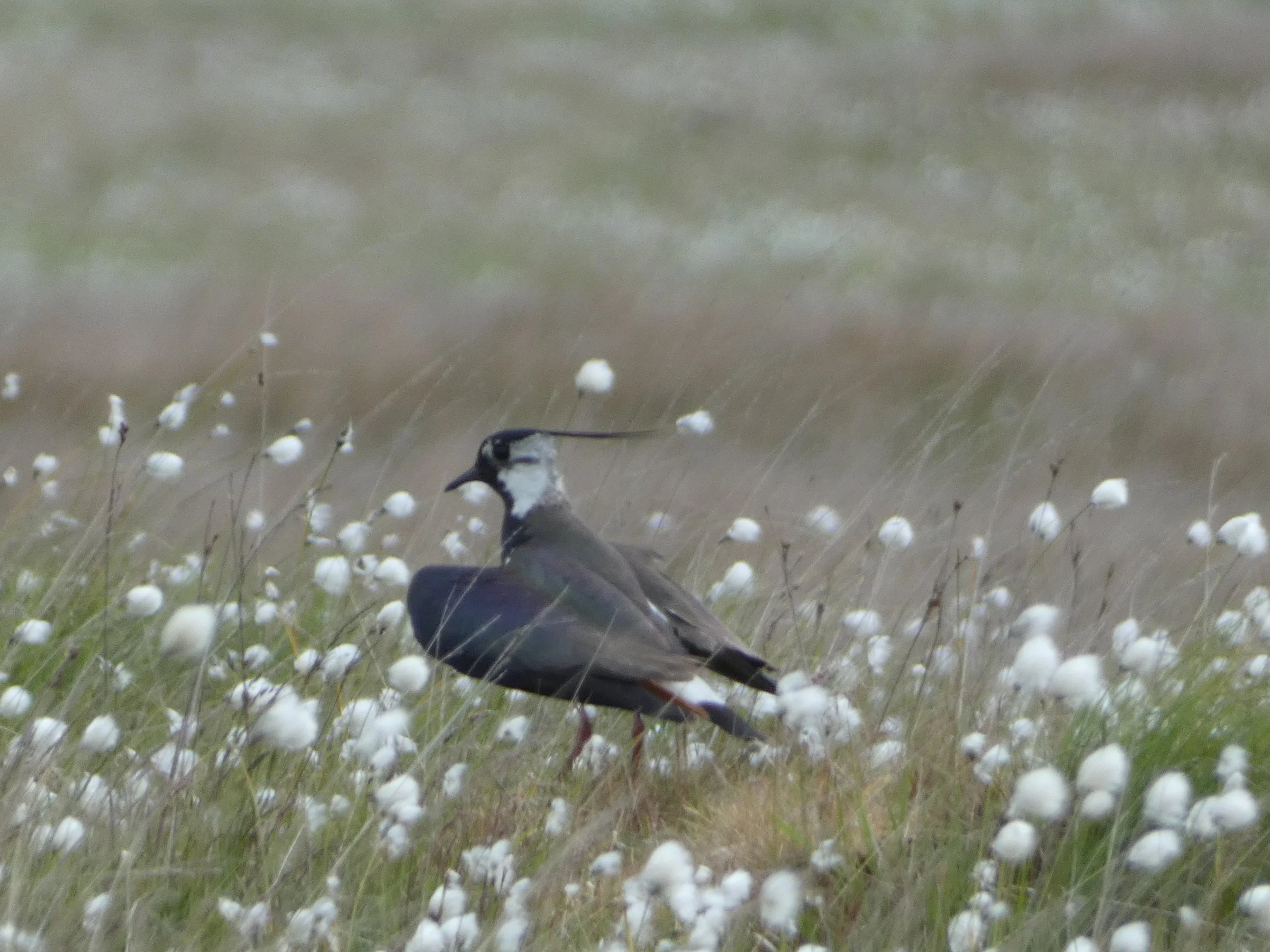
Photographs of selected bird sightings on and around the Walshaw Moor Estate near Hebden Bridge in Calderdale, West Yorkshire, from January - July 2026 taken by local birdwatchers.
Walshaw Moor is one of the most important breeding sites for ground-nesting birds in the UK, including large populations of Curlews, Lapwings, Golden Plovers and Skylarks, and significant numbers of Snipe, Oystercatchers, Northern Wheatear, Merlin and Short-Eared Owls. As well as being a Site of Special Scientific Interest, Walshaw Moor has been designated as a Special Area of Conservation and a Special Protection Area in recognition of its international significance for ground-nesting birds and raptors.
The Walshaw Moor Estate covers 9 square miles of moorland directly above the National Trust Estate of Hardcastle Crags, Crimsworth Dean, Haworth and Bronte Country. As well as Walshaw Moor itself, it also includes Walshaw Dean, Wadsworth Moor, Shackleton Moor and Widdop Moor.
A full list of recent bird sightings on and around Walshaw Moor can be found at the bottom of this page.
6 July 2026
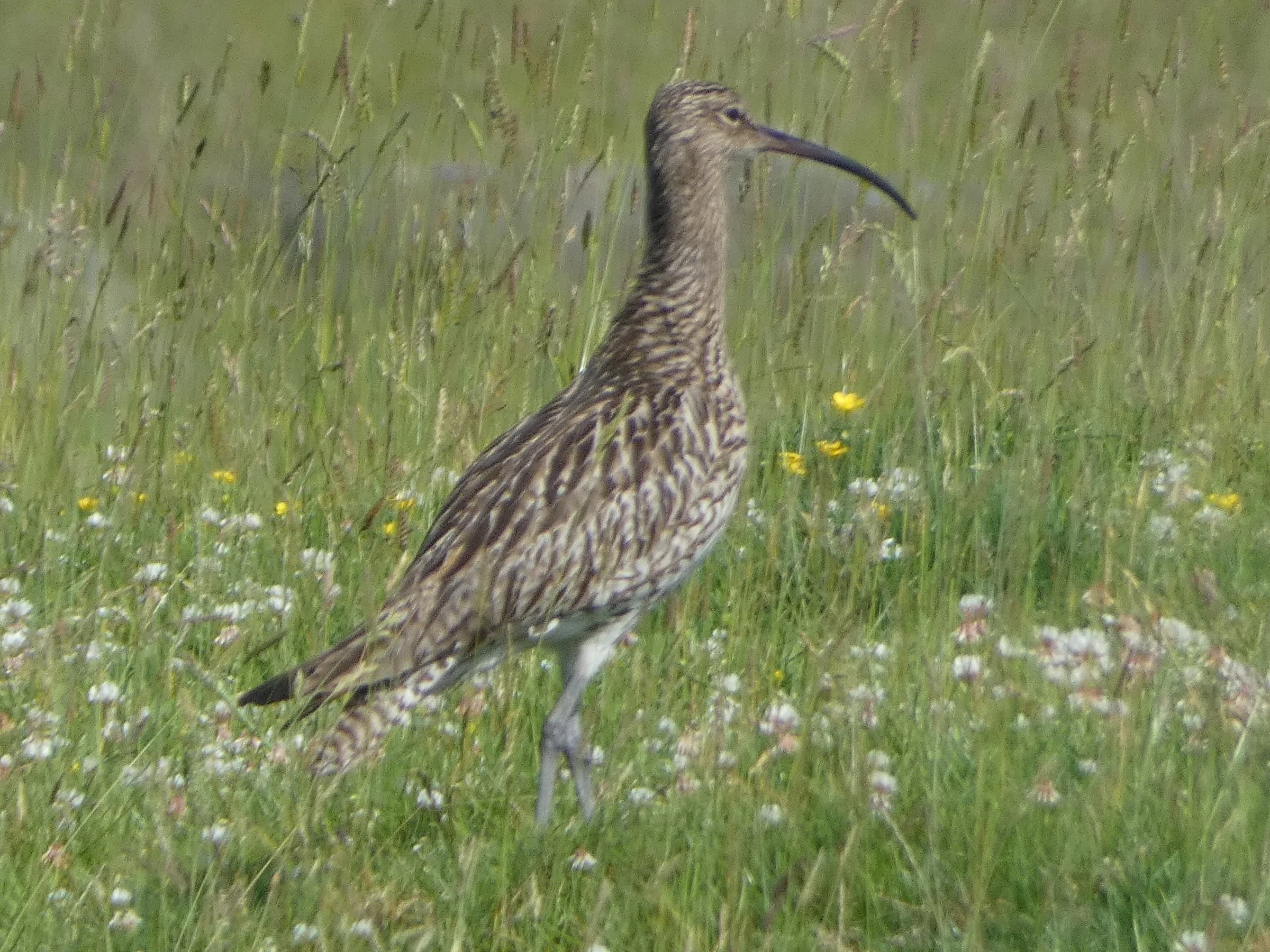
It’s been a remarkable breeding season for the large populations of Curlews and Lapwings that nest on Walshaw Moor. There seem to have been more birds than ever this year, and judging by the number of protective parents and growing chicks, it’s been a highly successful season. Walshaw Moor is a truly amazing place for wildlife. Let’s keep it that way.
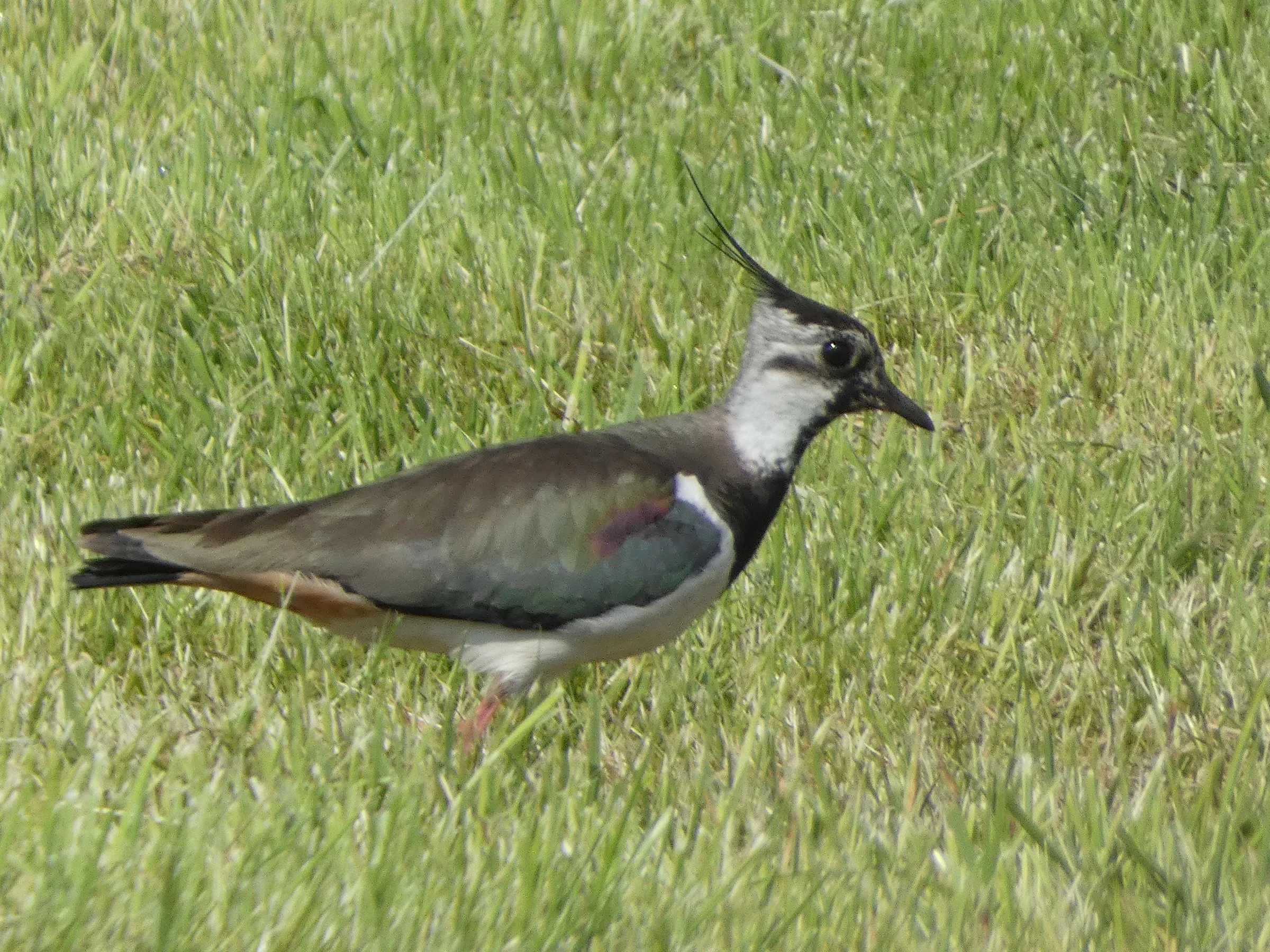
3 July 2026
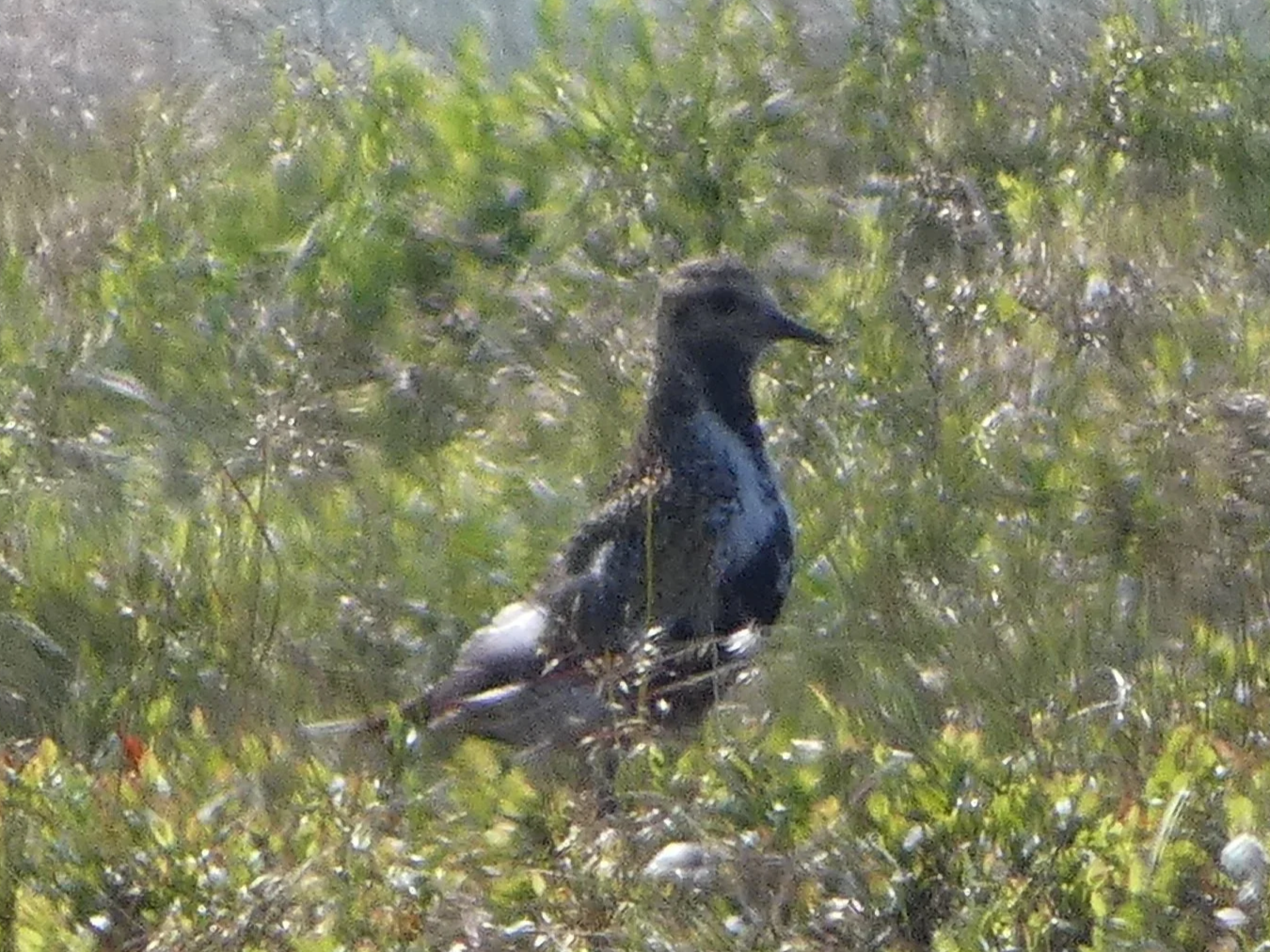
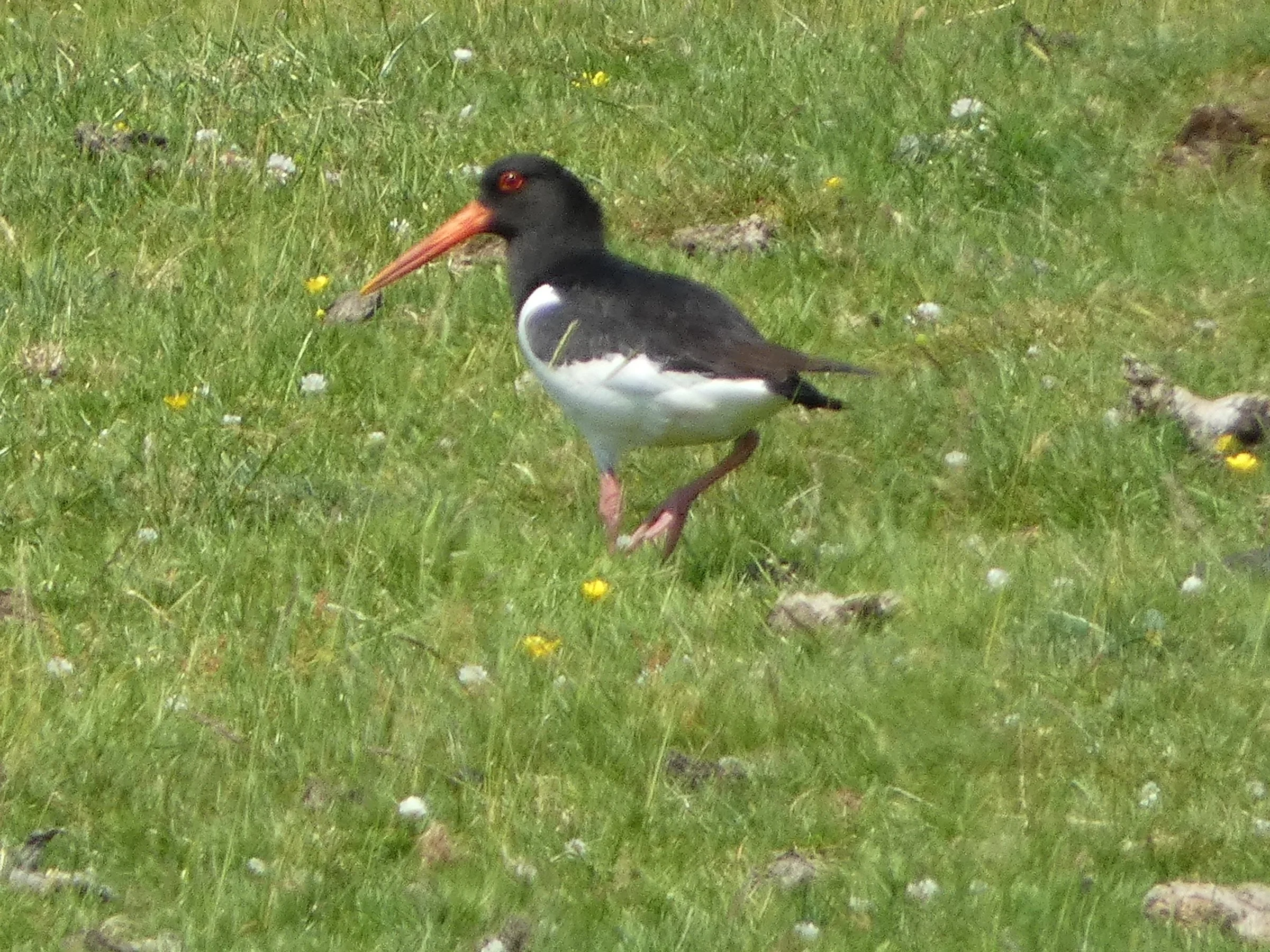
Golden Plovers breed in abundance on the highest parts of Walshaw Moor, but they’re much more discreet than Curlews and Lapwings and so well camouflaged that they’re difficult to spot. Oystercatchers, on the other hand, draw attention to themselves with their loud whistling calls and eye-catching red bills.
26 June 2026
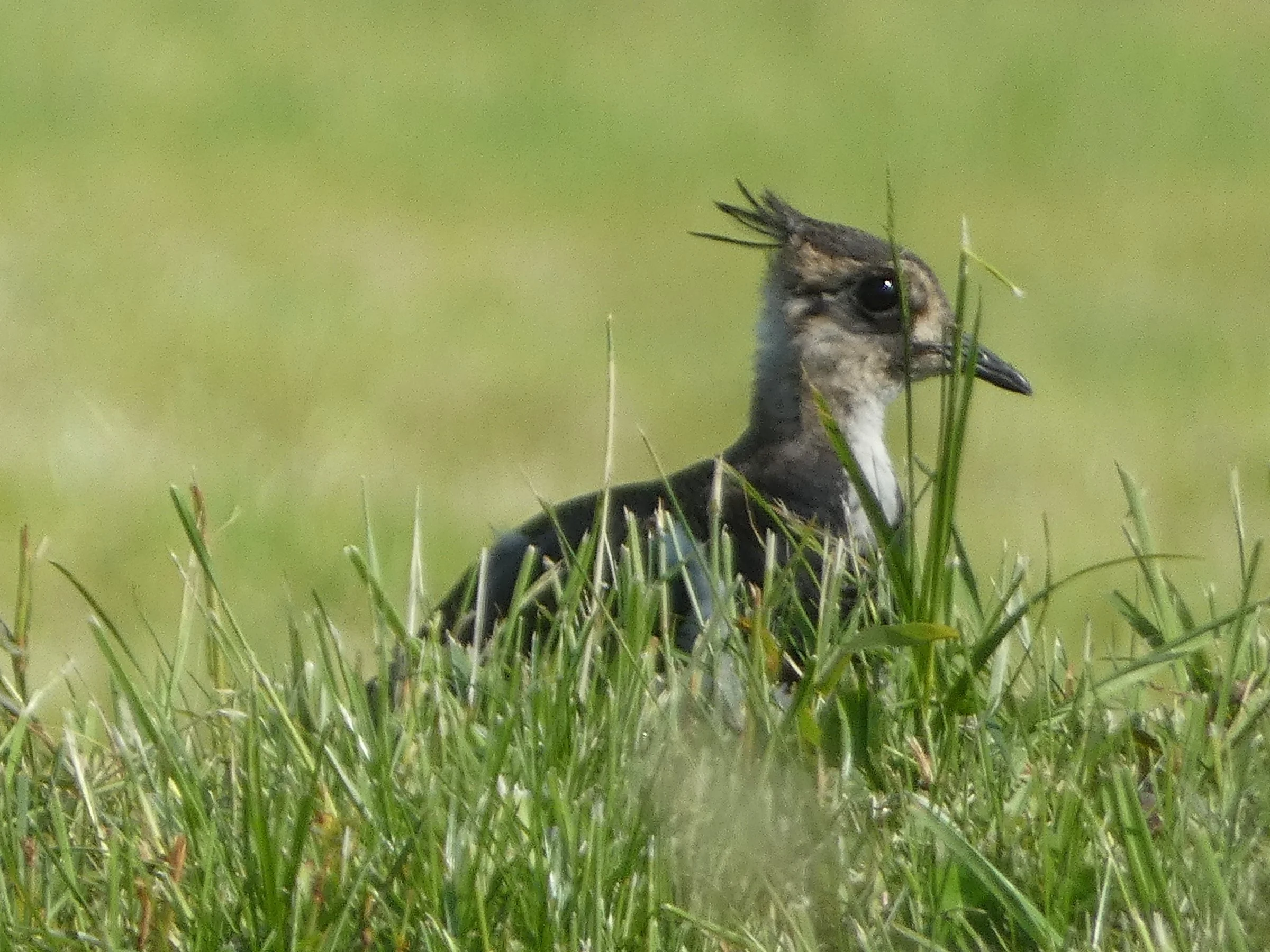
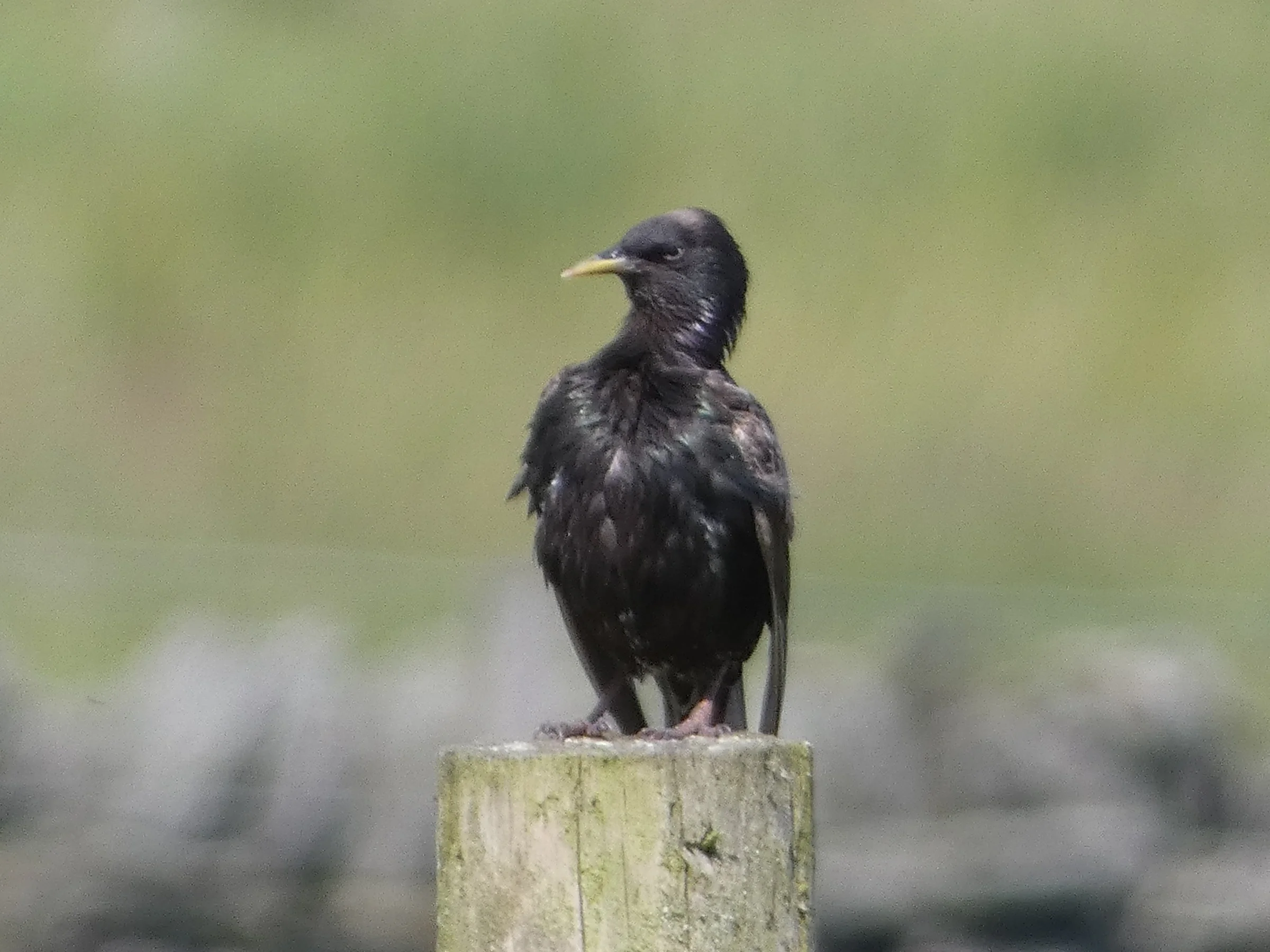
The Lapwing breeding season lasts for several months so there are still some younger chicks around on Walshaw Moor at the moment as well the juveniles. Fledgling Starlings are also very much in evidence, grazing on the rough pasture on the fringes of Walshaw Moor.
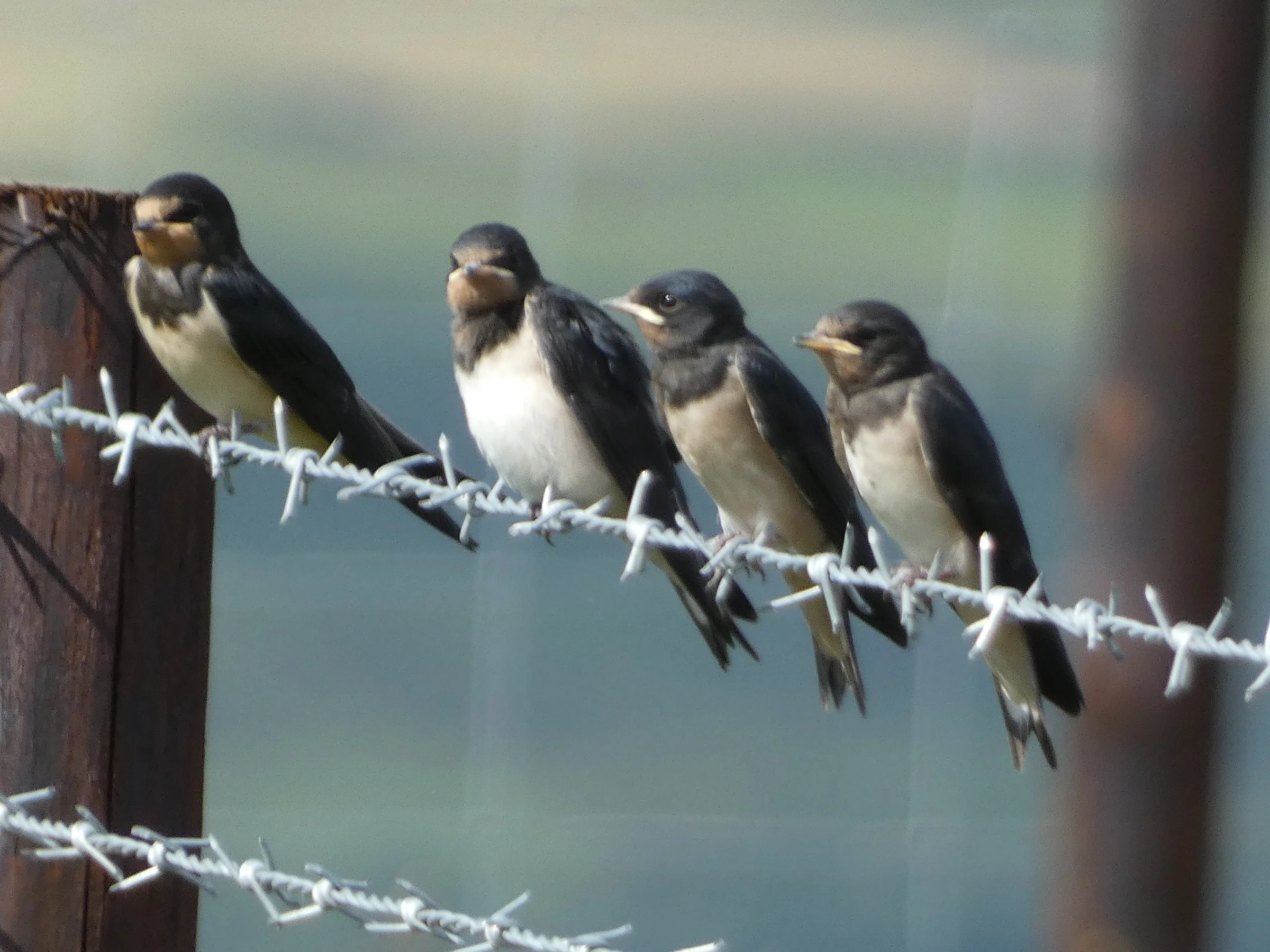
24 June 2026
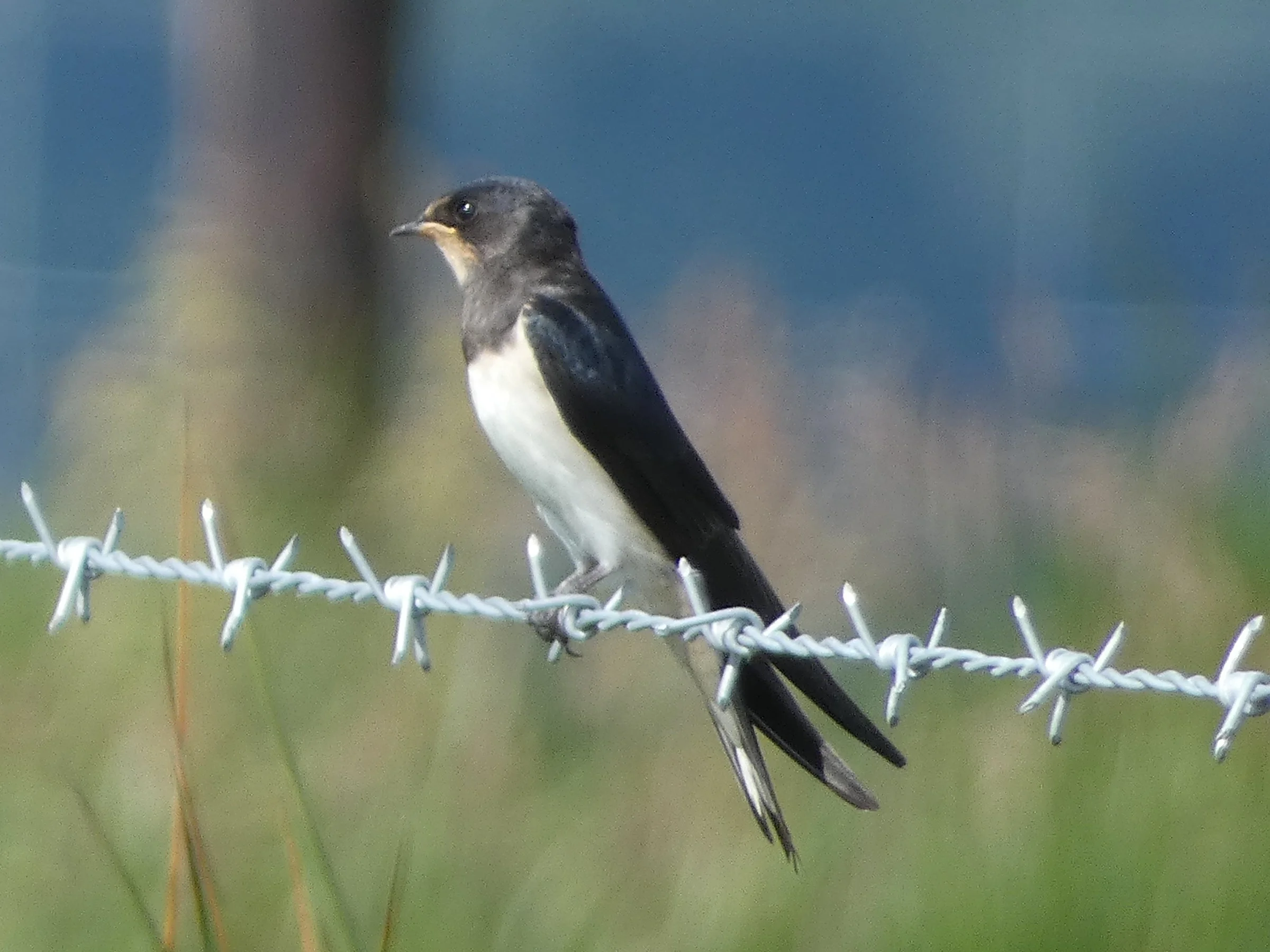
Fledgling Swallows on the edge of Walshaw Moor. The rich insect life on the moor and around the reservoirs provides nourishment for the young chicks.
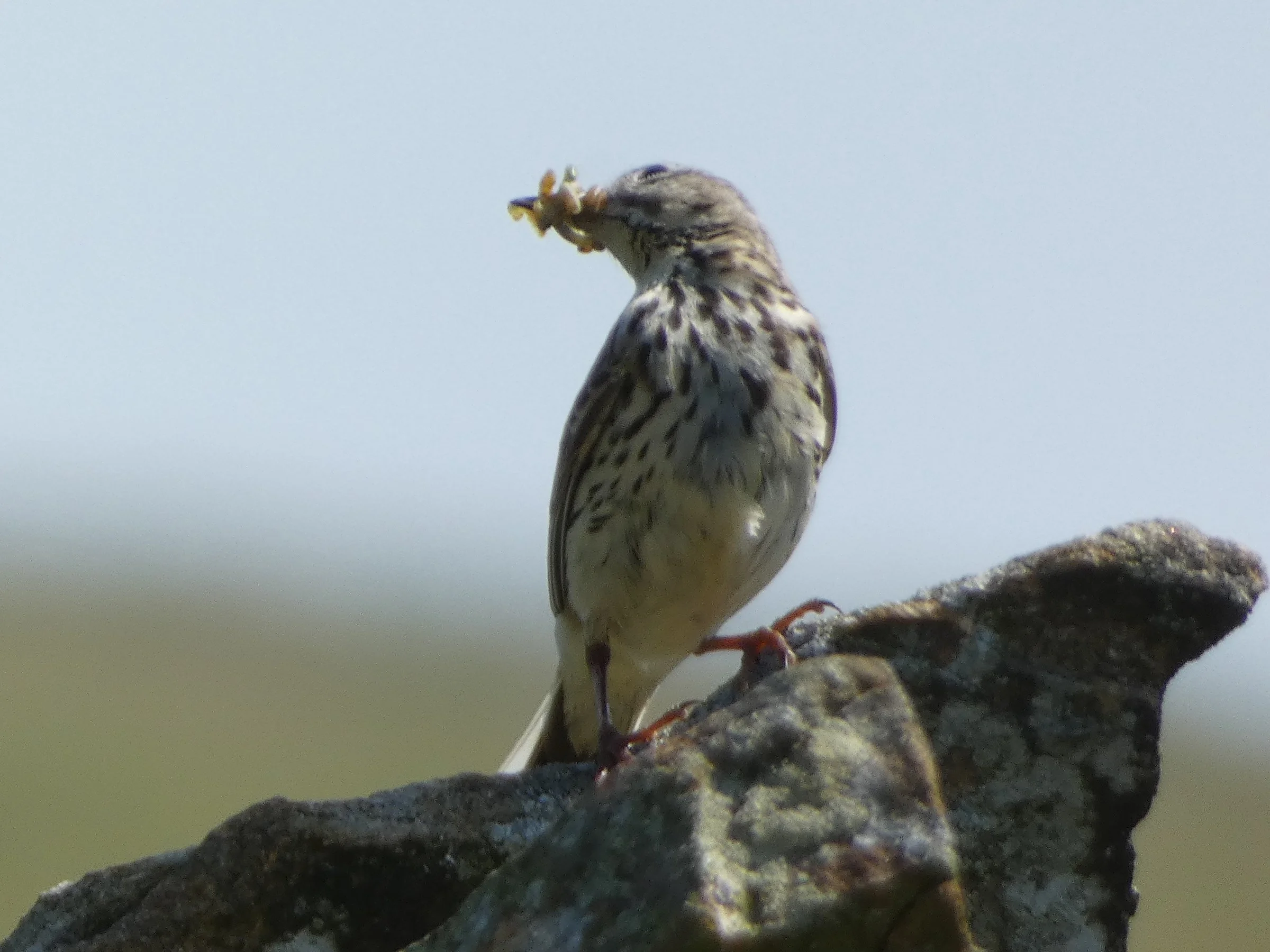
23 June 2026
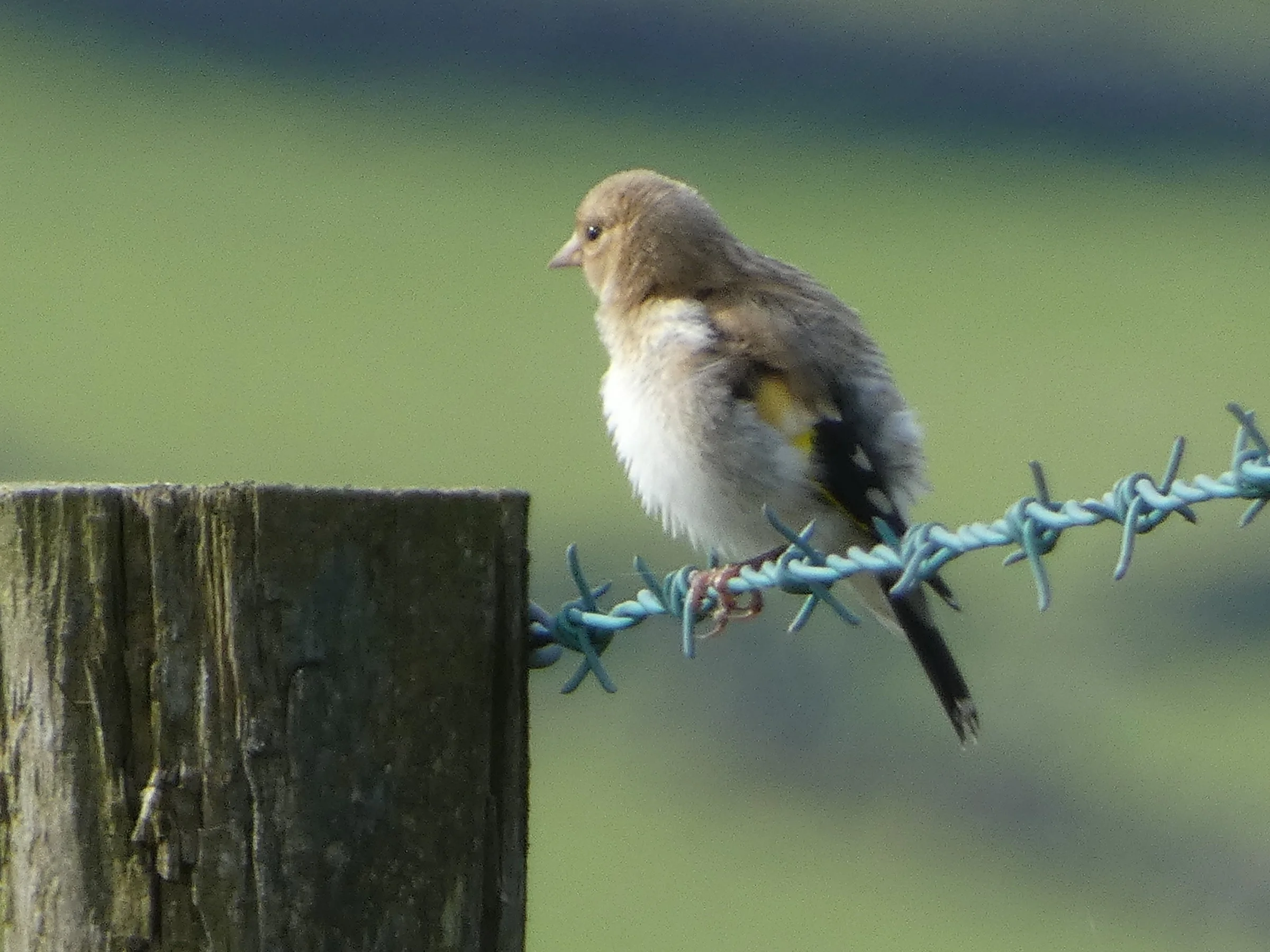
Fledgling Goldfinch and Meadow Pipit on the edge of Walshaw Moor. Both these birds thrive on the fringes of the moor, where seeds and insects are in abundance.
20 June 2026
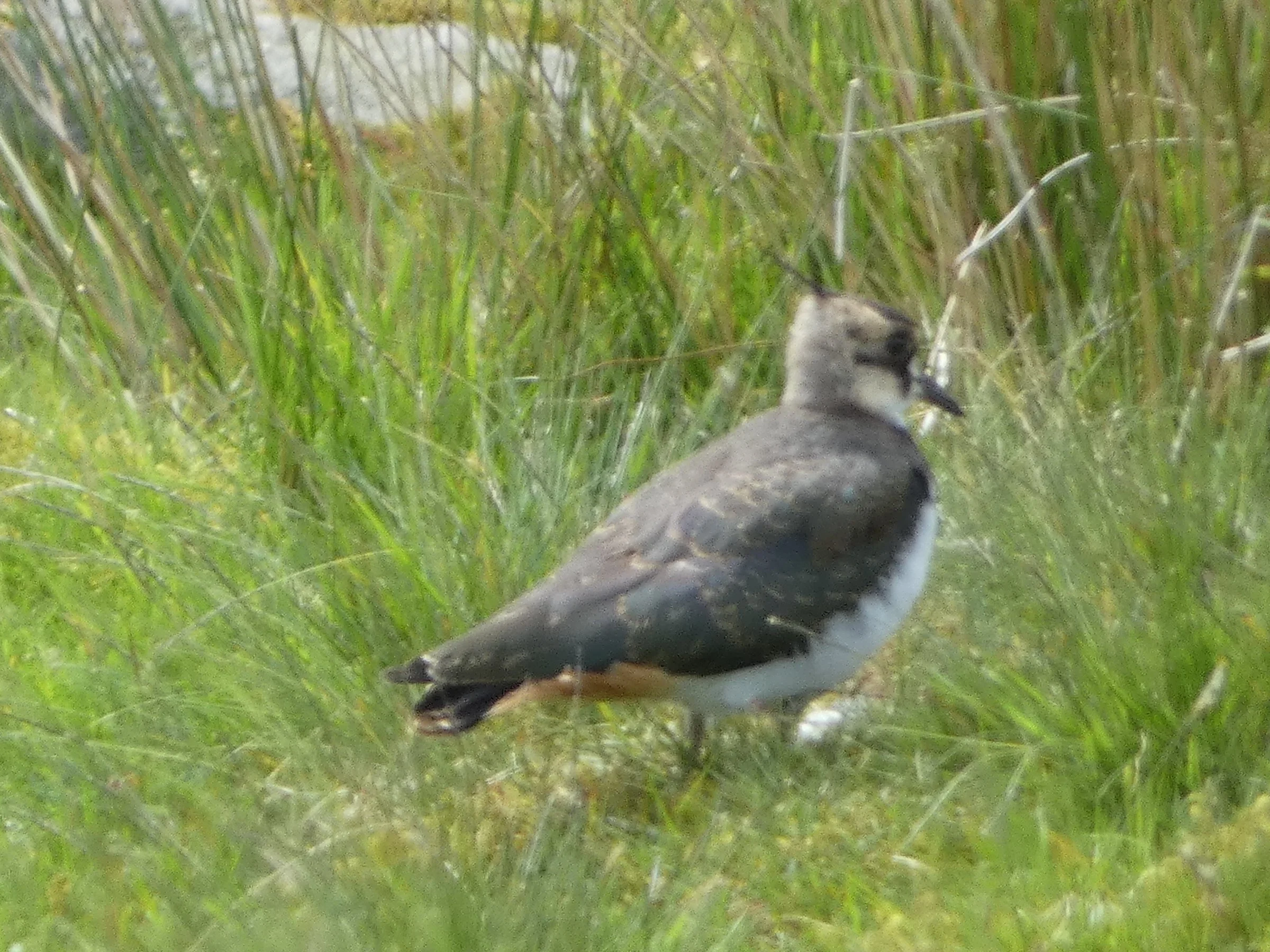
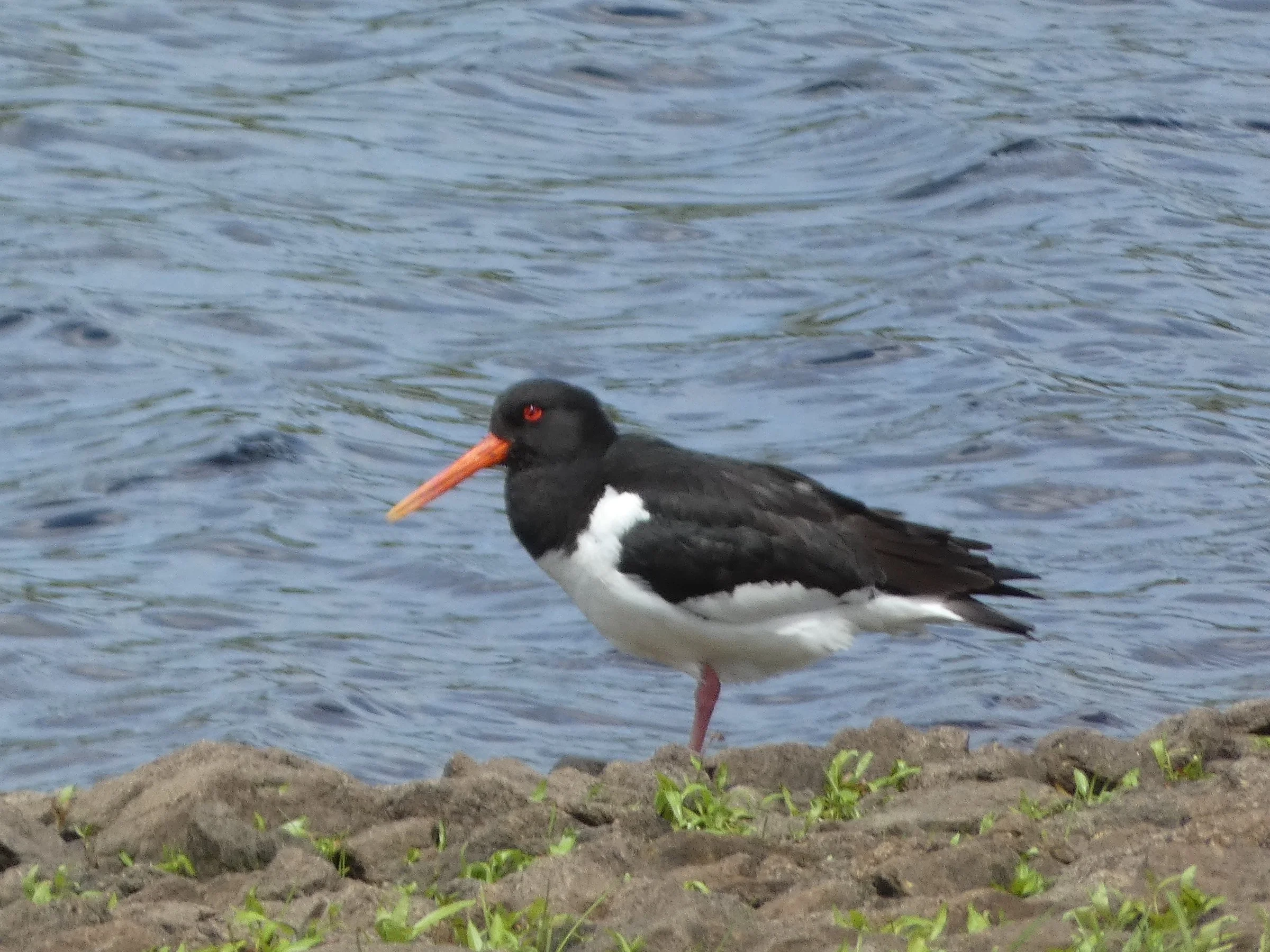
Lapwing chick in Walshaw Dean and Oystercatcher cooling down from the heatwave on Lower Walshaw Dean Reservoir.
19 June 2026
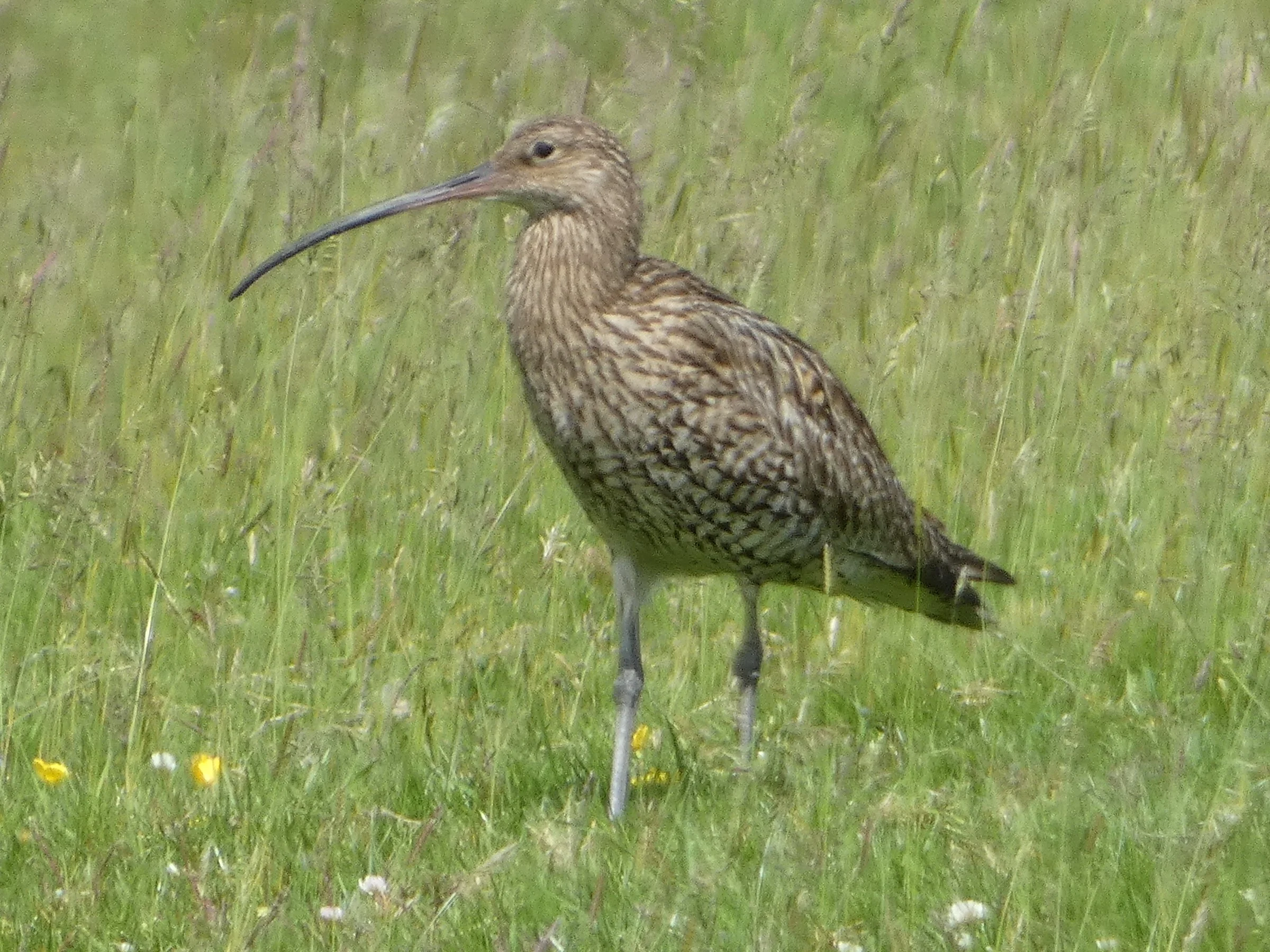
The unmistakable profile of a Curlew in flight and on the ground on Walshaw Moor above Crimsworth Dean, one of their strongholds.
18 June 2026
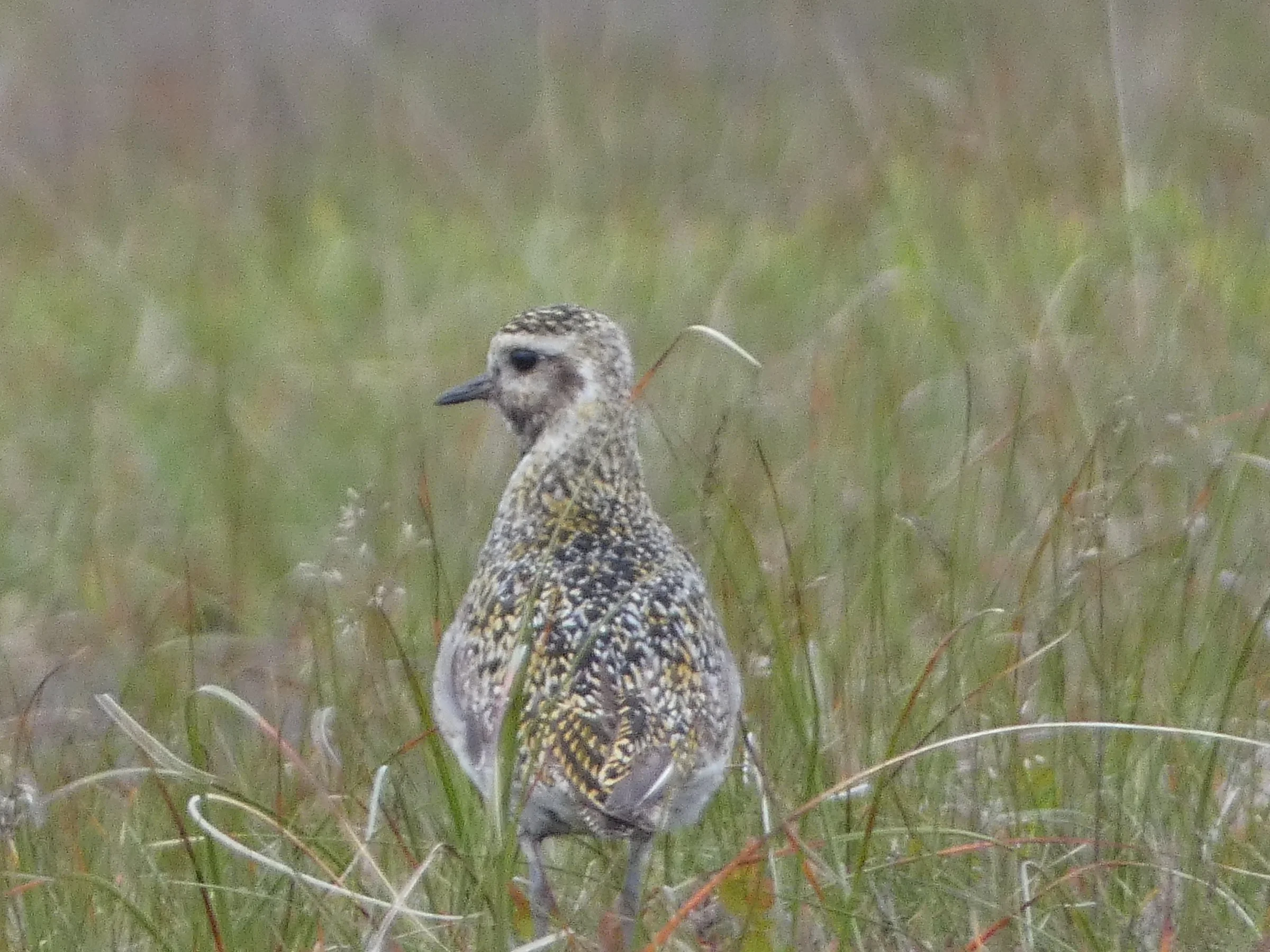
Golden Plover chicks communicate with each other and with their parents with a peeping sound. These young birds were photographed this morning high up on Walshaw Moor, not far from where the Haworth Old Road crosses over towards Oxenhope.
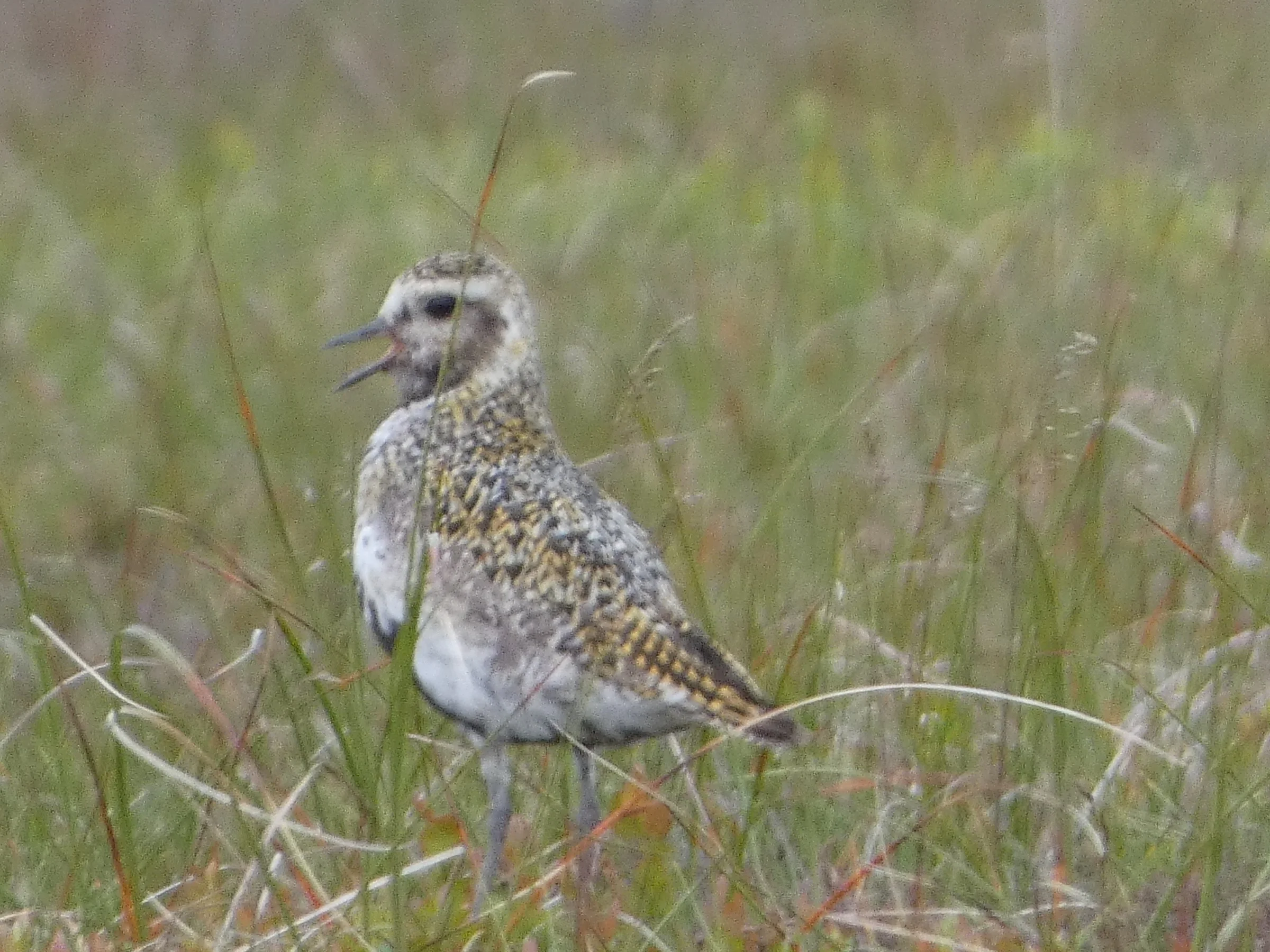
17 June 2026
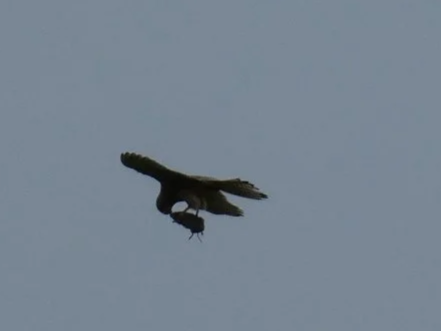
Many different birds of prey hunt on Walshaw Moor as there are rich rodent pickings to be found amongst the moorland vegetation. This appears to be a Sparrowhawk carrying a mouse or vole back to its nest to feed its chicks. It was photographed on Walshaw Moor above Crimsworth Dean, where the the juvenile Lapwings are growing fast and developing their crests.
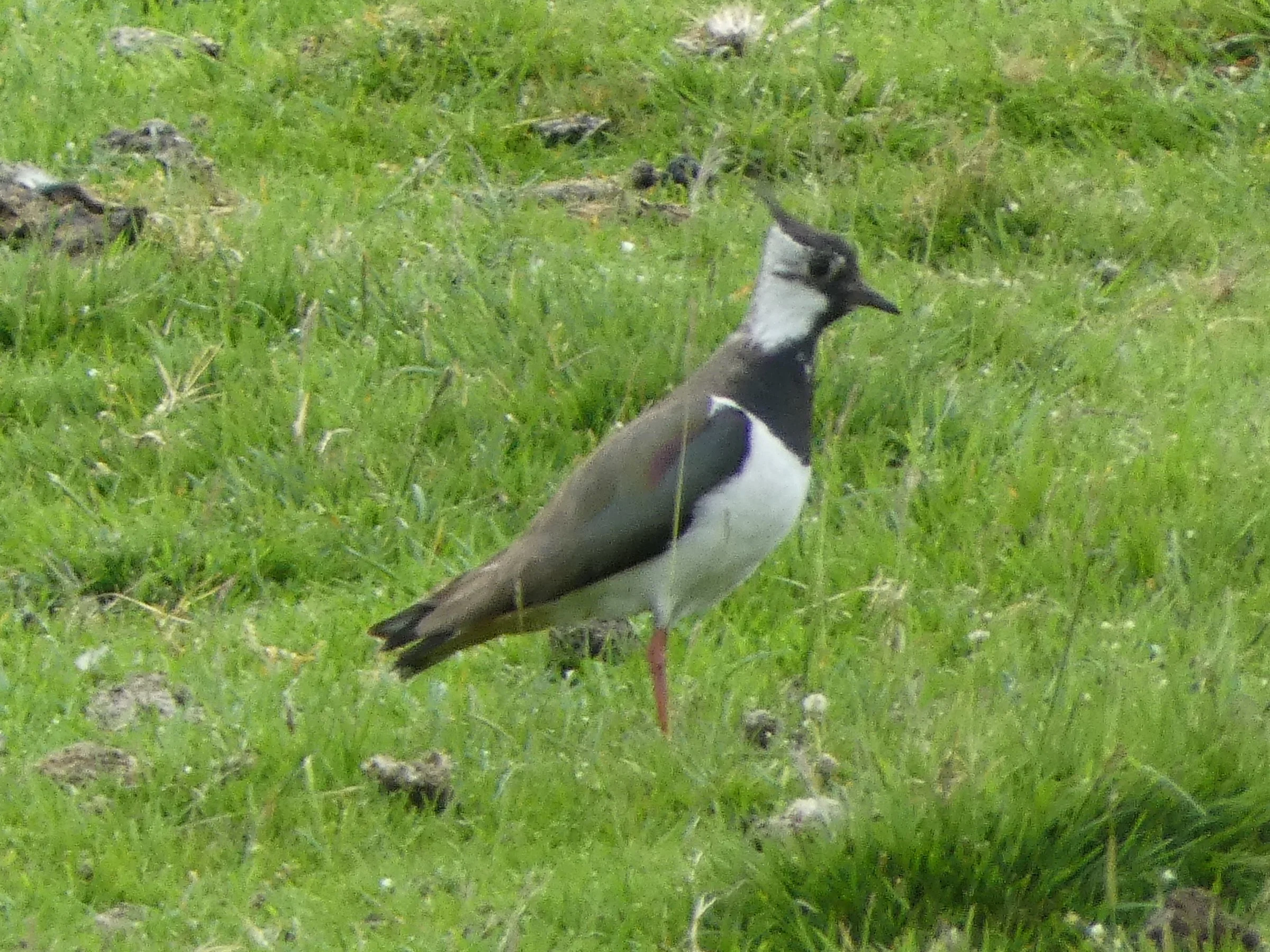
16 June 2026
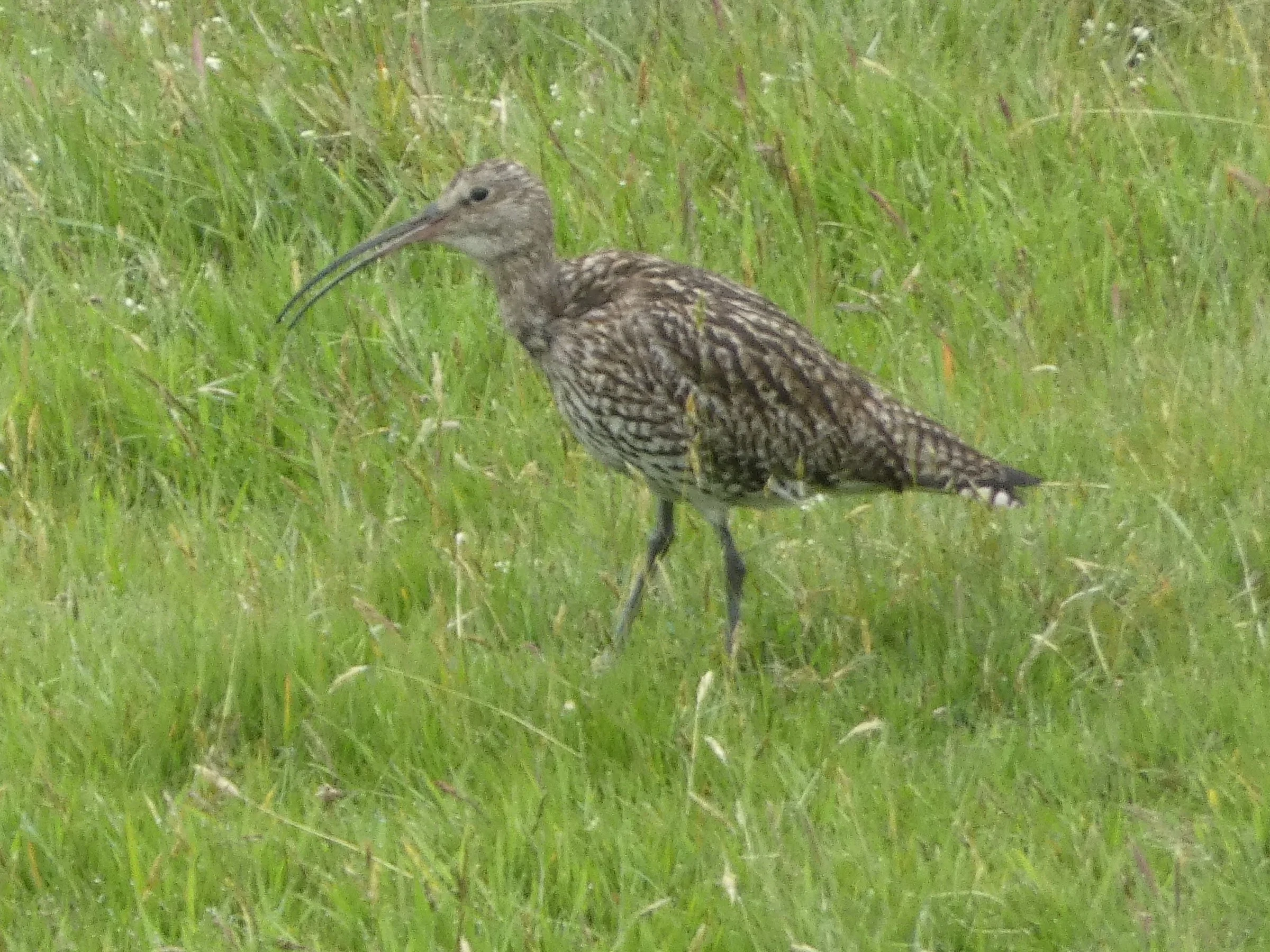
The Curlews were out in force this morning on Walshaw Moor in one of their favourite spots above Crimsworth Dean. BBC Springwatch last week highlighted the demise of Curlews in Northern Ireland and many other parts of the UK, but here on Walshaw Moor these birds are breeding in huge numbers, which is why this site is a Special Protection Area. It would be complete madness to build a wind farm in one of the few places they are thriving.
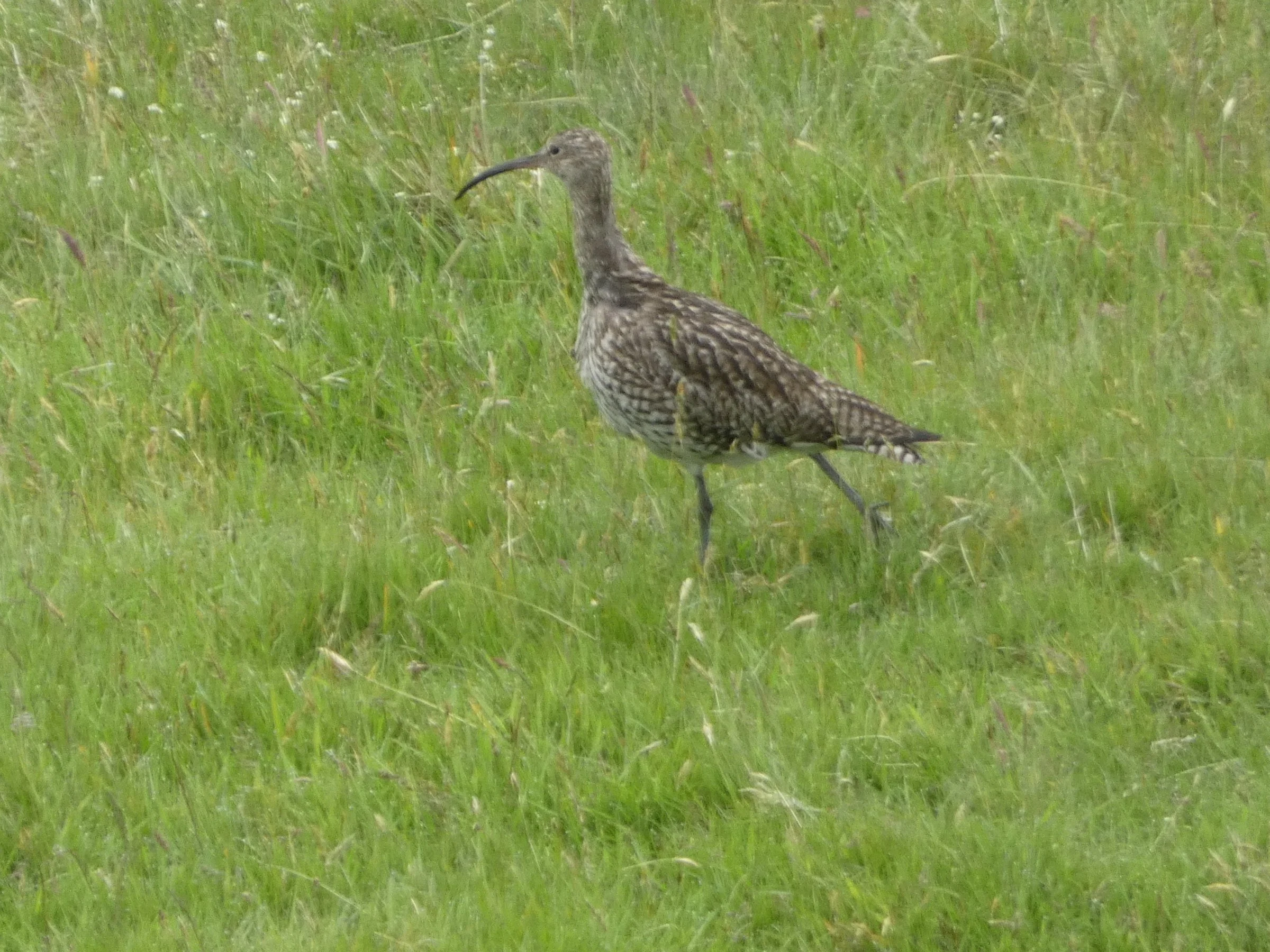
14 June 2026
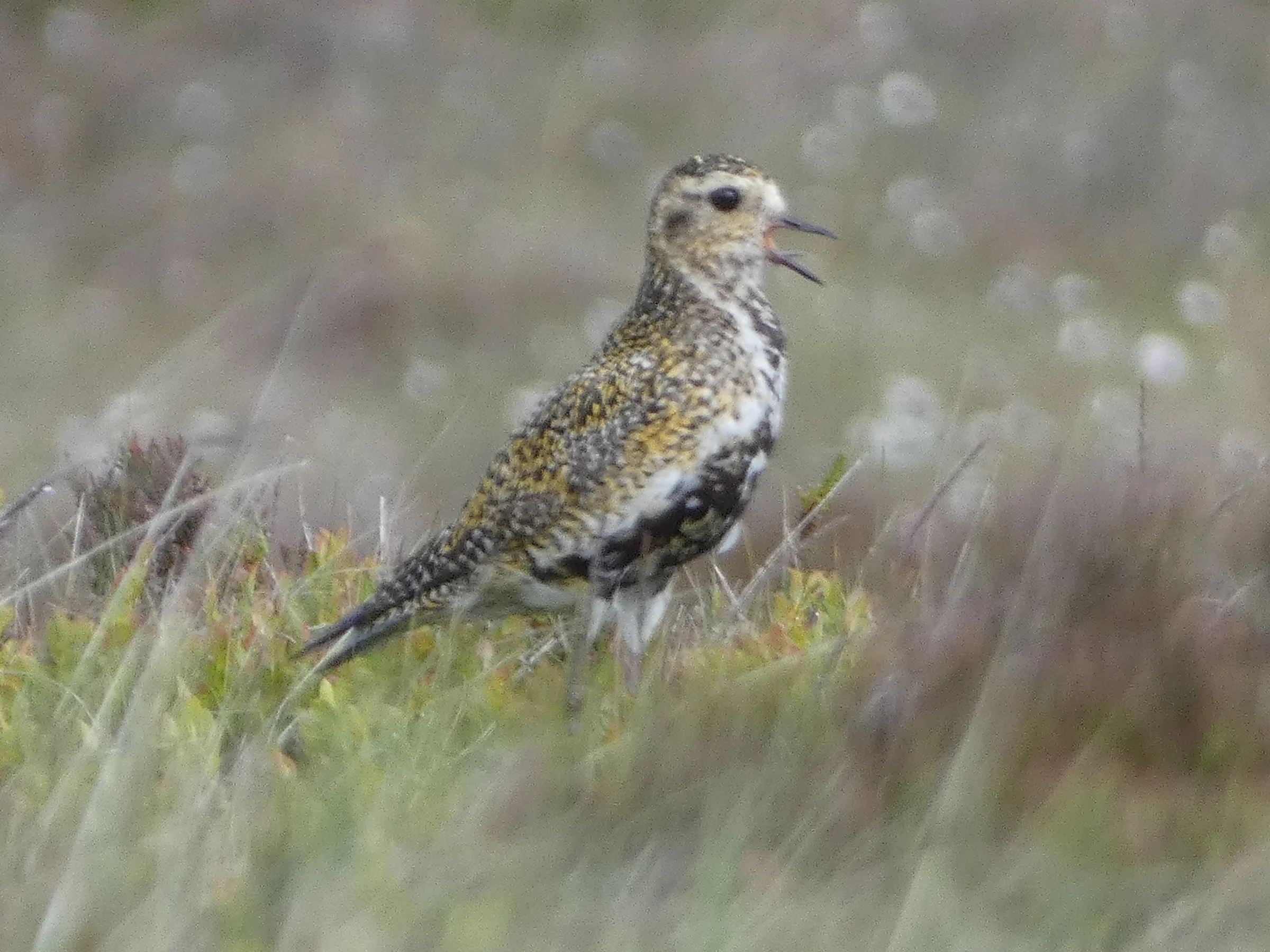
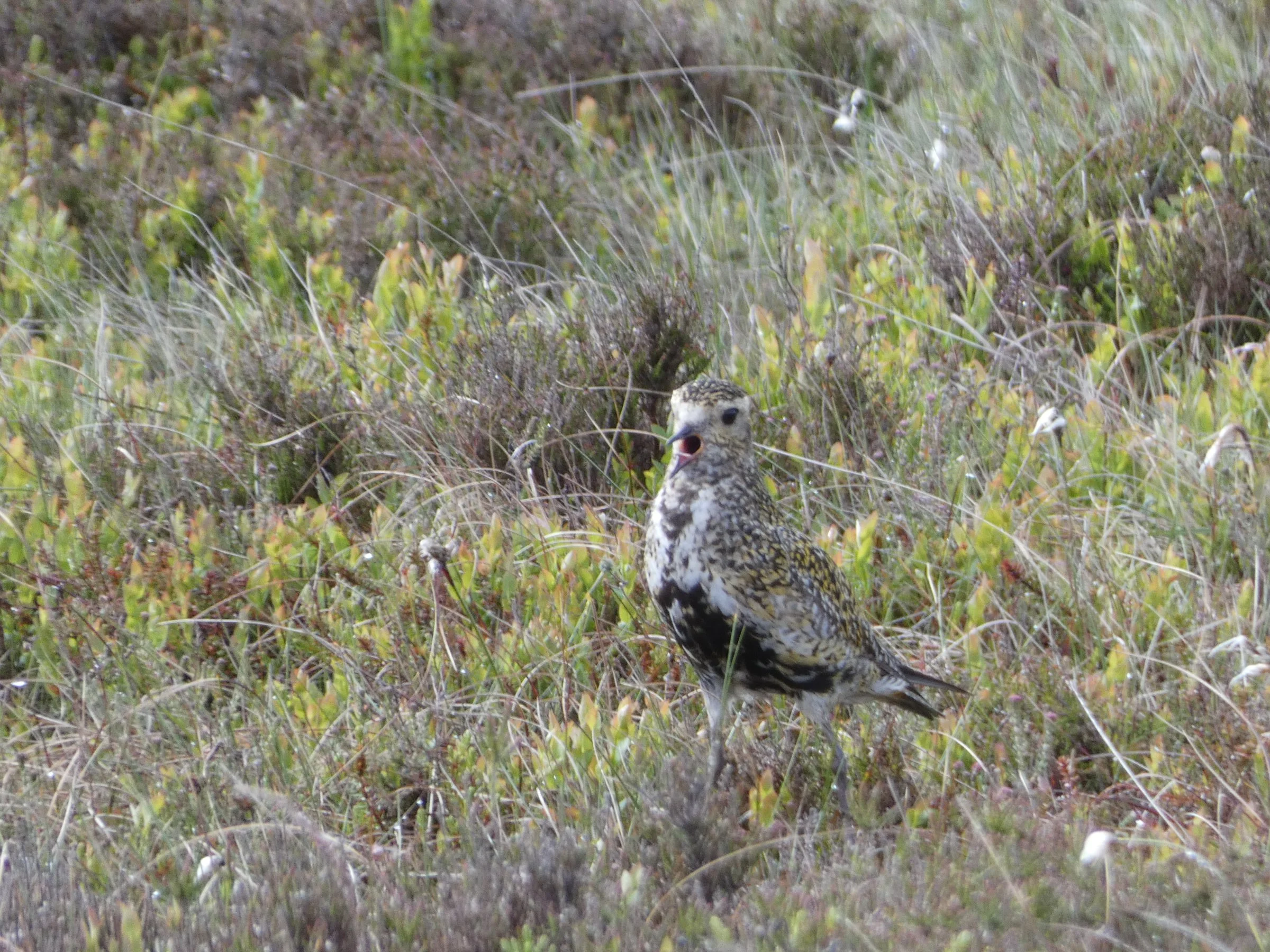
To see and hear Golden Plovers making their plaintive peeping calls amongst the heather and bog cotton on Walshaw Moor is one of the highlights of the spring. It is a great privilege to be able to observe them close up through a zoom lens and to marvel at their beautiful plumage. Walshaw Moor has a higher density of breeding Golden Plovers than almost anywhere else in Britain, which is why it is rightly designated as a Special Protection Area.
10 June 2026
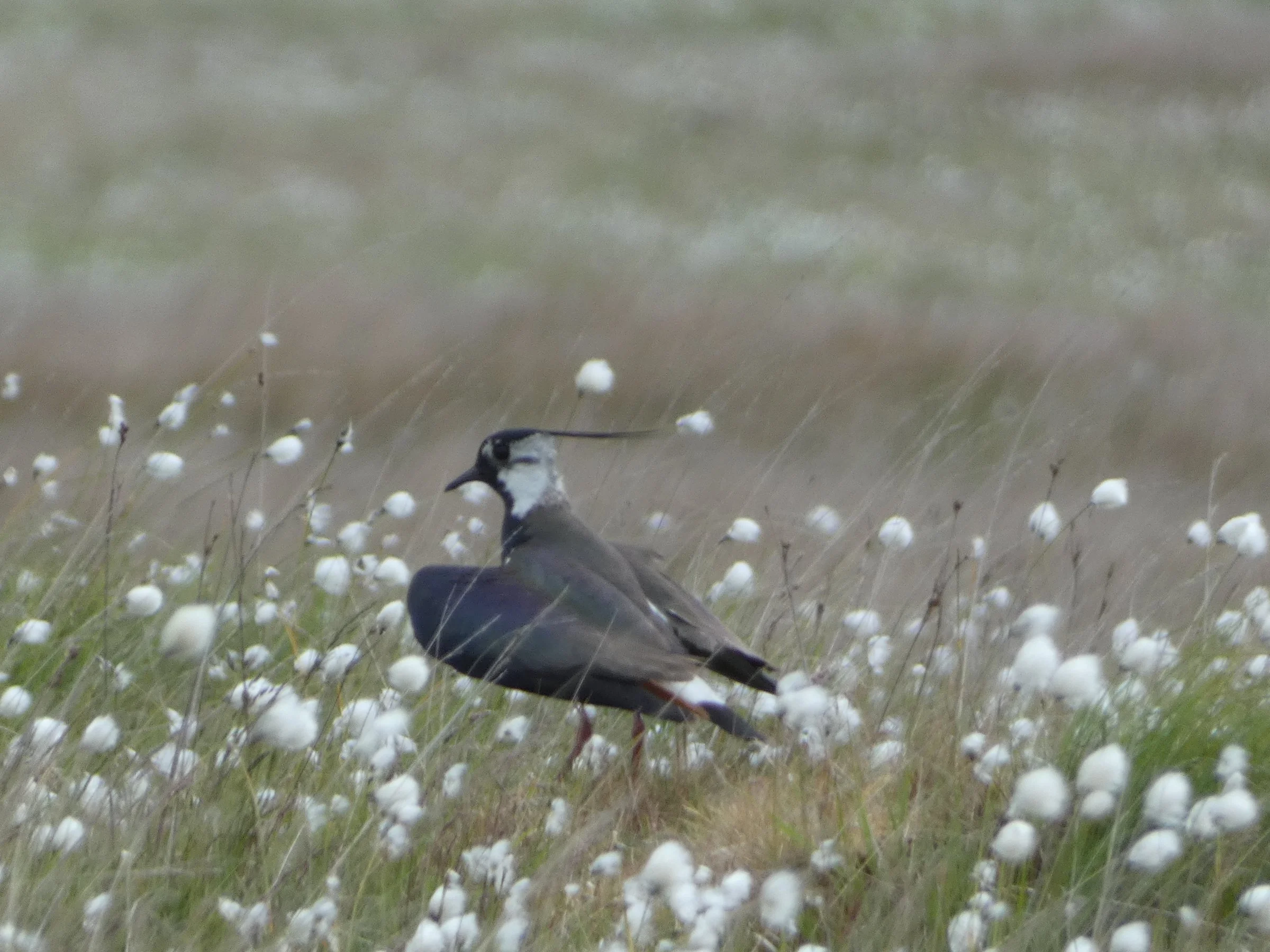
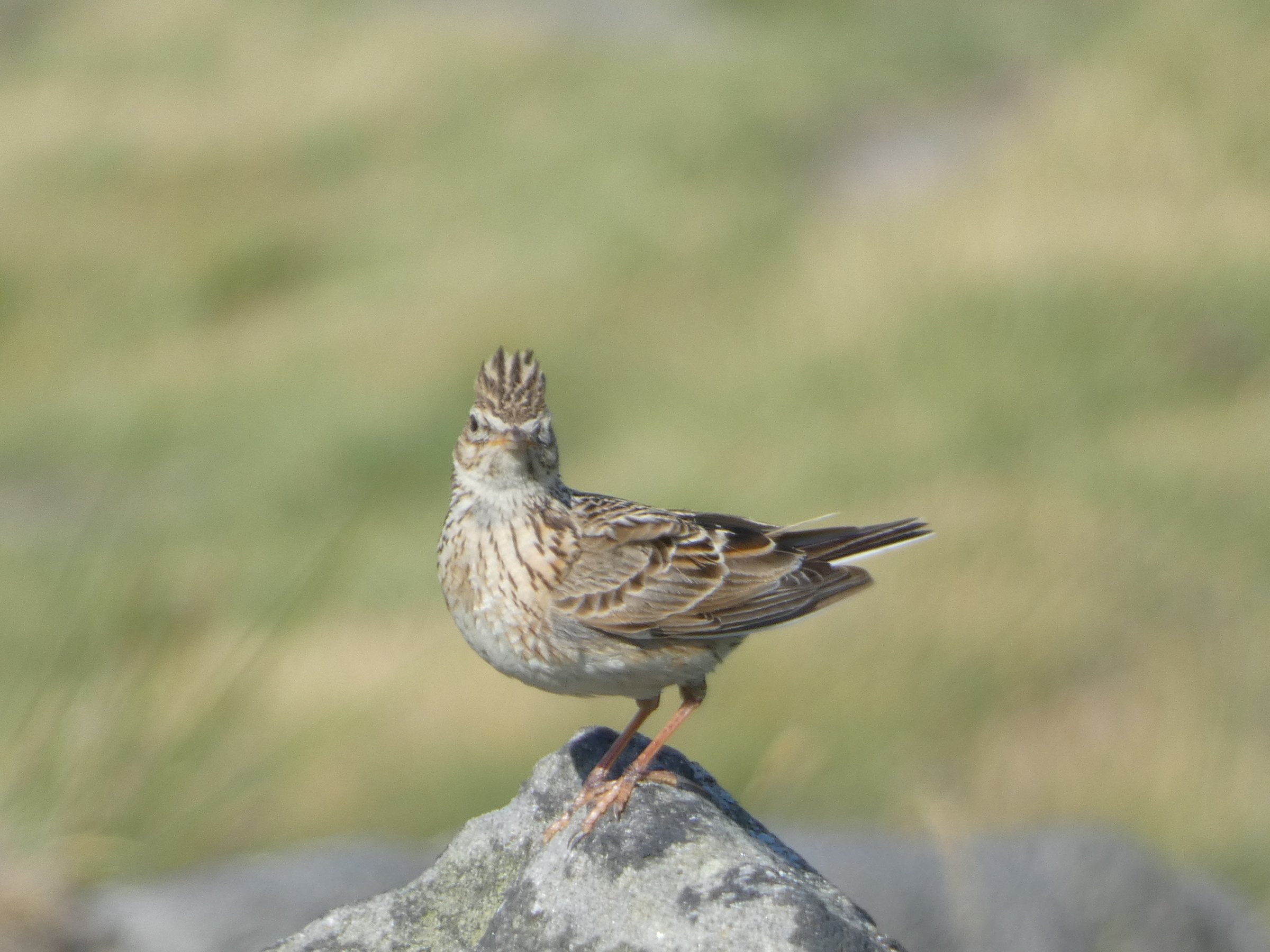
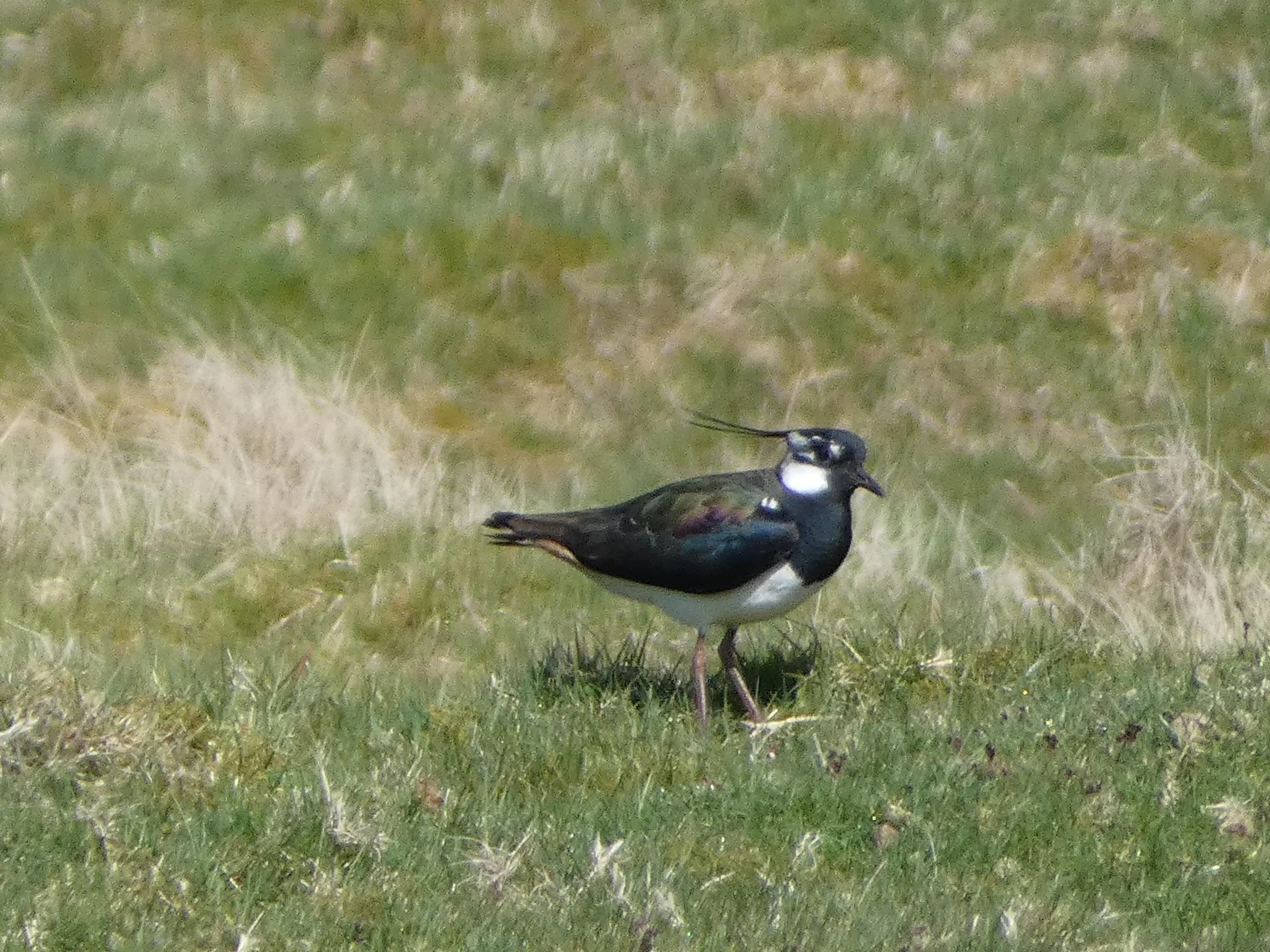
In the air Lapwings seem quite stocky in physique and almost clumsy with their erratic flight patterns, but on the ground they appear much leaner and lighter nd reveal their elegant dainty crest. Lapwings are found in abundance all over Walshaw Moor, along with Skylarks, a small ground-nesting which only raises its crest intermittently, such as when alarmed.
8 June 2026
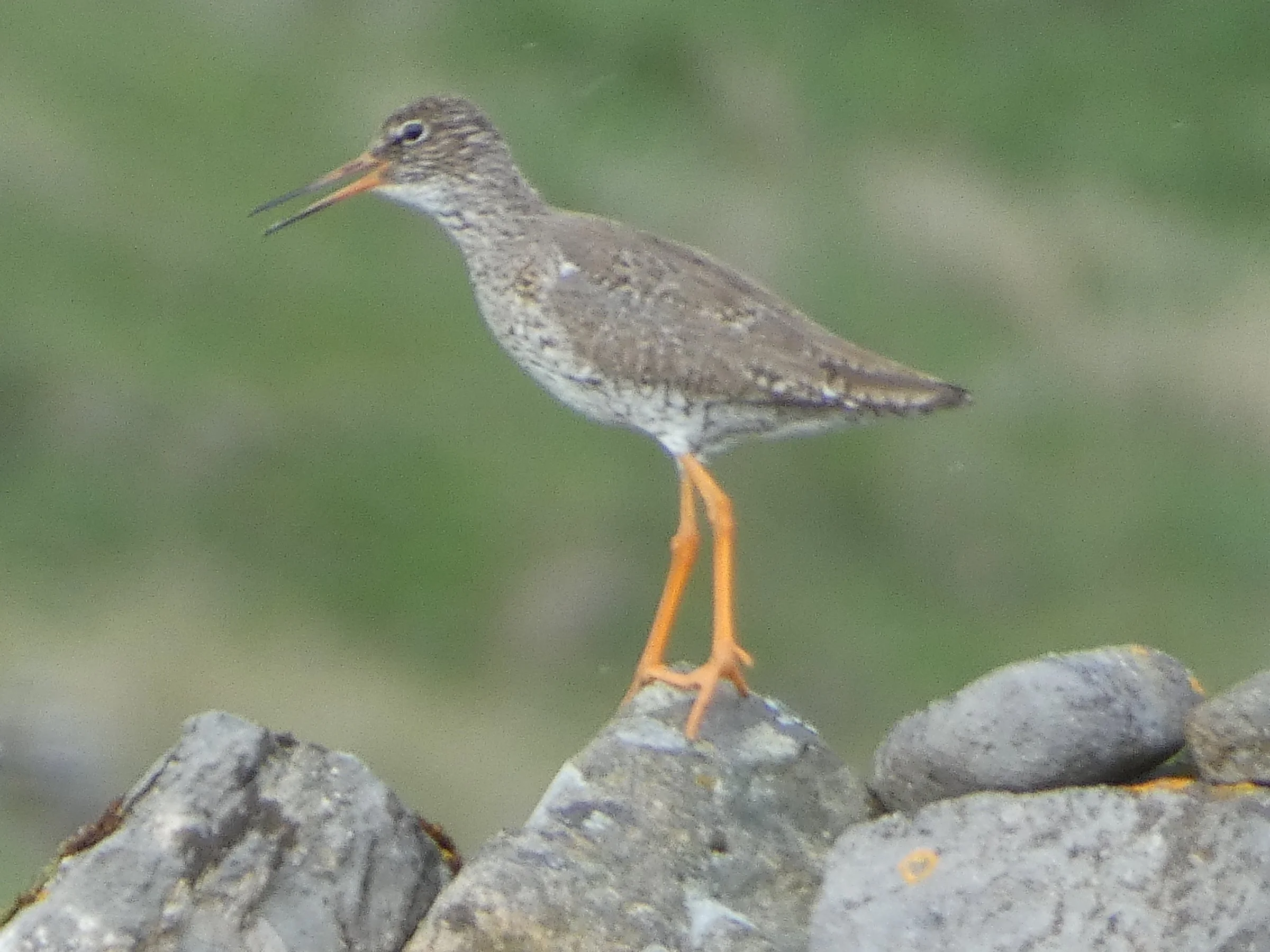
Redshanks are another species of wader which breed on Walshaw Moor. Note their distinctive long orange legs and long straight beak. Like Curlews and Lapwings their population numbers have greatly declined in other parts of the UK in recent years, so moorland breeding sites are crucial for their survival.
6 June 2026
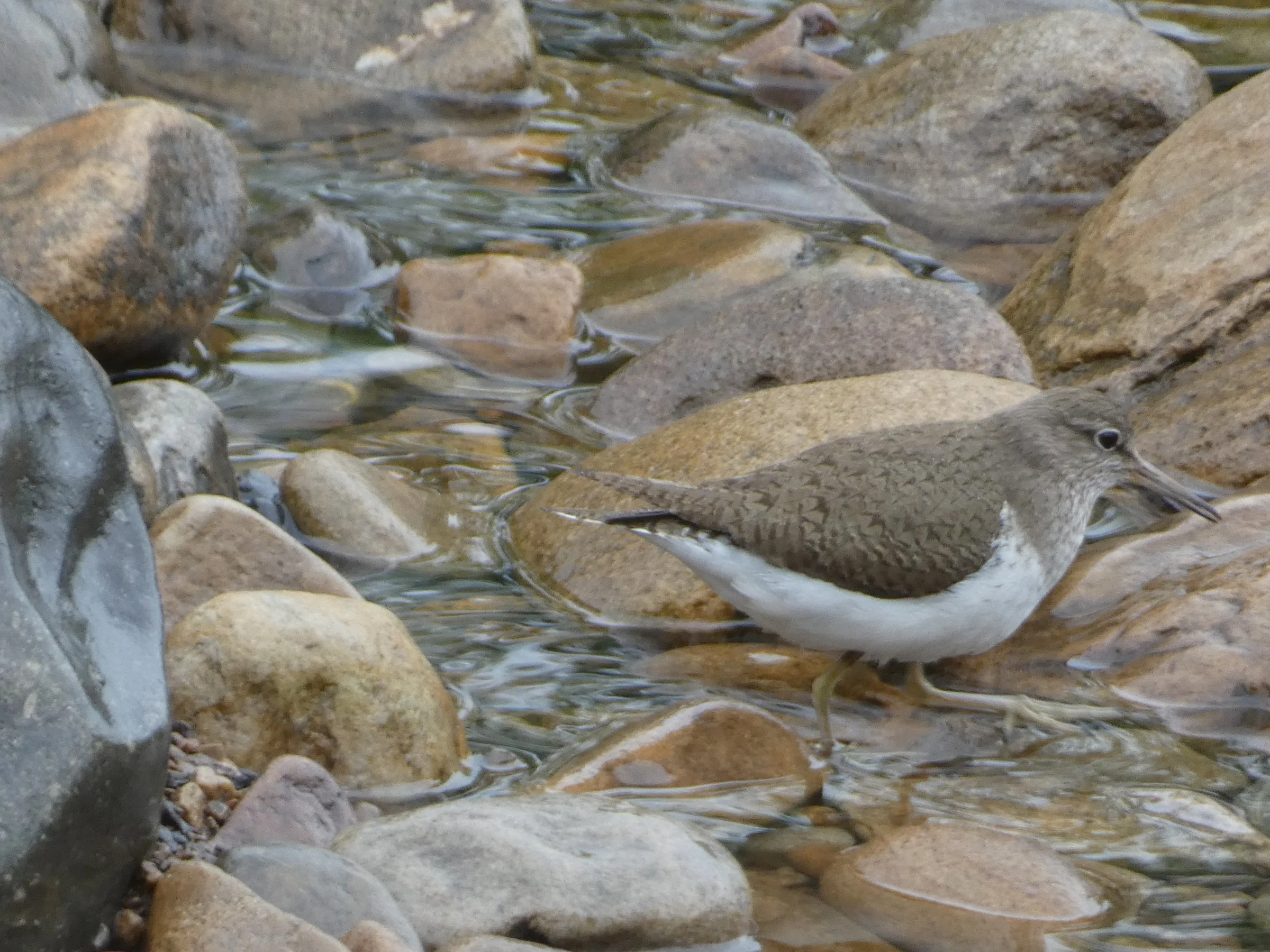
Sandpipers are often seen on and around the three reservoirs in Walshaw Dean, right in the heart of the Walshaw Moor Estate Although known as Common Sandpipers, they are much less common than they used to be and are on the RSPB’s Amber Conservation list. Red-listed Lapwings and Curlews are even more highly endangered.
1 June 2026
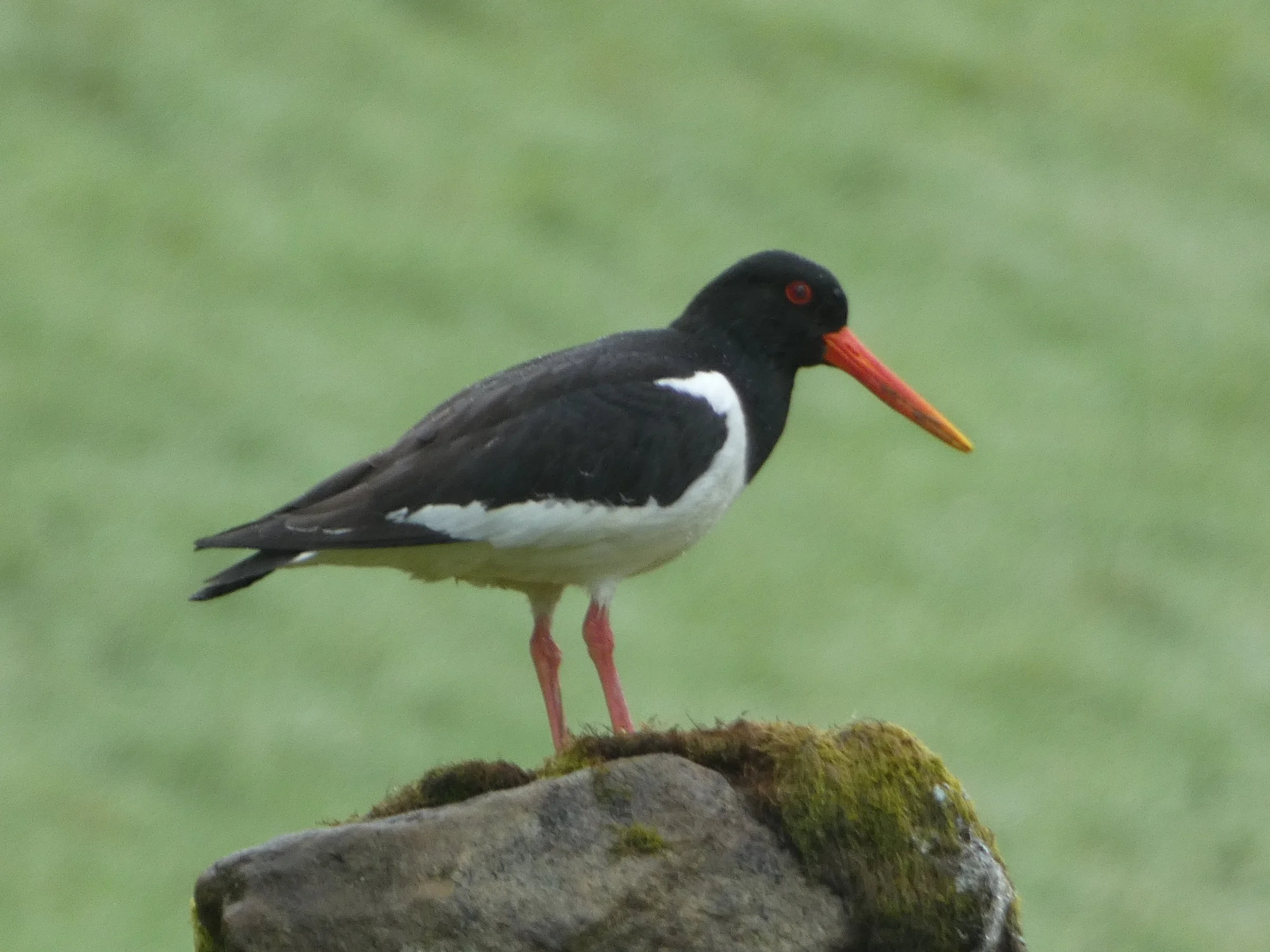
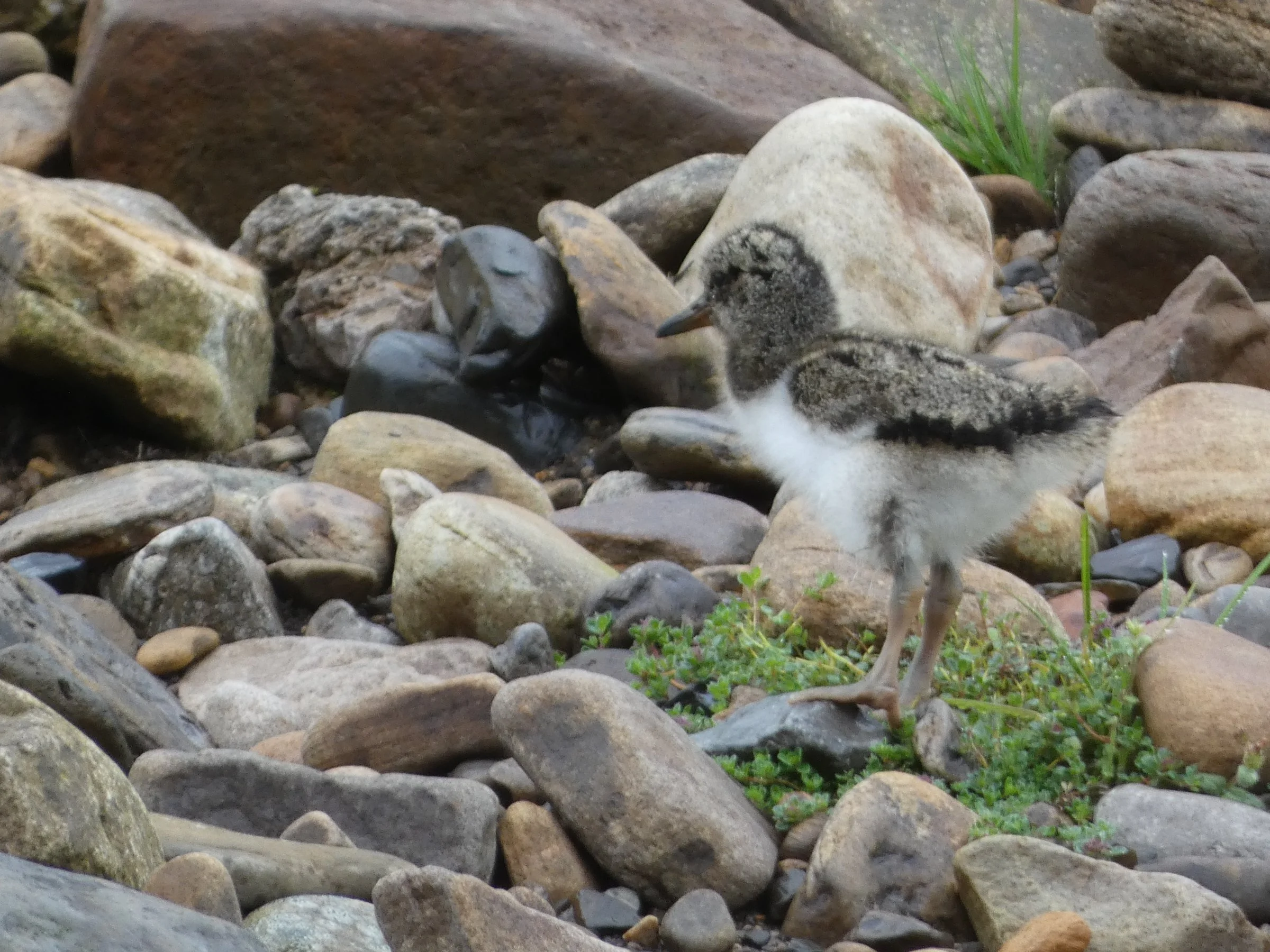
Oystercatchers nest in various locations on Walshaw Moor. Although primarily associated with estuaries and rivers, boggy moorland such as that at Walshaw is another of their favoured breeding habitats. Their chicks have shorter beaks with just a hint of red.
26 May 2026
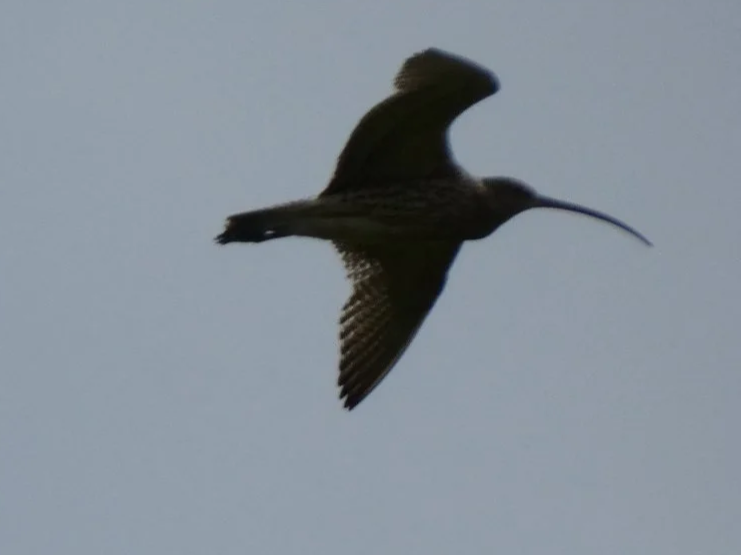
The unmistakable silhouette of a Curlew circling around above Walshaw Moor. The melodious calls are now replaced by alarm cries as it seeks to deter predators from finding its chicks in the moorland grass below.
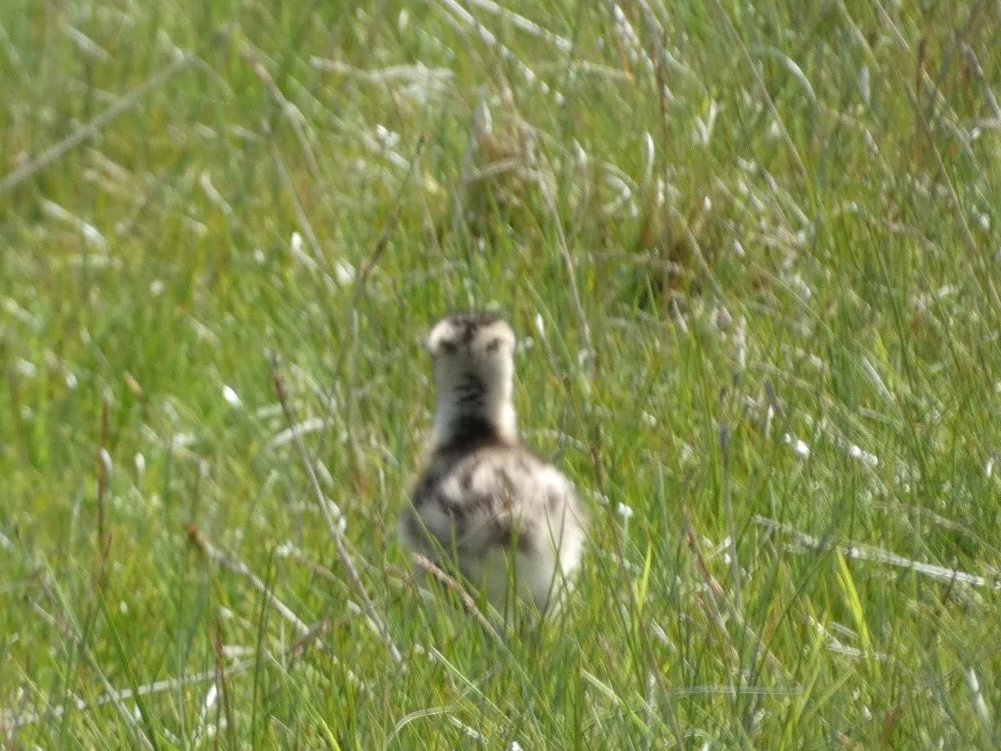
19 May 2026
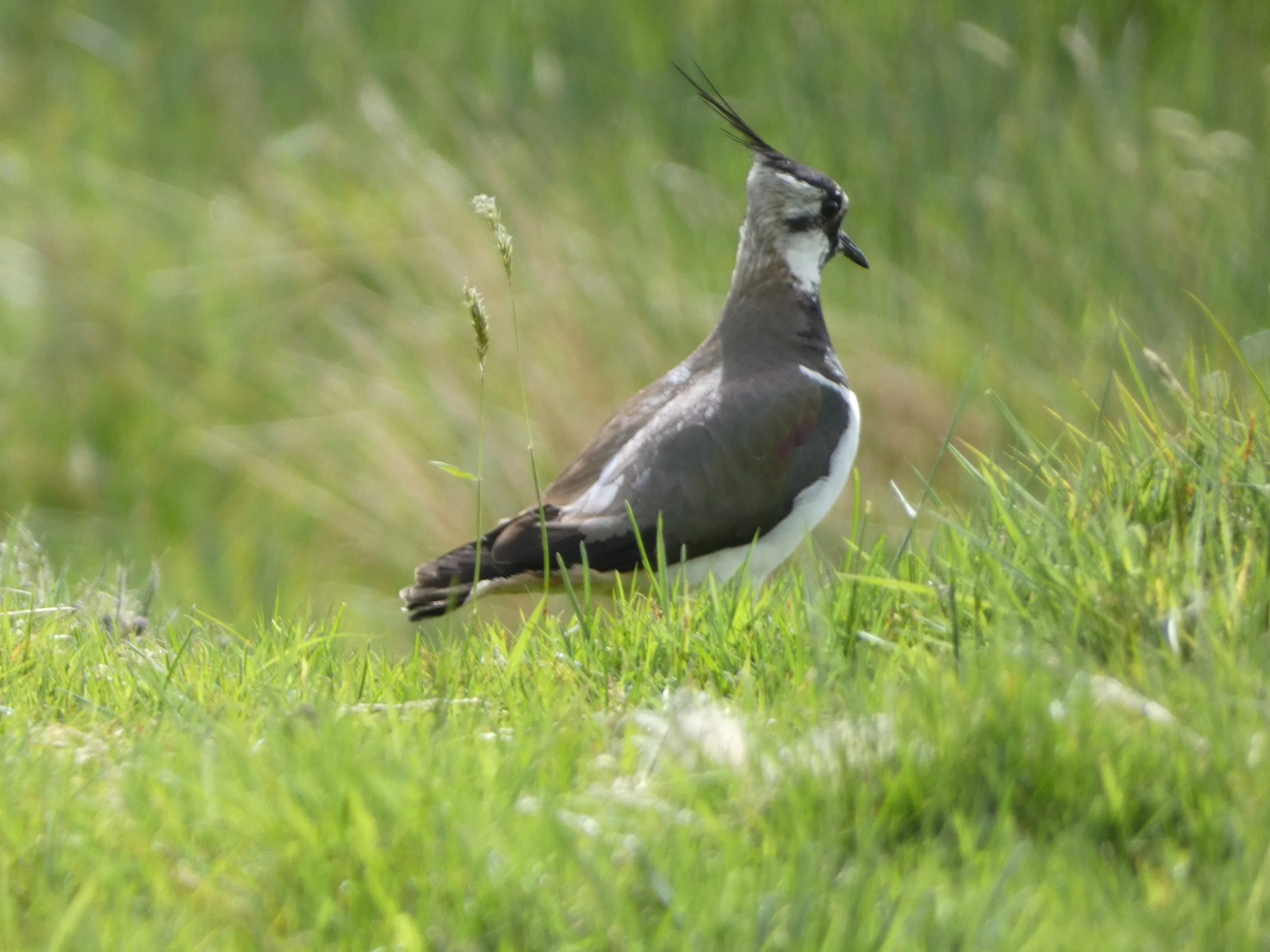
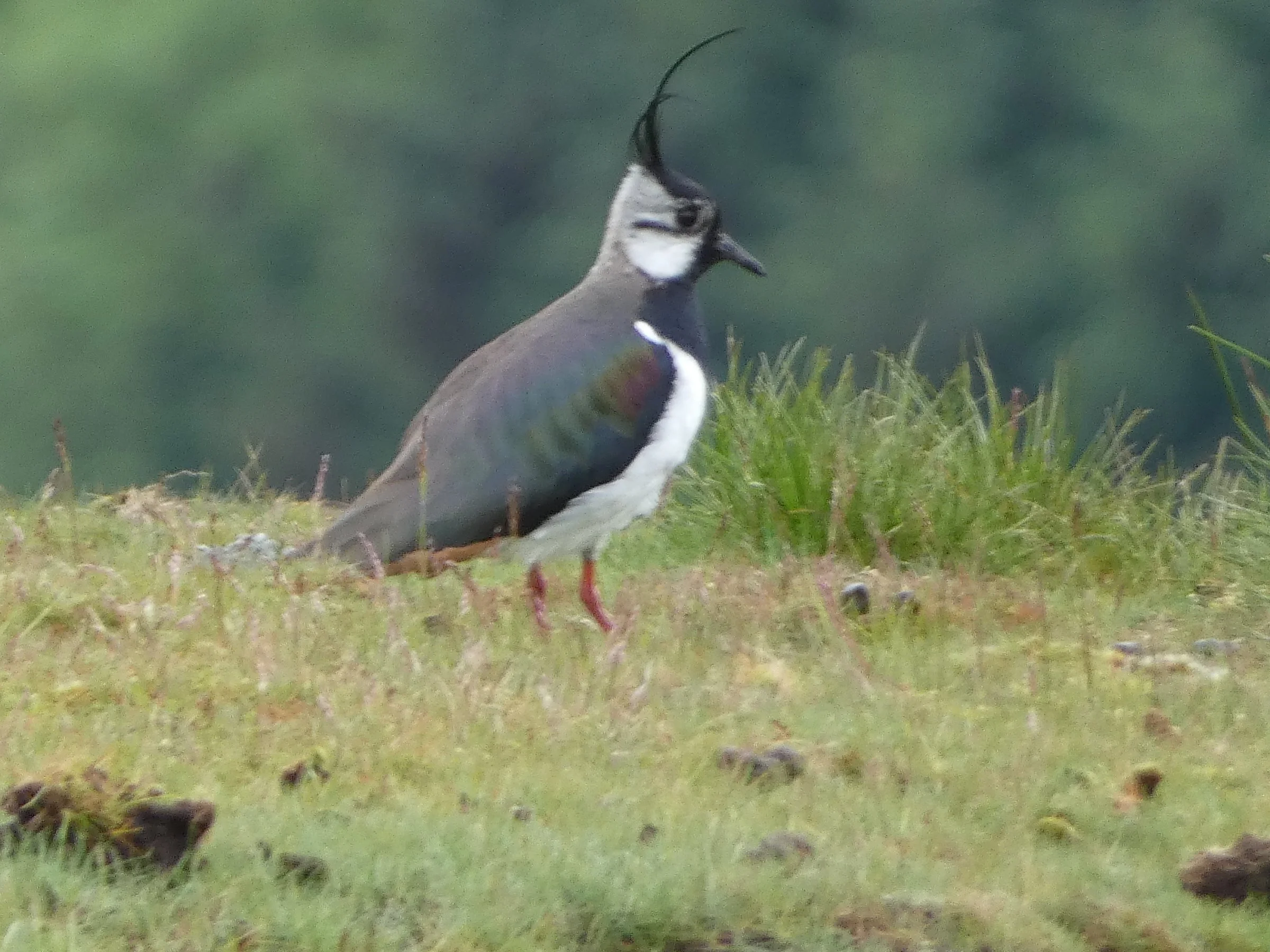
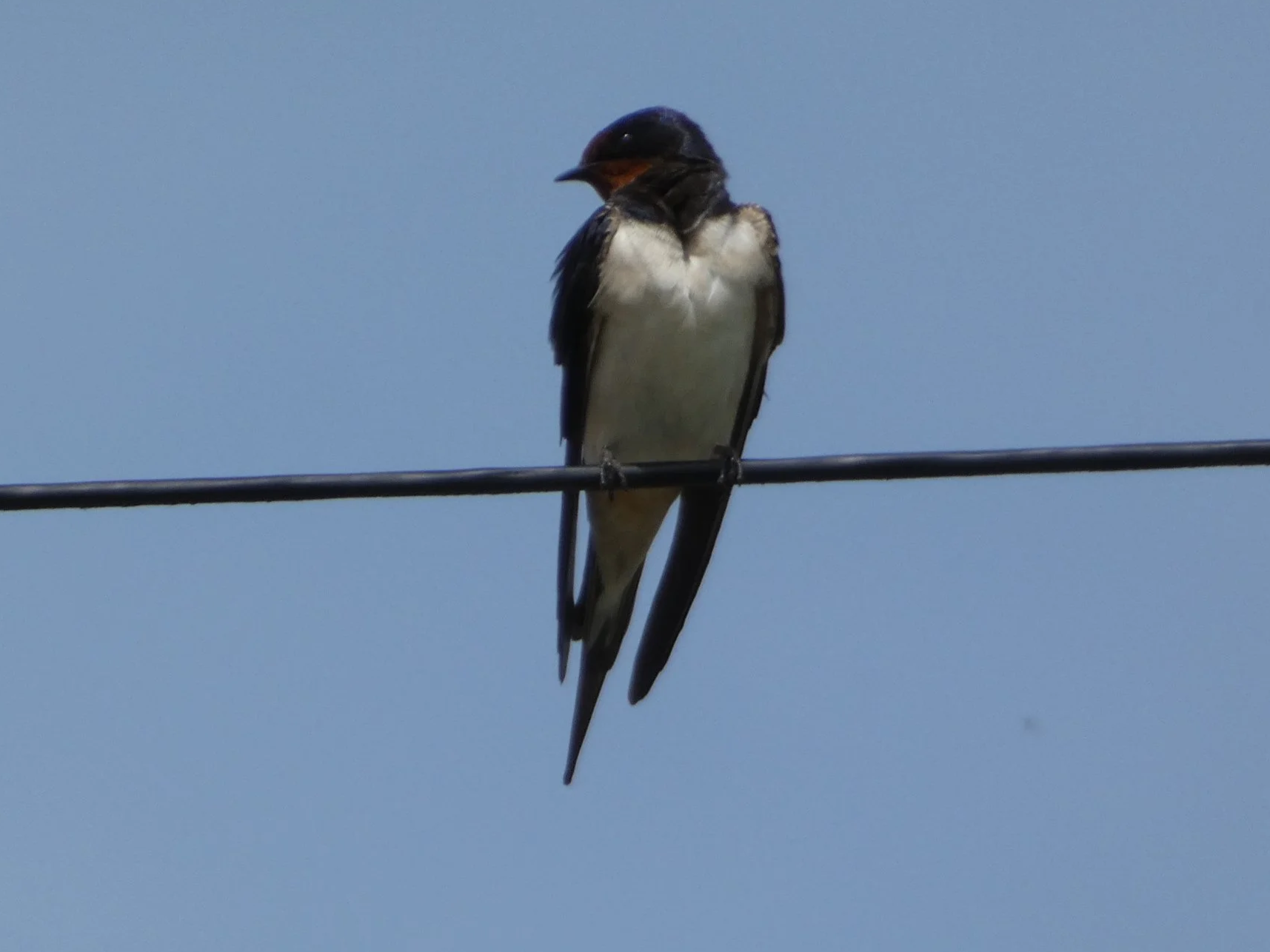
One of the many Lapwings on Walshaw Moor, with its iridescent wing plumage and distinctive crest. Swallows are also abundant on the fringes of the moor, identified by their long tail feathers and red markings on their neck.
12 May 2026
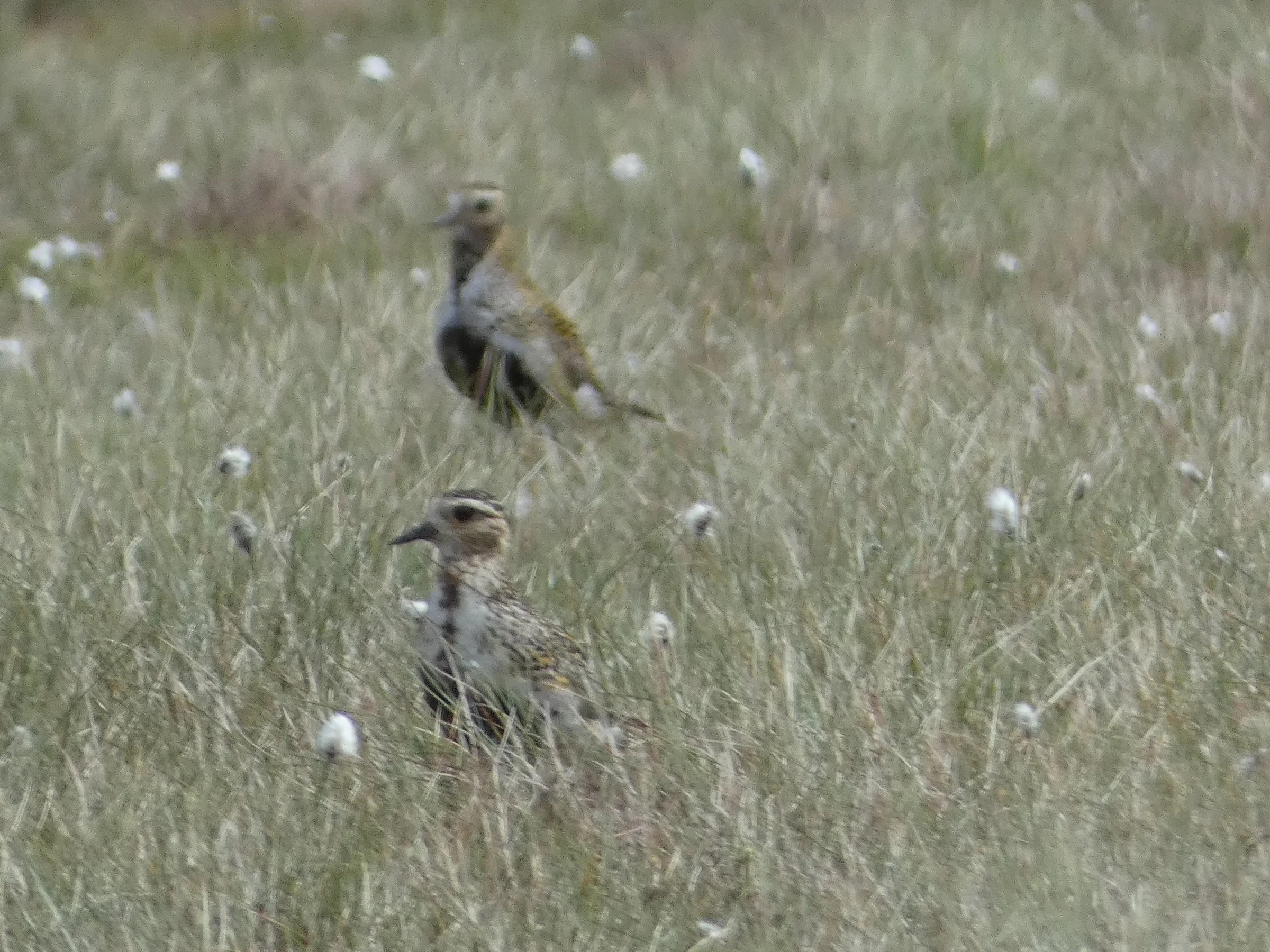
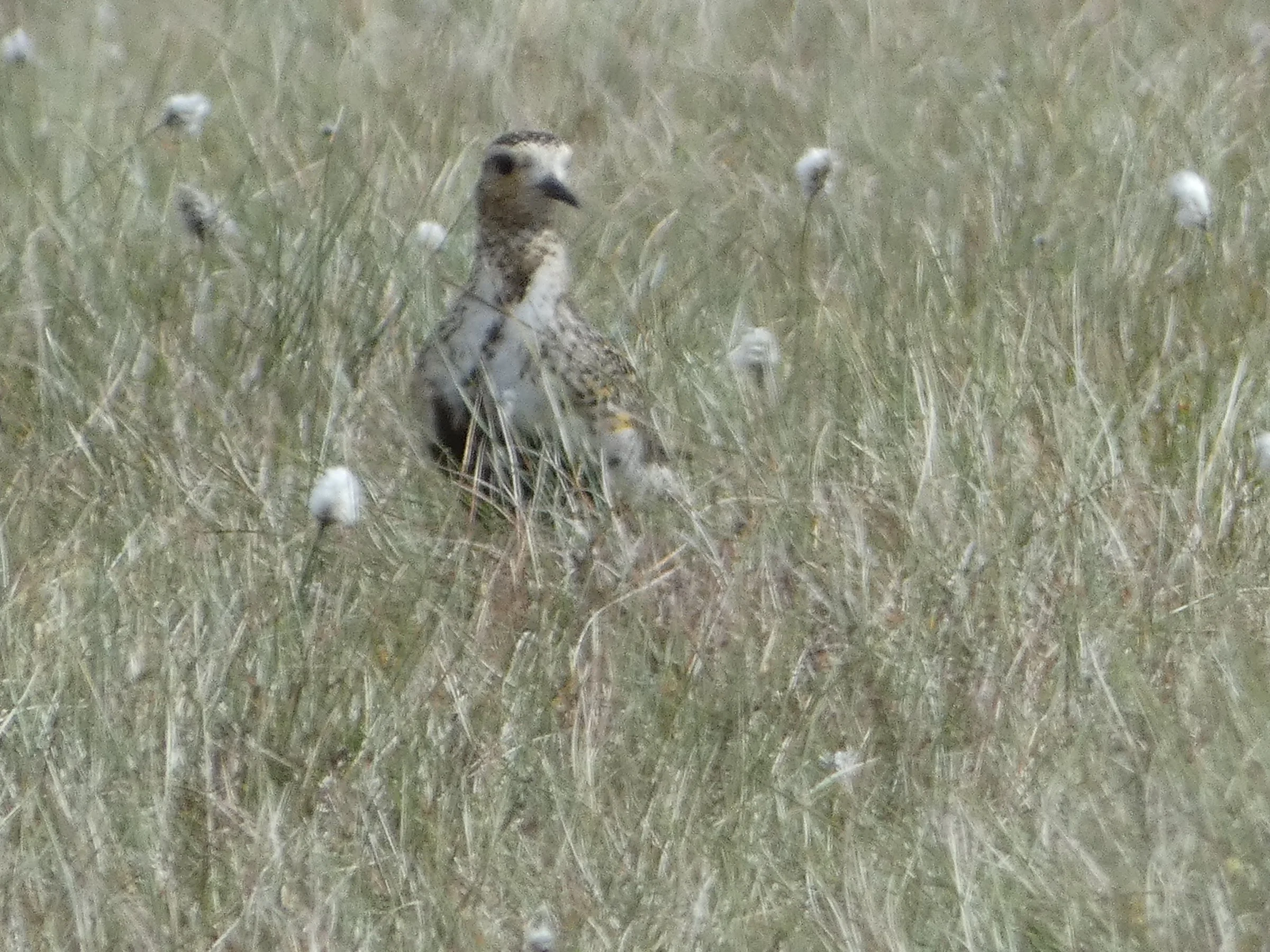
Golden Plovers amongst the bog cotton on Walshaw Moor. Listening to the subtle melancholy calls of these beautiful little birds is one of the highlights of the spring up on the moor.
5 May 2026
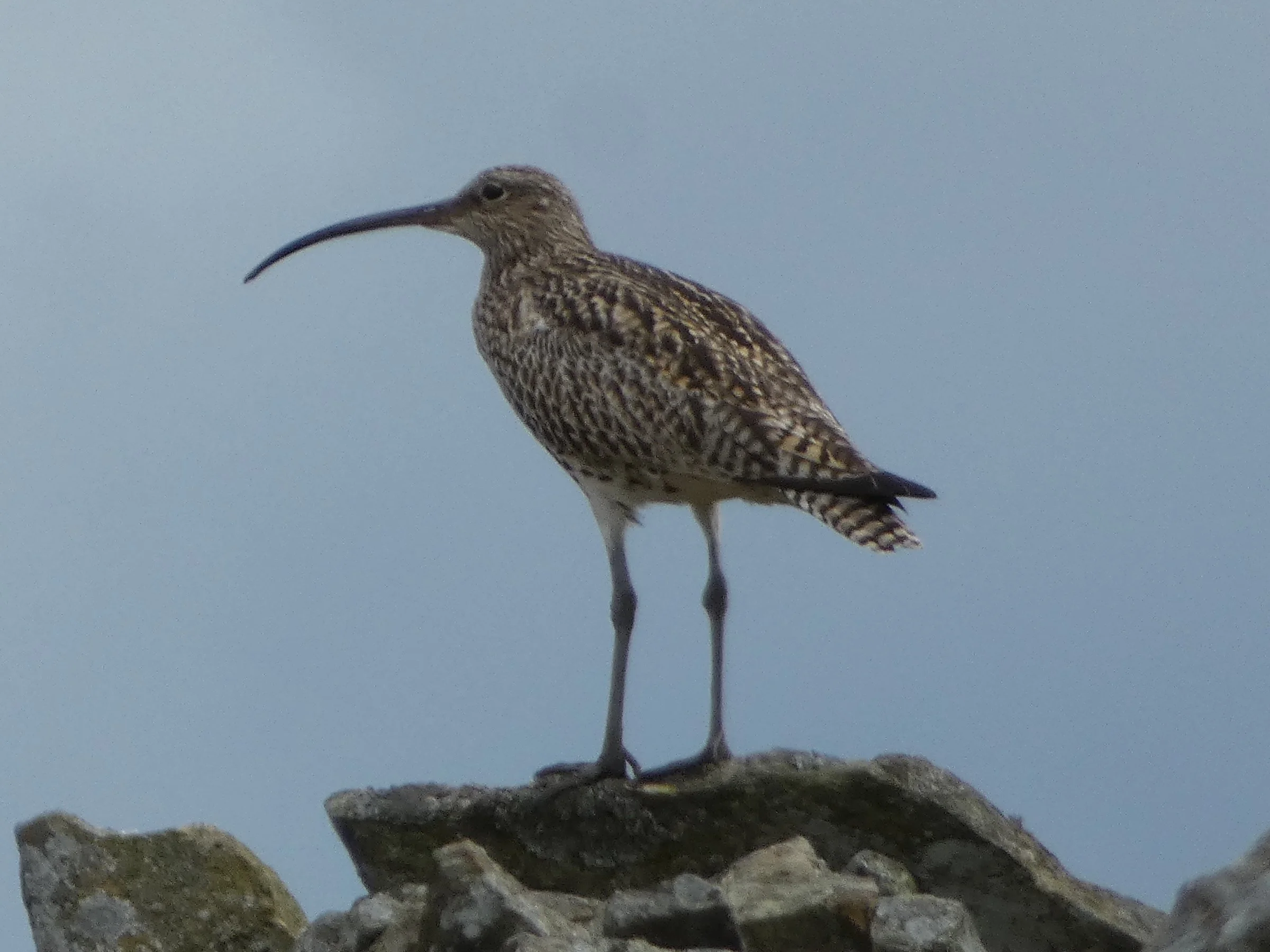
Curlew on Shackleton Moor part of the Walshaw Moor Estate above Crimsworth Dean, one of the best places to see and hear Curlews in the whole of Britain. No one in their right mind would build a huge wind farm here.
4 May 2026
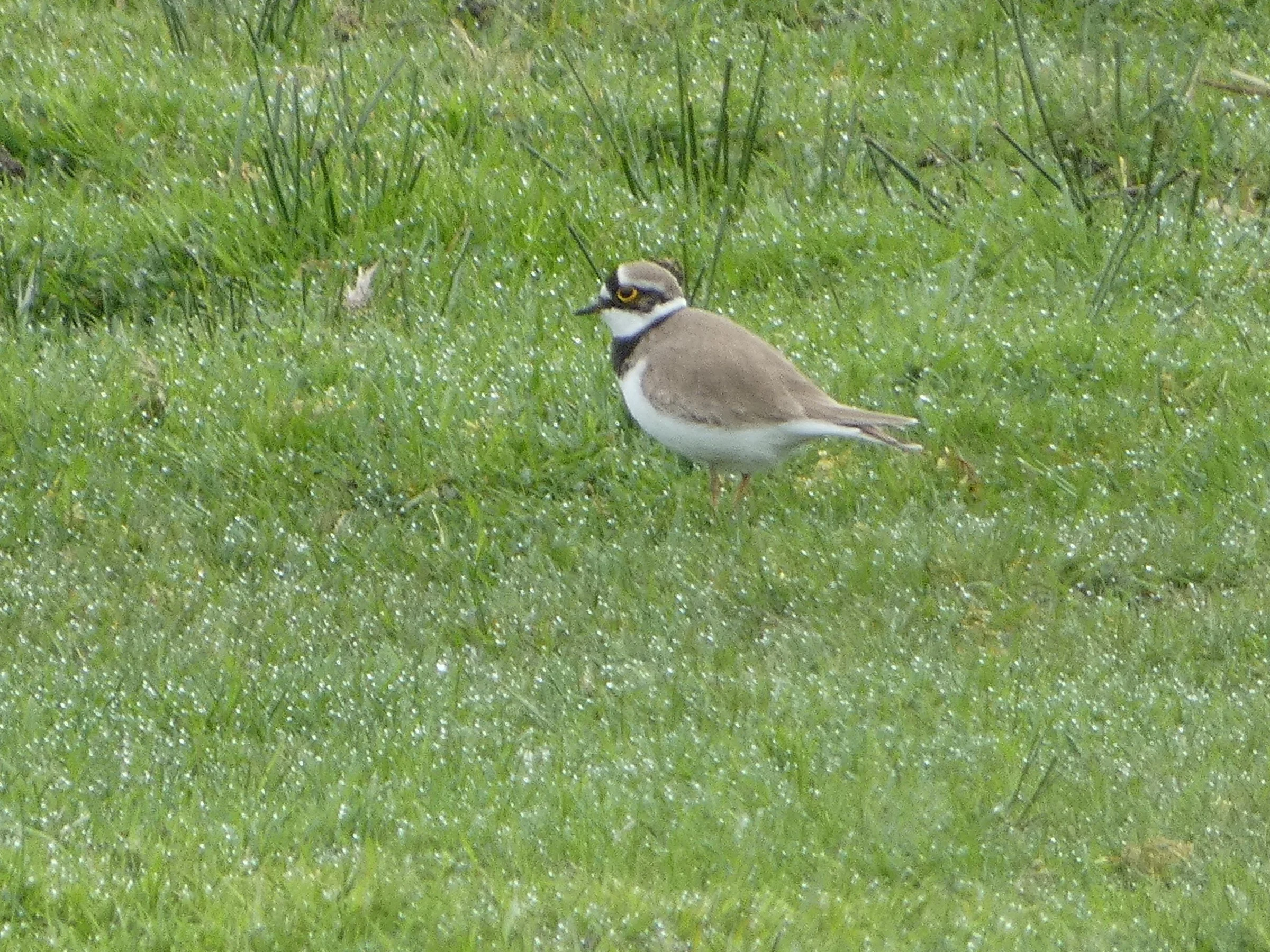
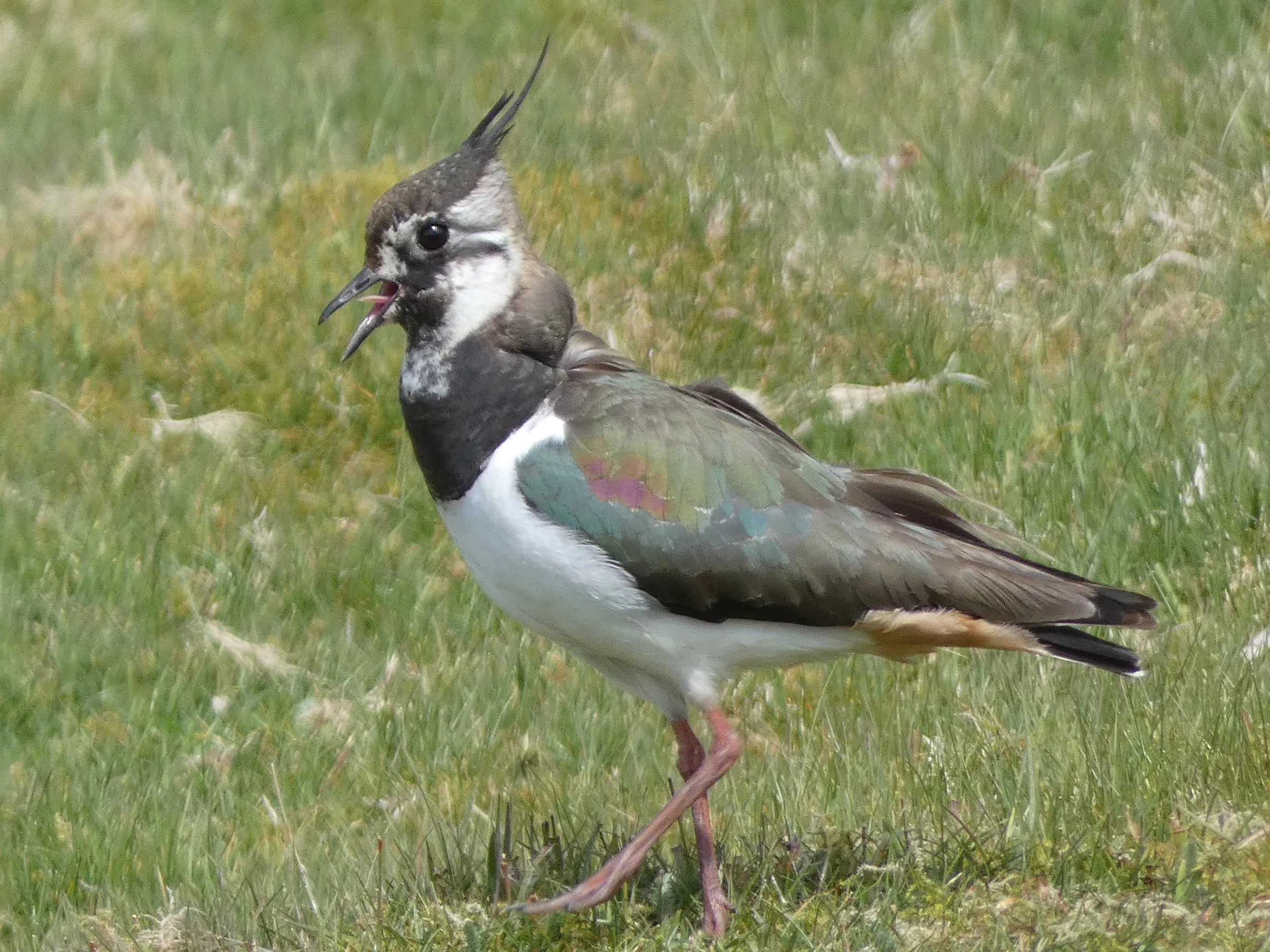
Very exciting to spot a Little Ringed Plover on Walshaw Moor above Blake Dean (Hardcastle Crags). These tiny waders, with their distinctive yellow eye markings, are similar in size to Pied Wagtails. Although rare in this locality, it is significant that they are now starting to colonise this area, happily grazing alongside the nurmerous Lapwings.
2 May 2026
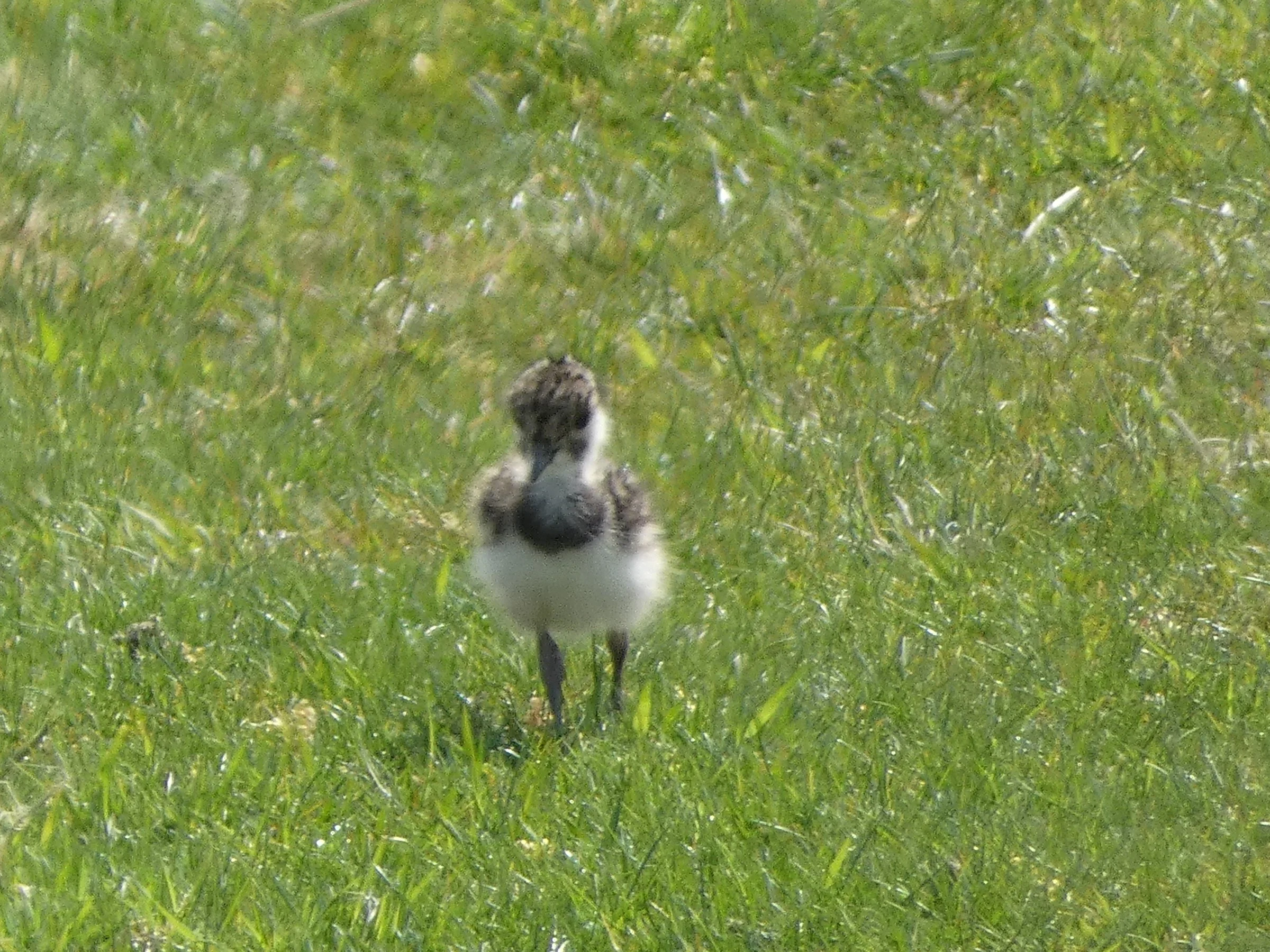
First Lapwing chick of the season spotted on Walshaw Moor above Blake Dean…
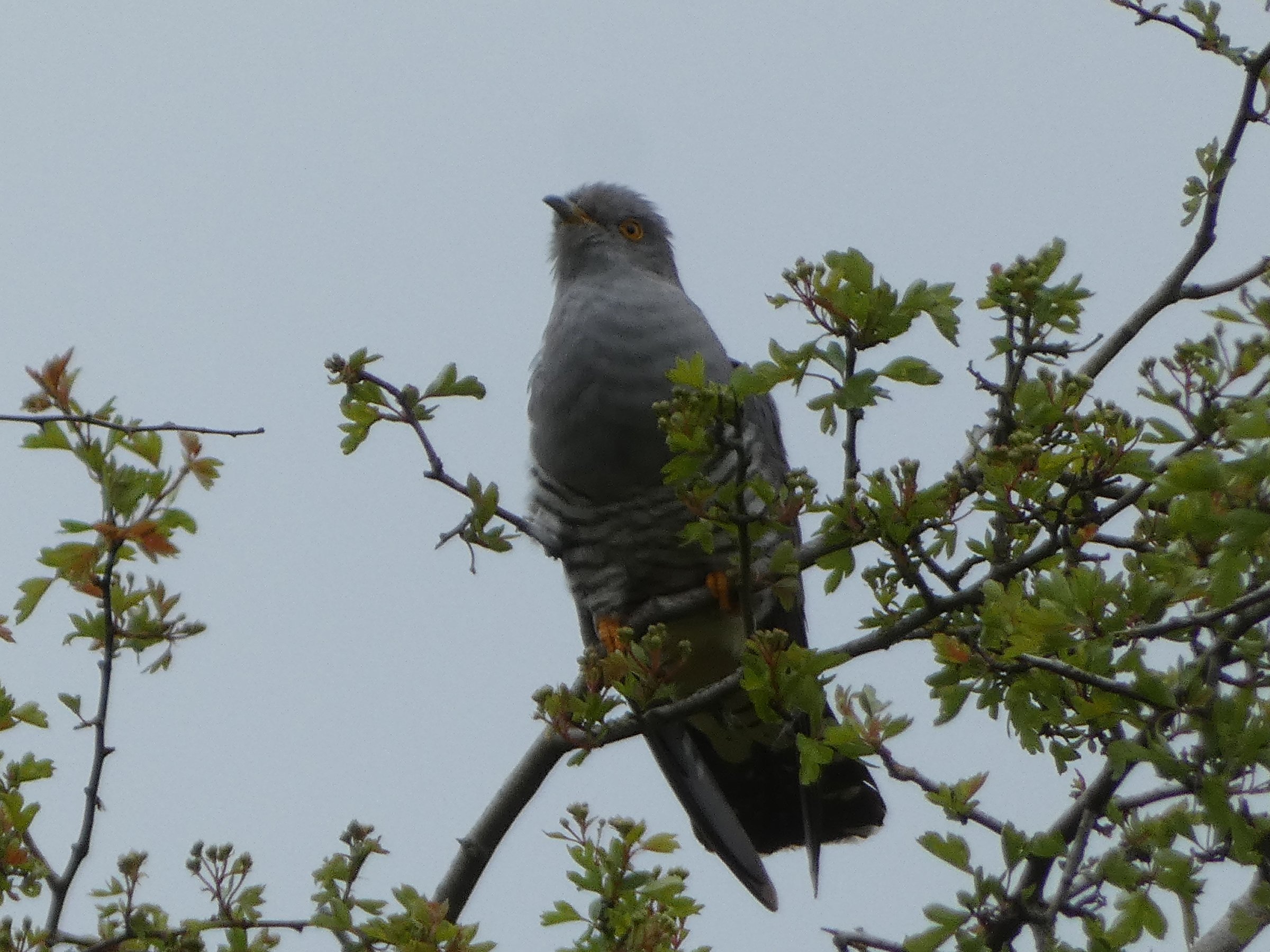
Cuckoos are often heard at this time of year on the fringes of the Walshaw Moor Estate. Yet another Red-Listed bird that would be threatened by the impact of Calderdale Energy Park.
1 May 2026
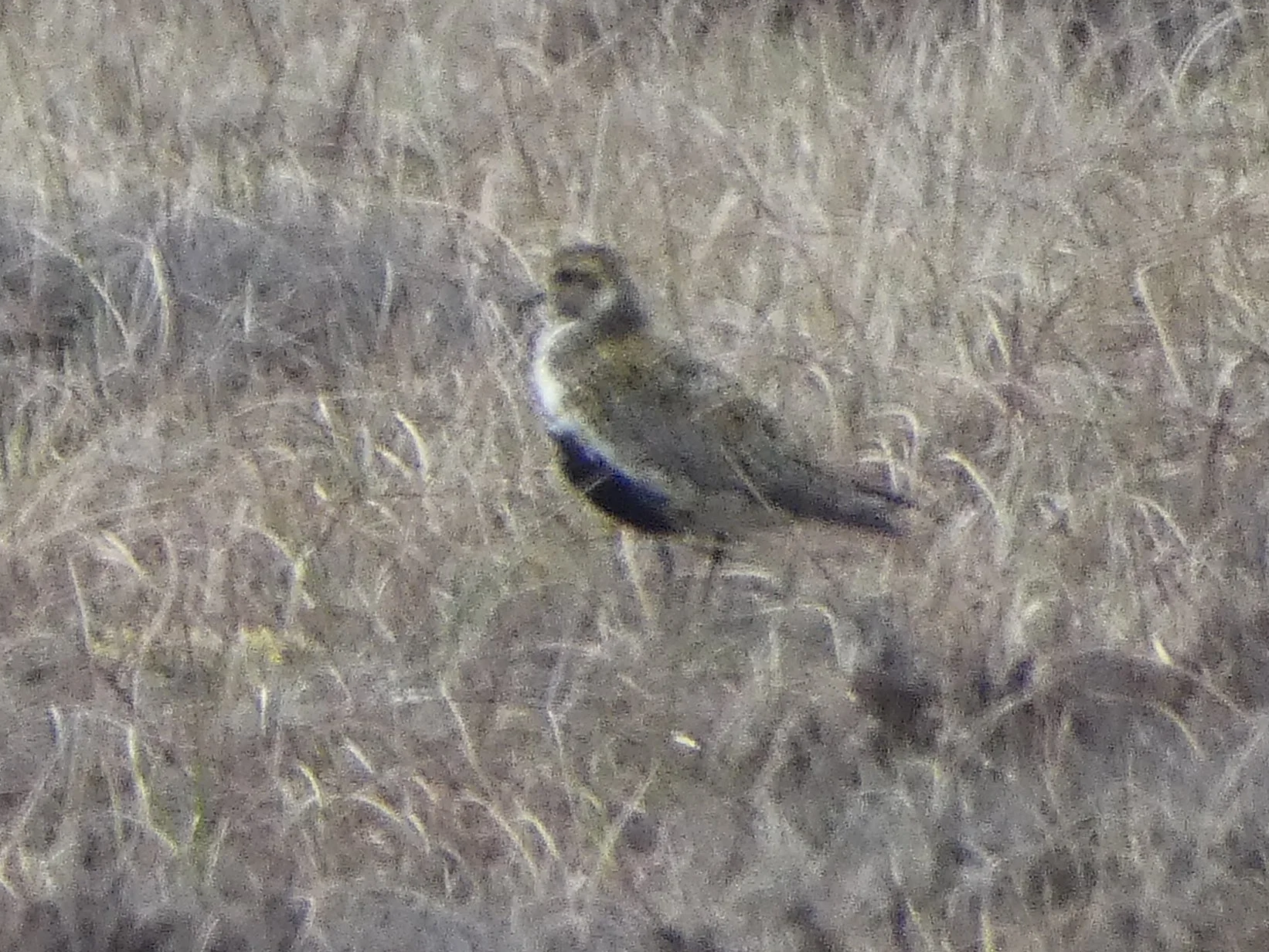
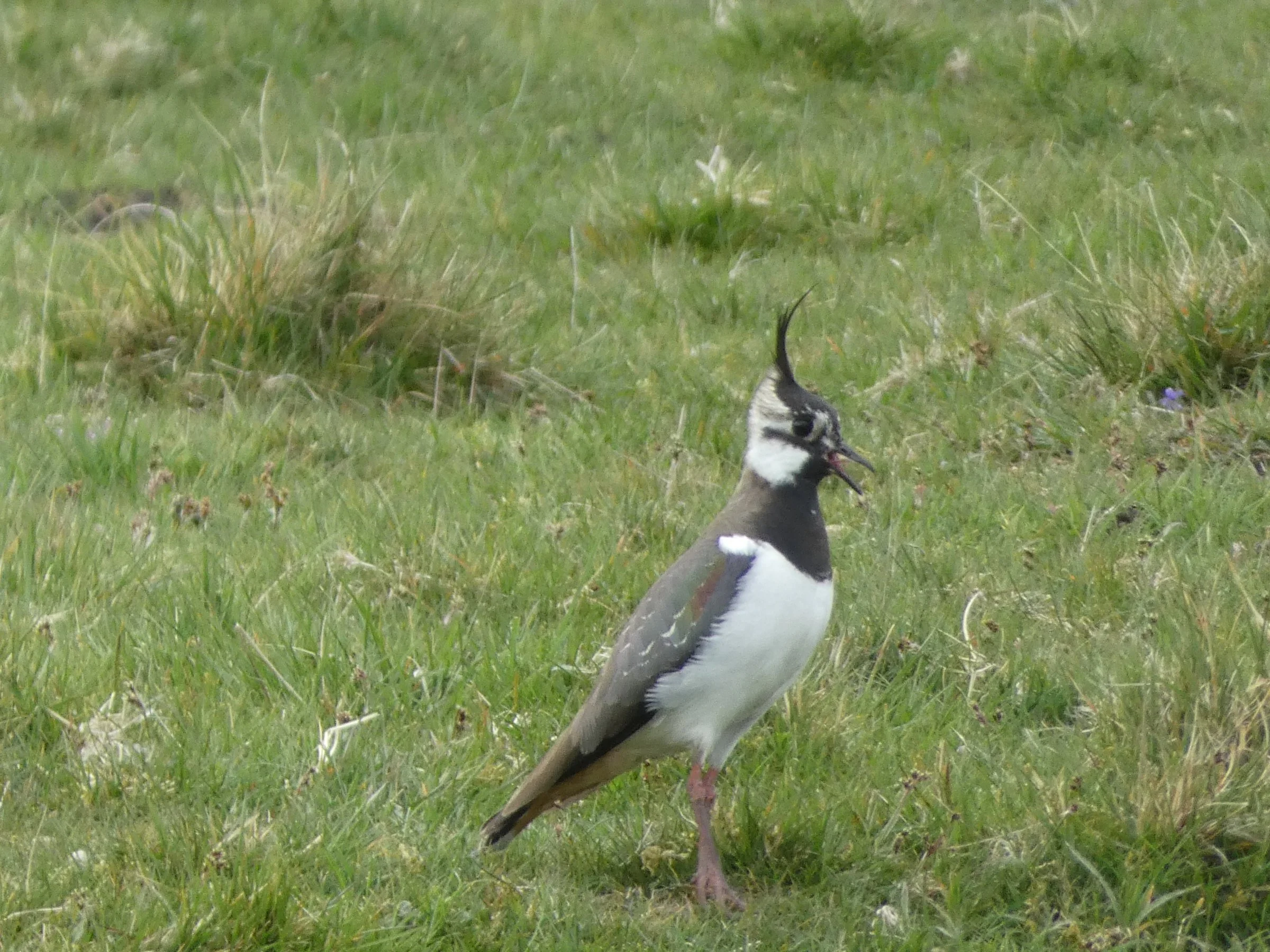
Golden Plover and Lapwing on Walshaw Moor. Like Curlews, these Red-Listed ground-nesting birds breed in abundance all over the Walshaw Moor Estate.
28 April 2026
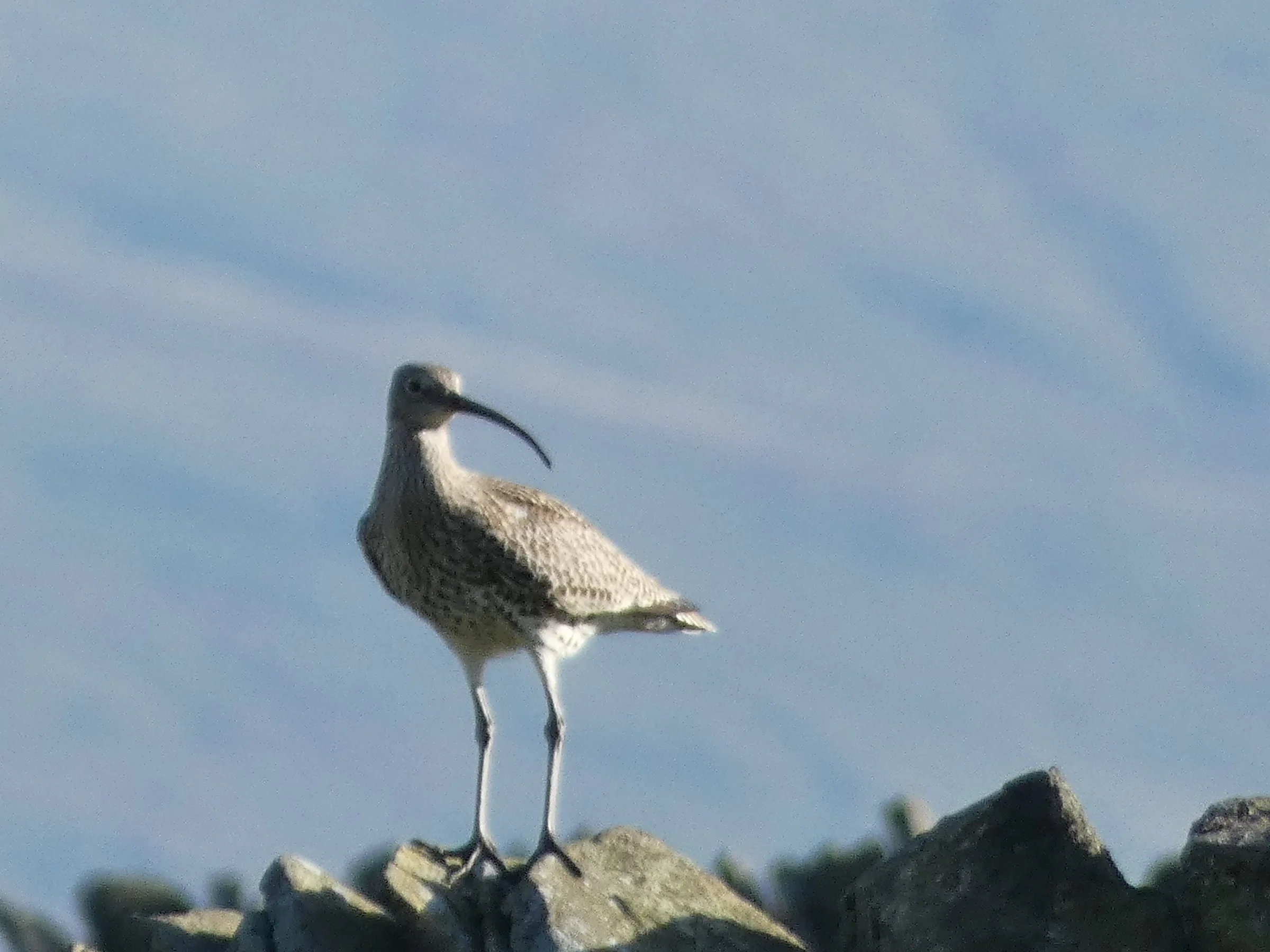
Curlew on Walshaw Moor - one of the best breeding sites for these iconic red-listed waders in the whole of the UK.
22 April 2026
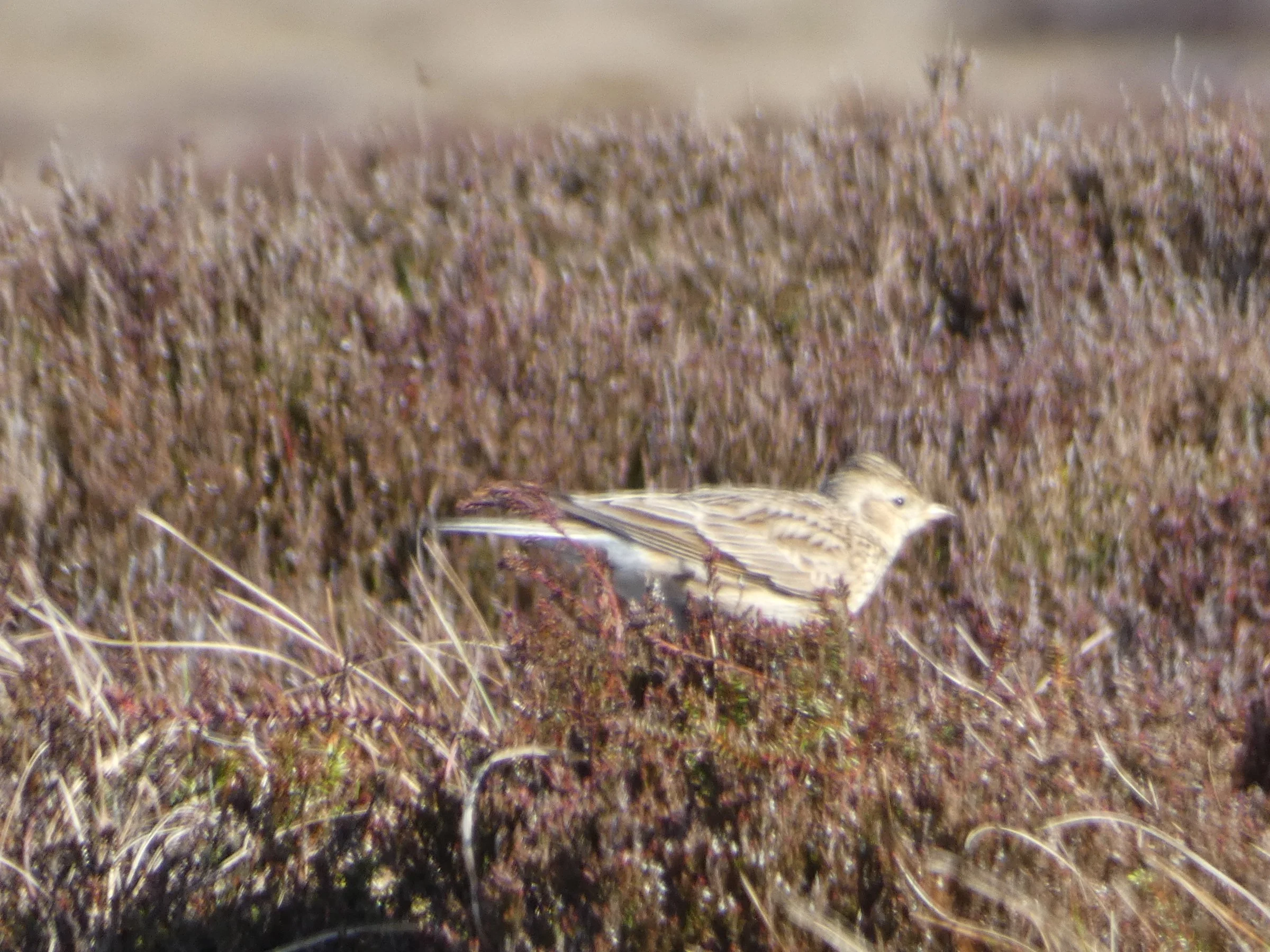
One of the thousands of Skylarks on Walshaw Moor - their chorus can be heard every day all over the Walshaw Moor Estate. Such a different song and mode of behaviour to the similarly abundant Lapwings.
21 April 2026
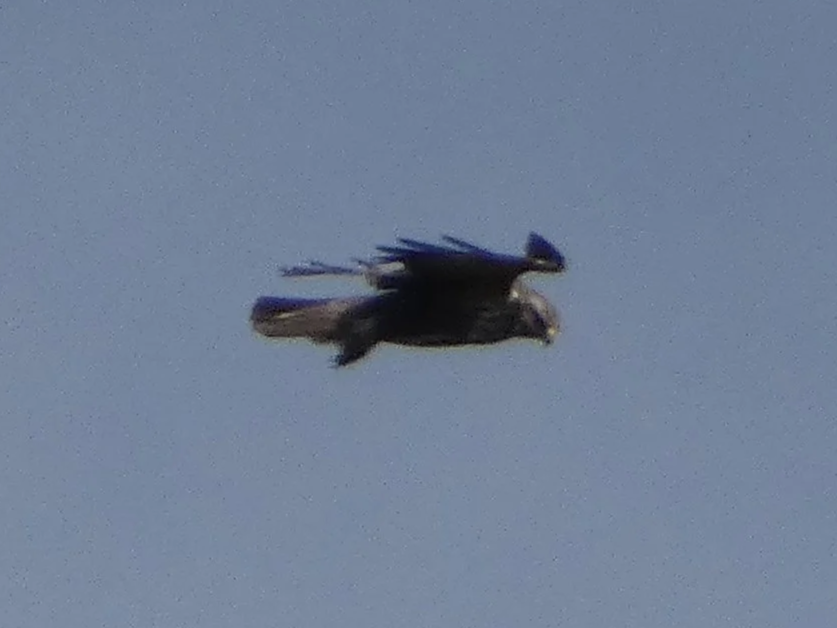
A plethora of birds out and about on Shackleton Moor on World Curlew Day: lots of Curlews, needless to say, but also Golden Plovers, Lapwings, Red Kite, Buzzard and Northern Wheatear. The raptors were on the prowl, the Curlews were on the defensive, deterring predators with alarm calls and guarding the precious eggs in their nests
17 April 2026
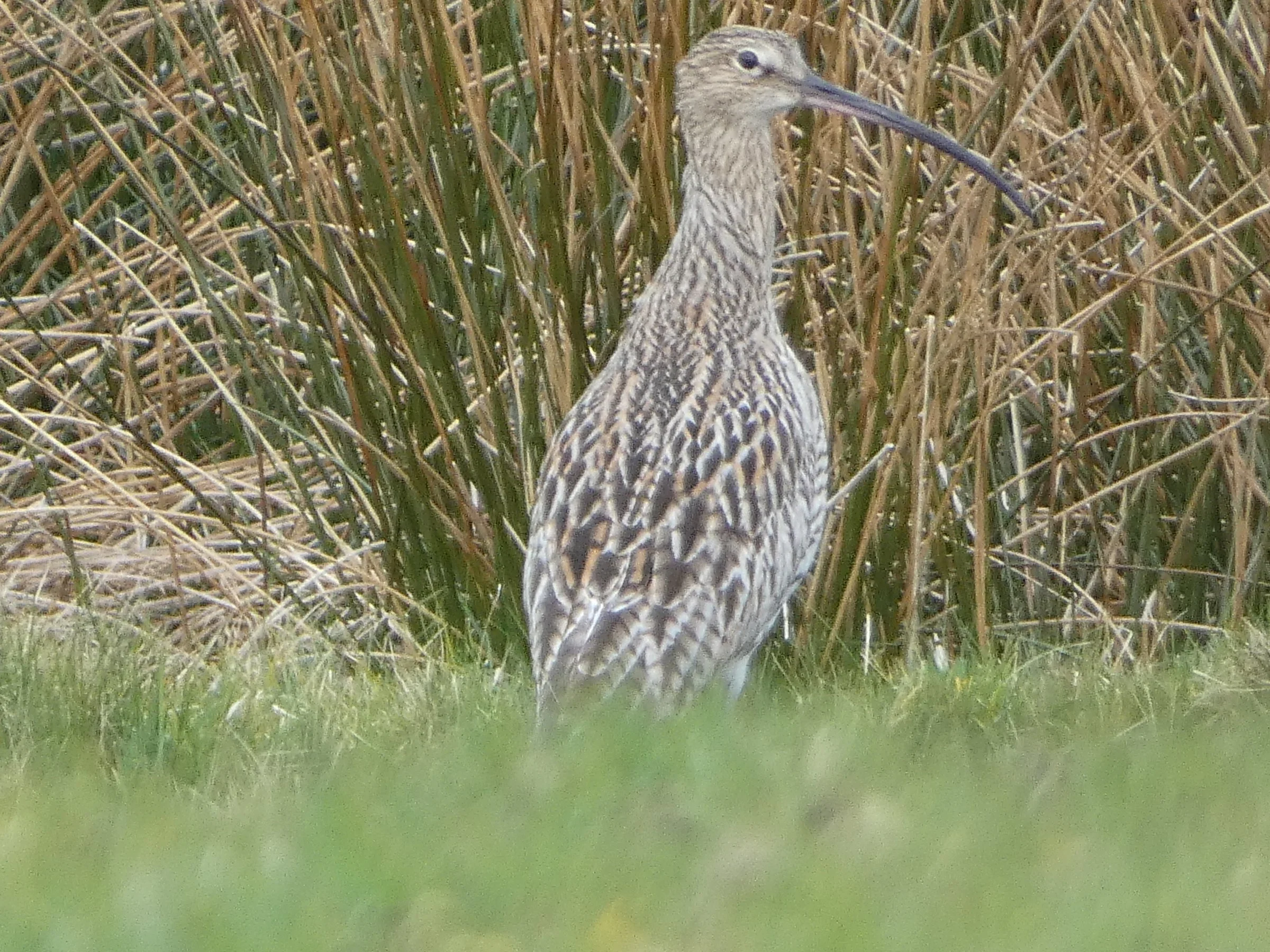
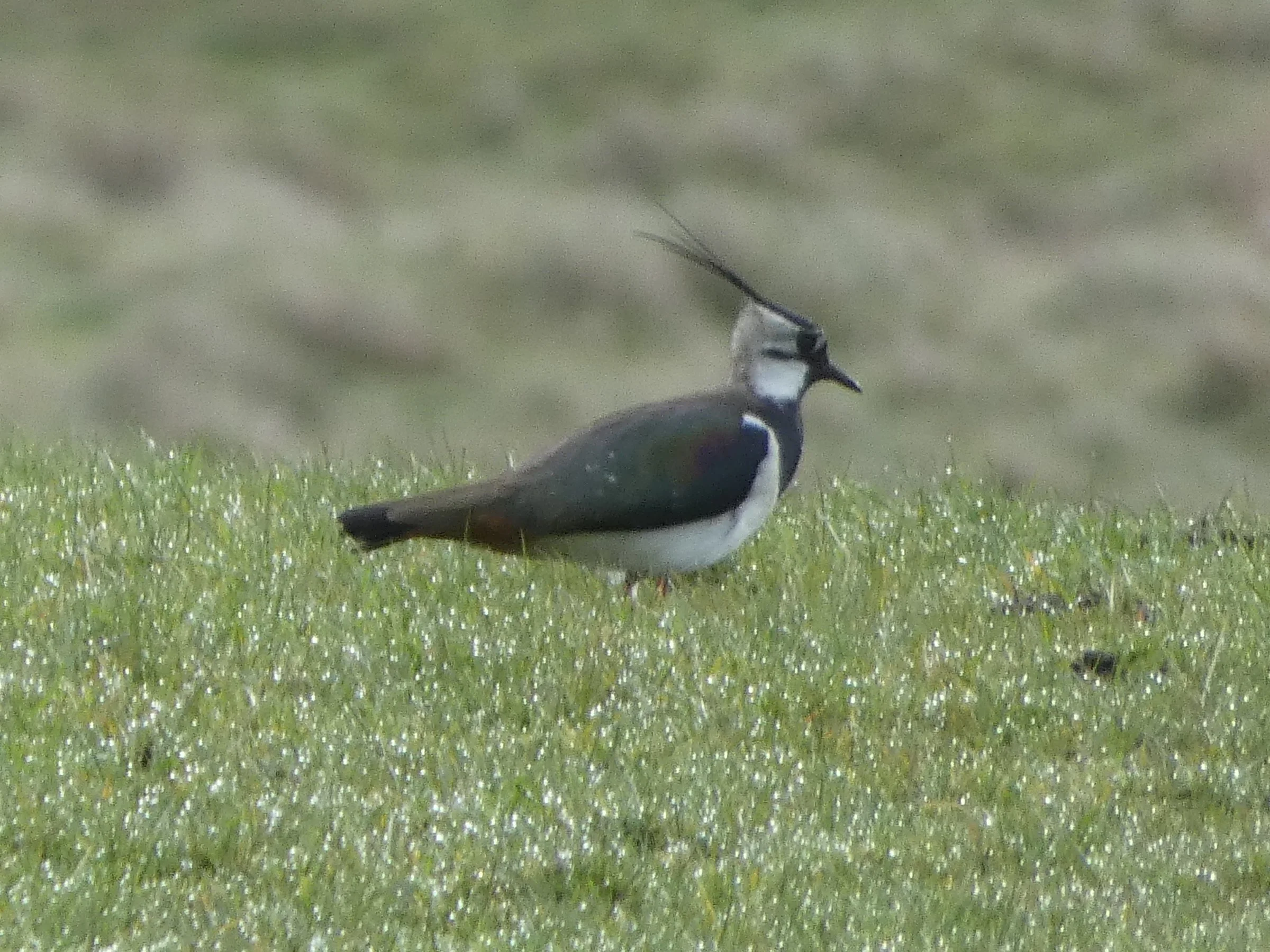
No better tonic for a damp drizzly morning than the sight and sound of Curlews soaring over Walshaw Moor. The wet weather is ideal for them as they prod into the boggy ground with their scythe-like bills. Equally happy in the glistening morning dew are the equally abundant Lapwings. Over 40 spotted in less than an hour this morning on either side of Stairs Lane.
14 April 2026
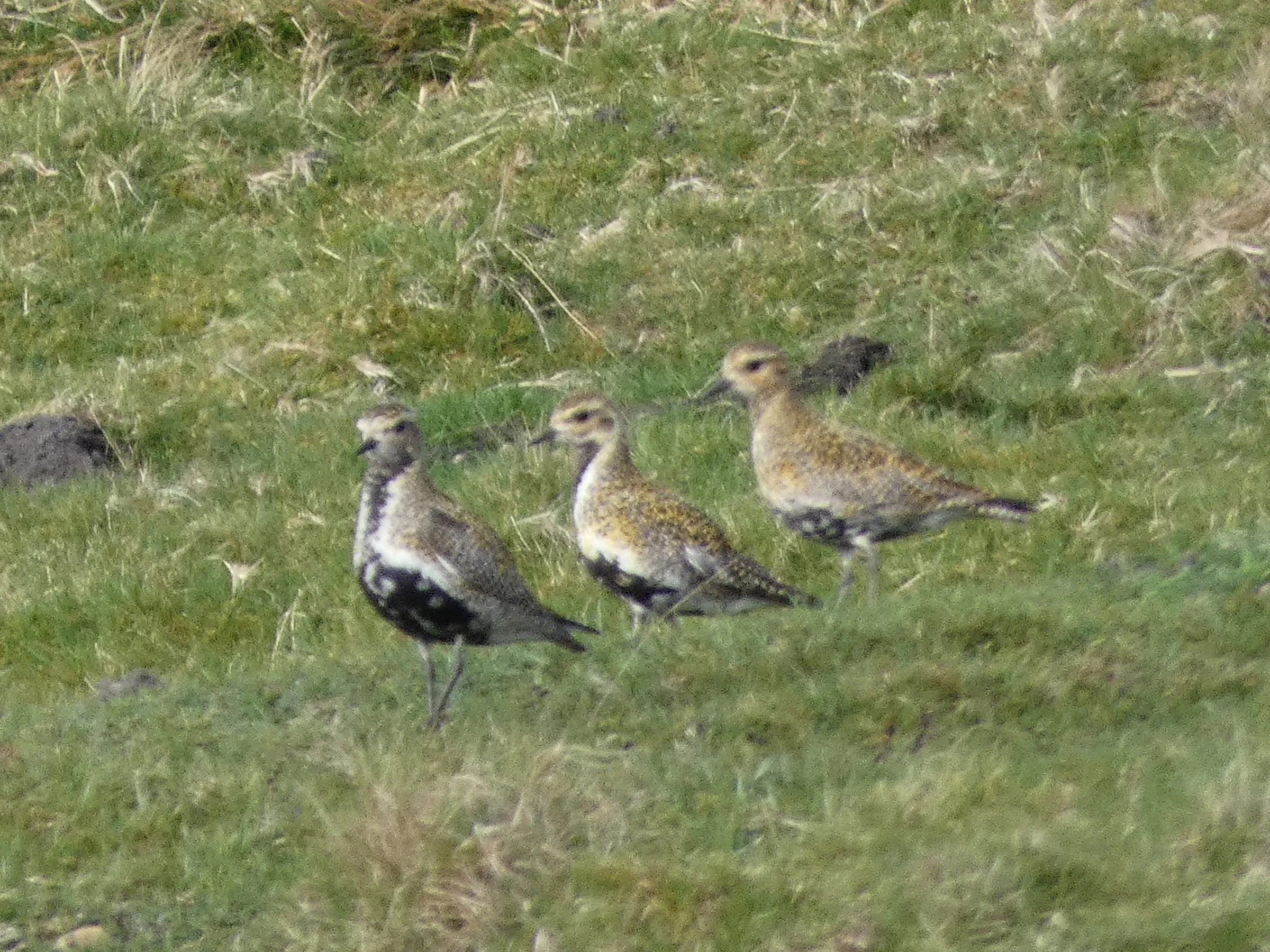
Three Golden Plovers on Shackleton Moor, part of a large group of 14 feeding together on this part of Walshaw Moor. Golden Plovers are fairly elusive so it’s rare to see them in such large numbers, an indication of the importance of Walshaw Moor as a breeding site for this endangered species. The aptly named Northern Wheatear also spotted close by, very much at home on the moor.
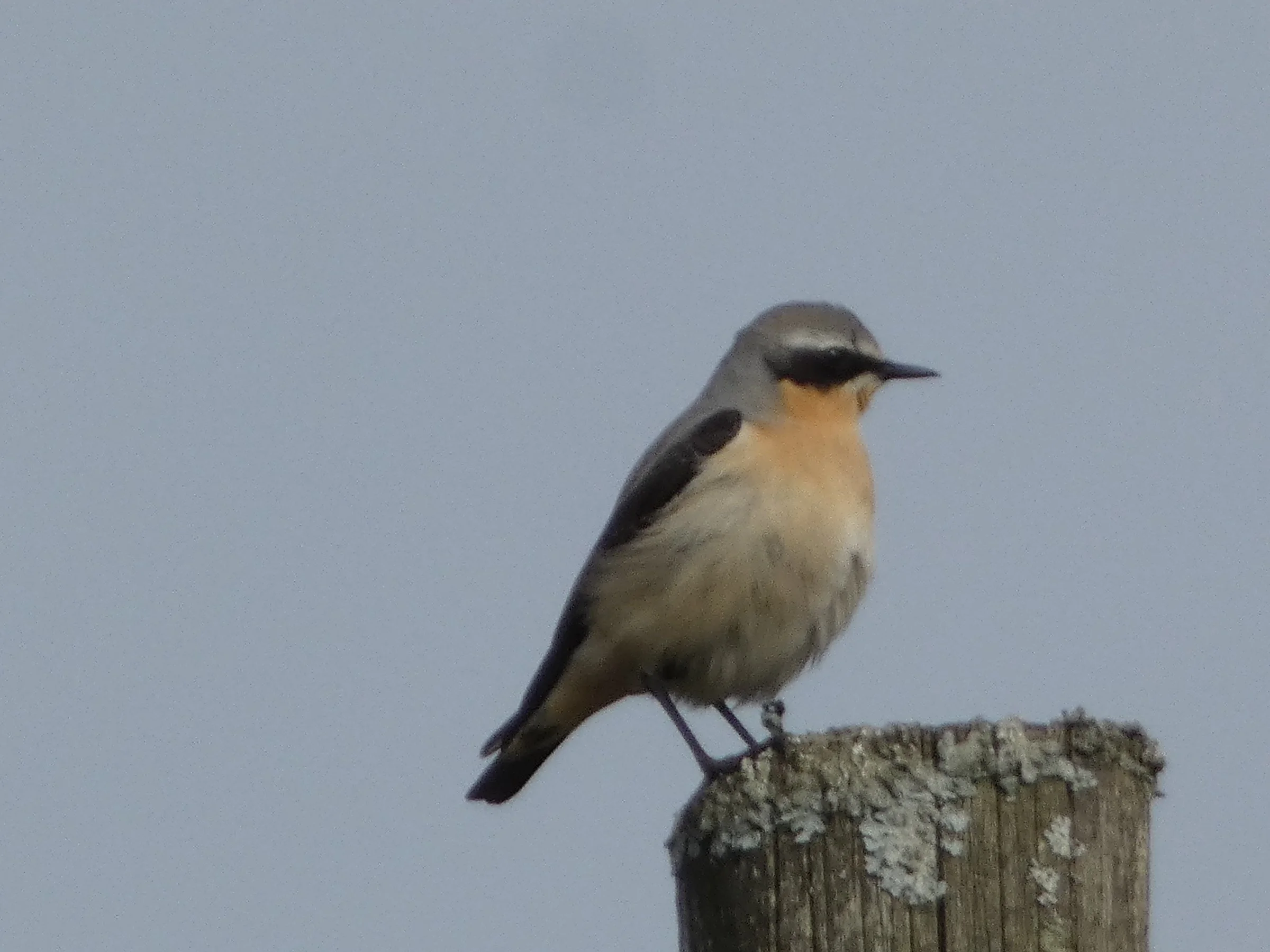
13 April 2026
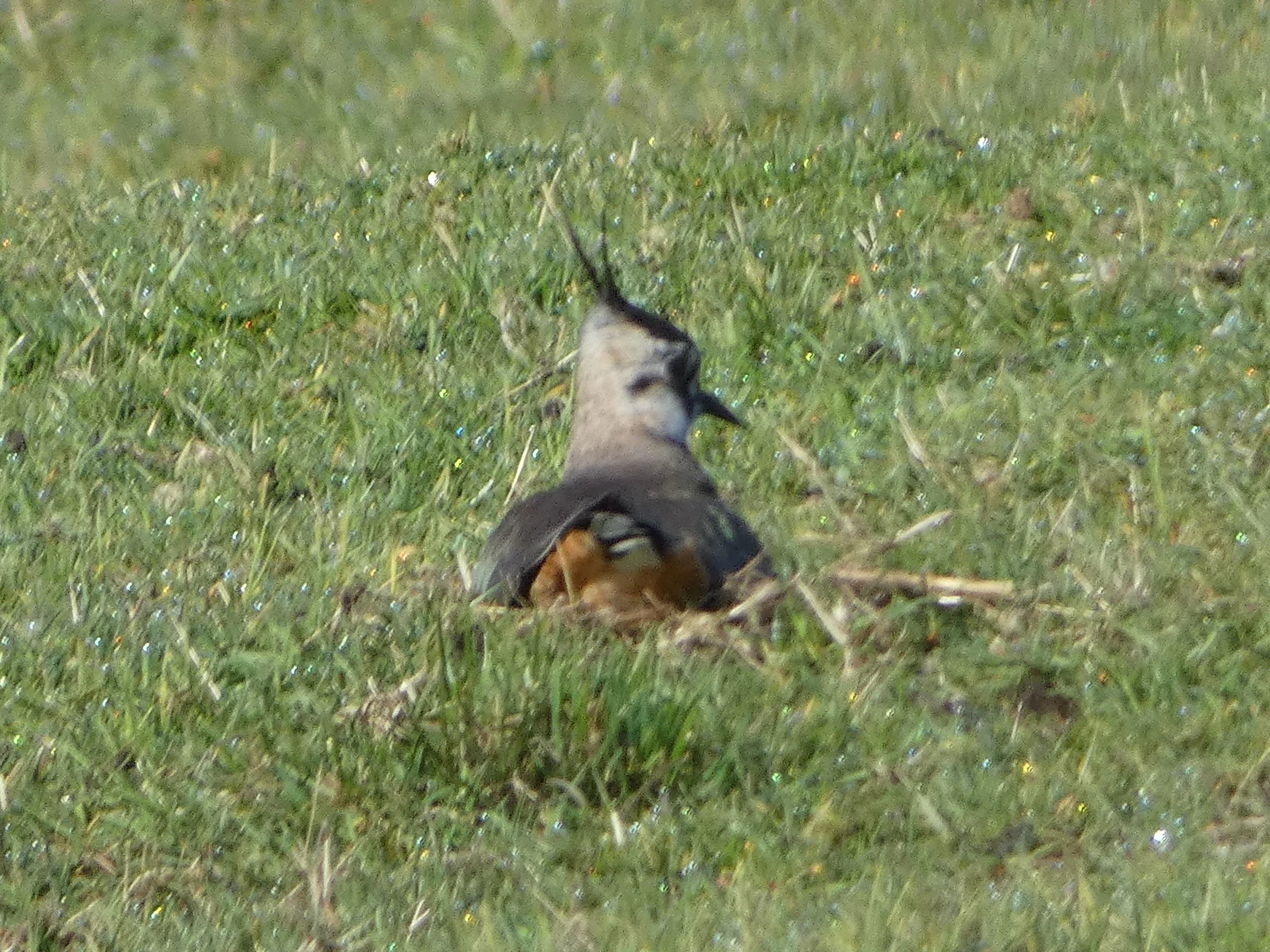
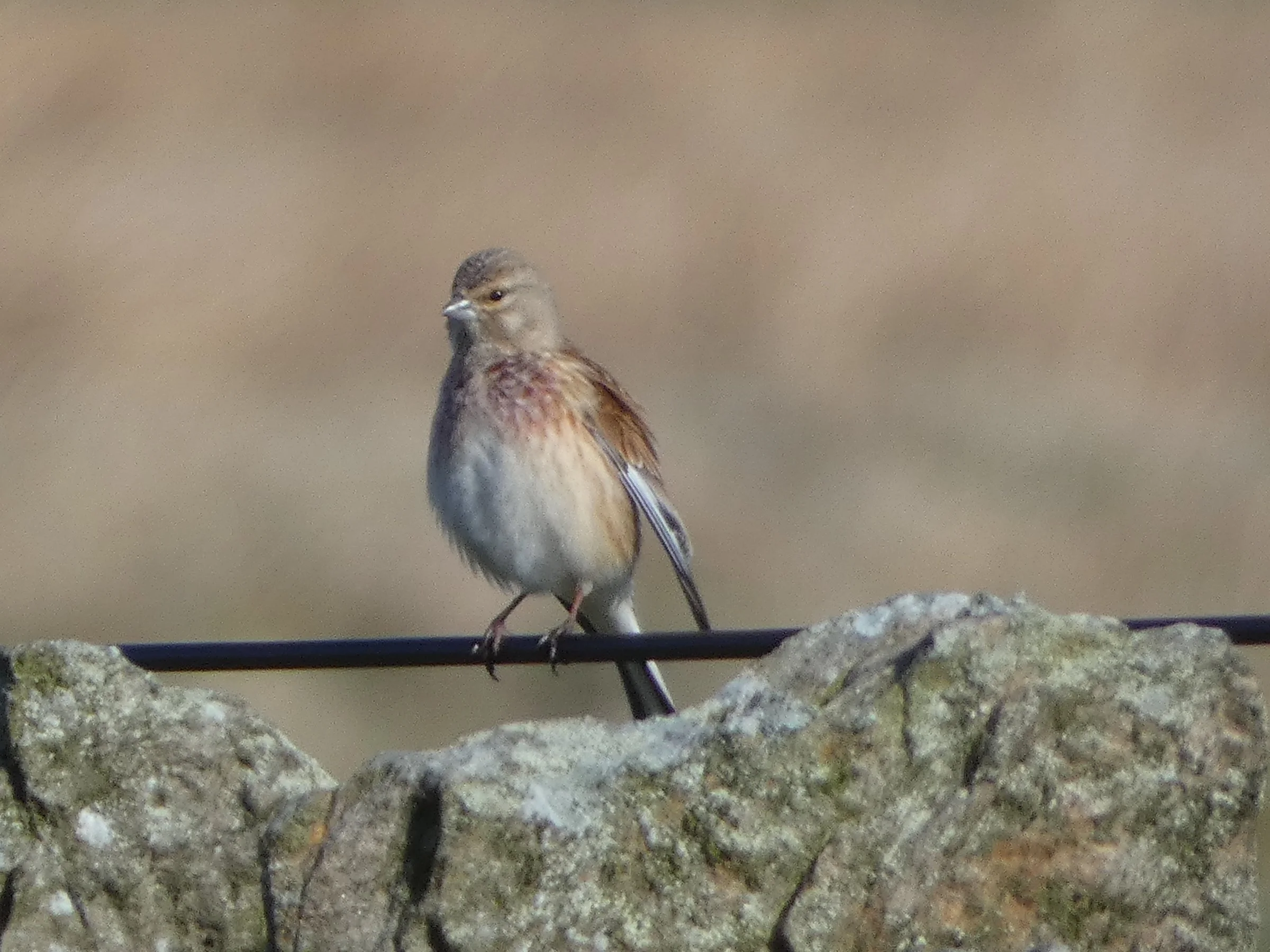
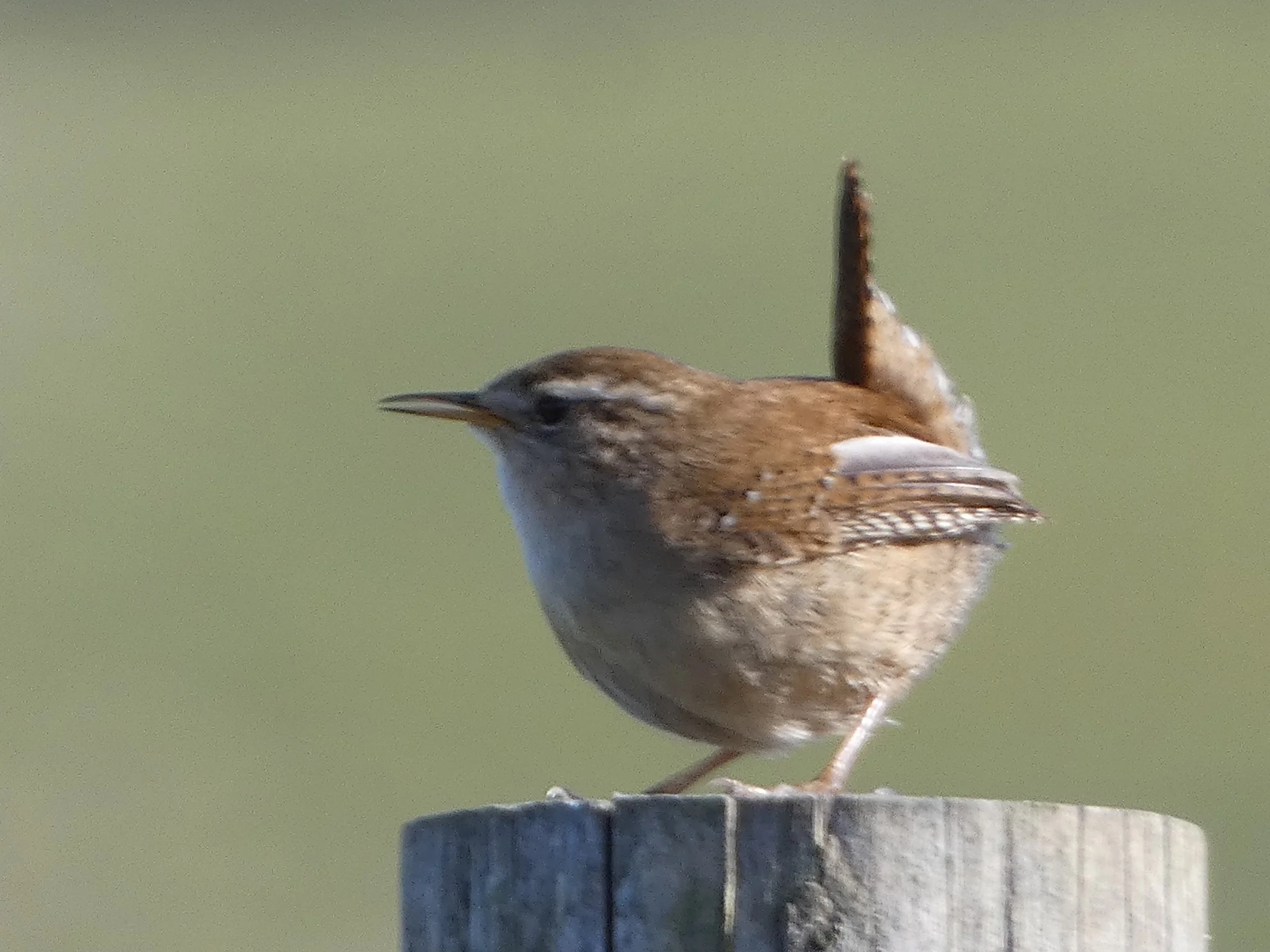
Lapwing settling down to nest on Walshaw Moor above Crimsworth Dean, where huge numbers can be seen every day at this time of year. Another Linnet spotted on the boundary of the moor today, indicating that their numbers are increasing here. Wrens also inhabit the fringes of Walshaw Moor and are often spotted on walls and fences.
10 April 2026
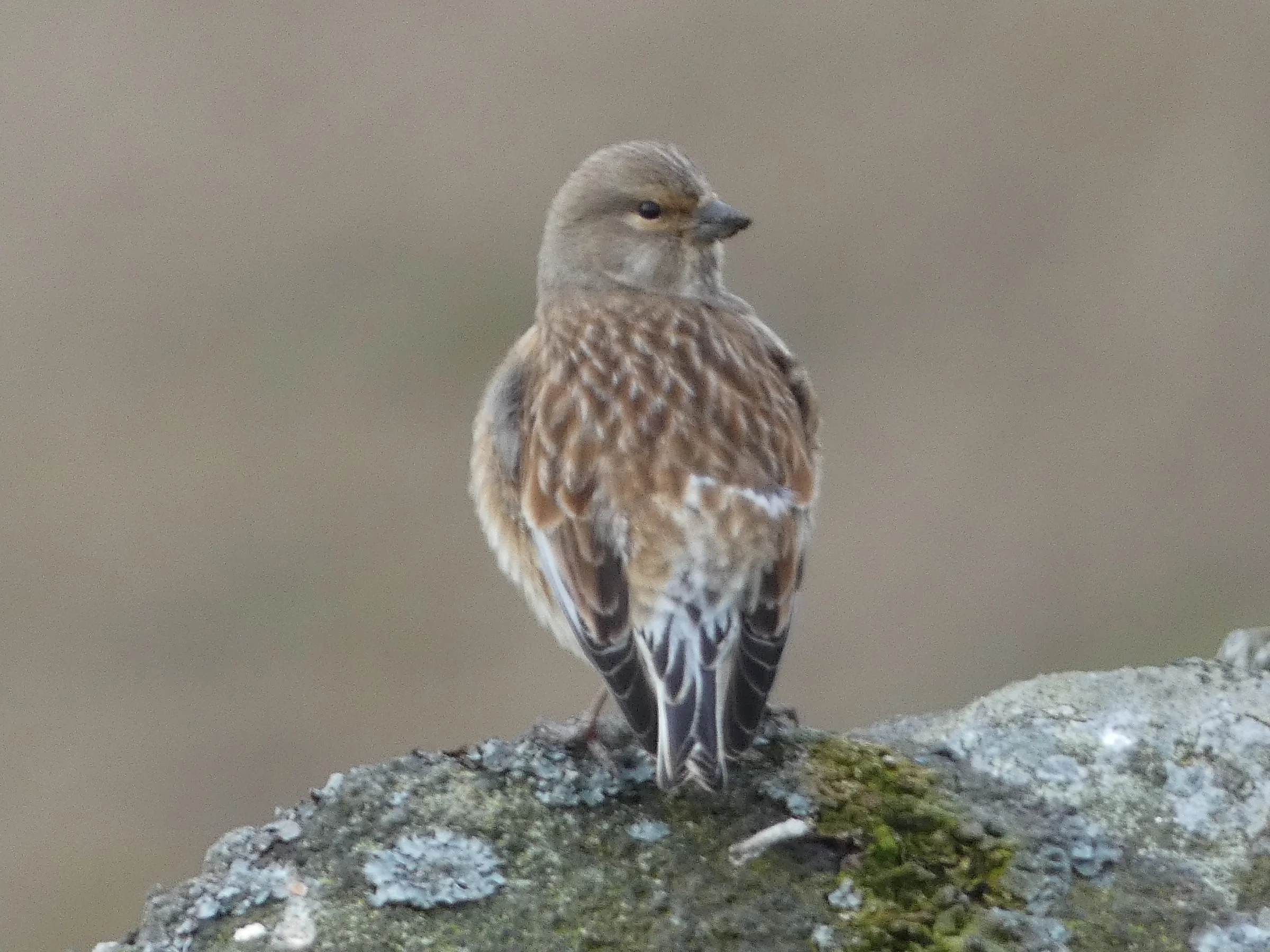
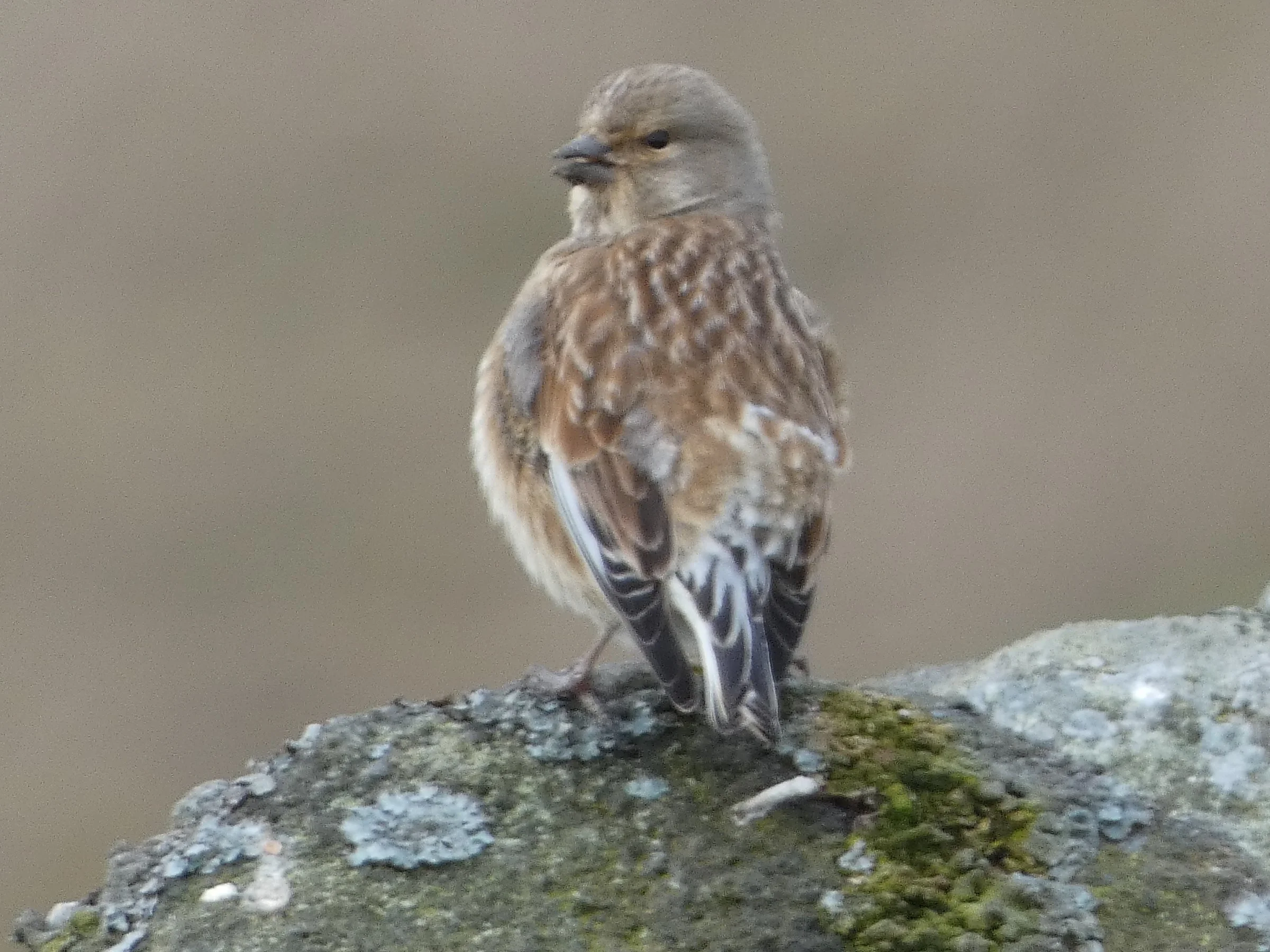
Male Linnet on the edge of Shackleton Moor. These birds have declined greatly in numbers in recent years and are now on the conservation Red List. Linnets are members of the finch family - as their beak indicates - and feed on insects and seeds.
8 April 2026
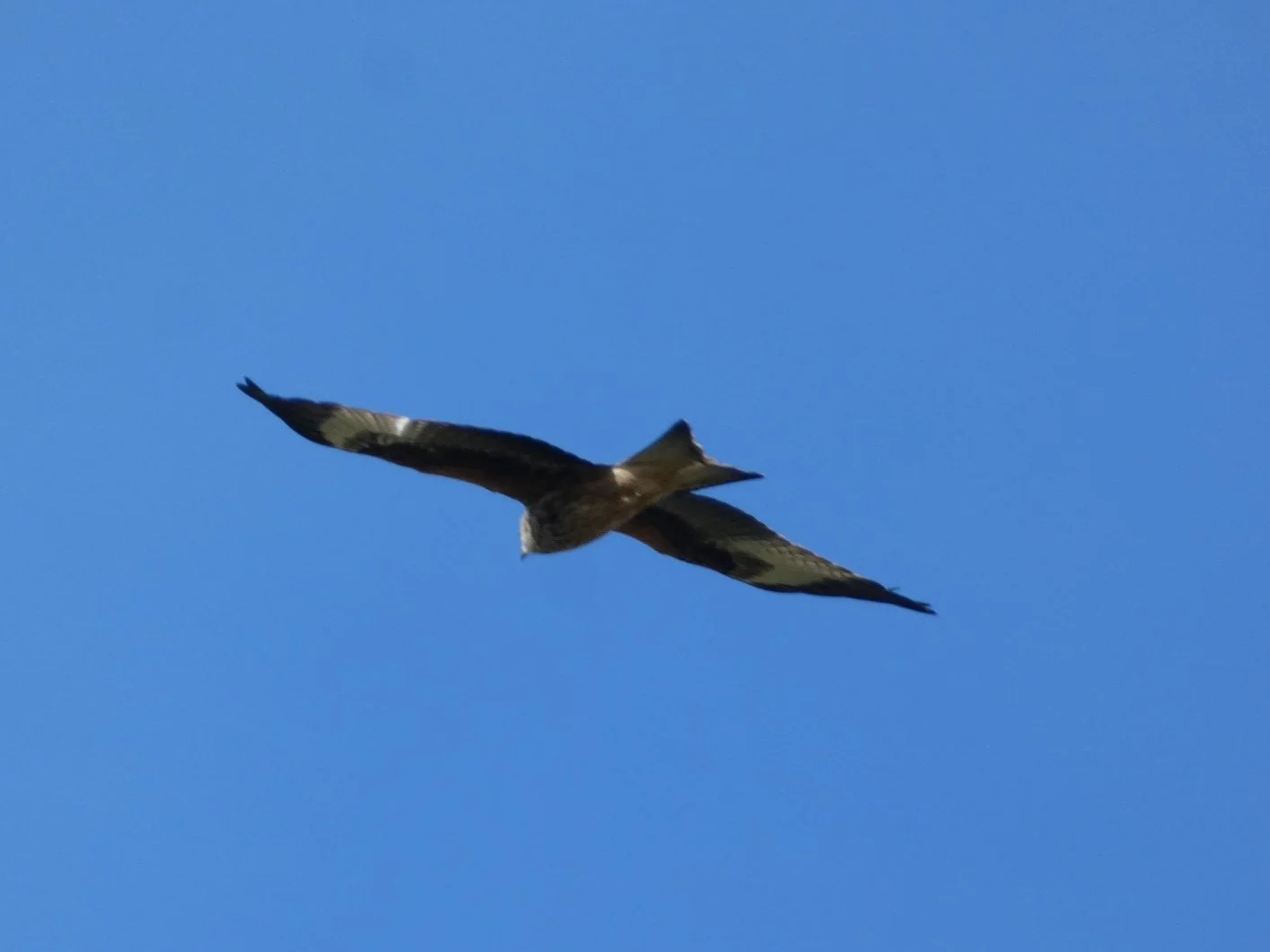
Red Kite soaring over Walshaw Moor above Hardcastle Crags in the mini heatwave just after Easter. The hot weather also brought out the Buzzards who regularly hunt over the moor. Good to see that the Northern Wheatears have returned to their customary summer nesting sites on the fringes of the moor.
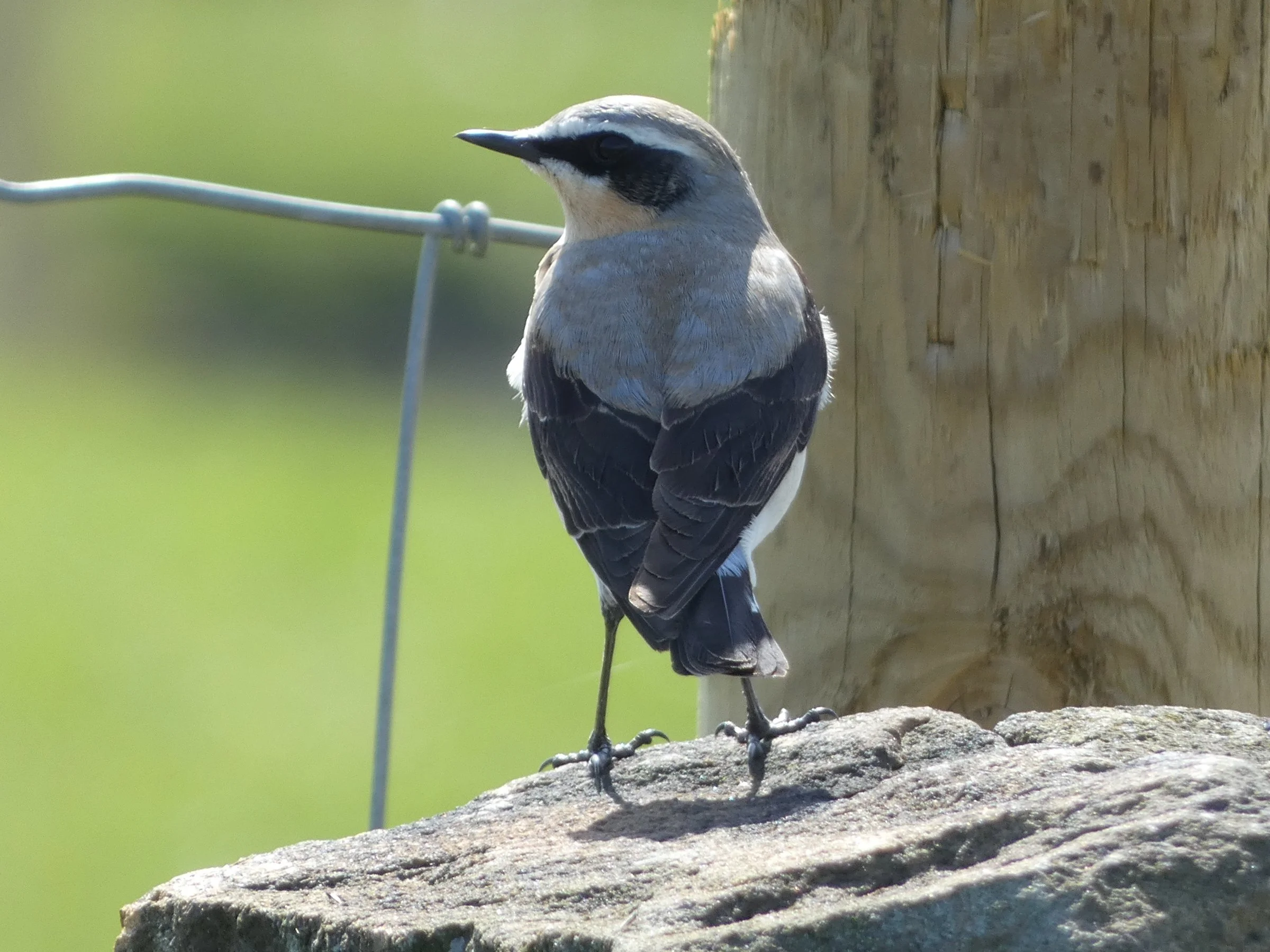
6 April 2026
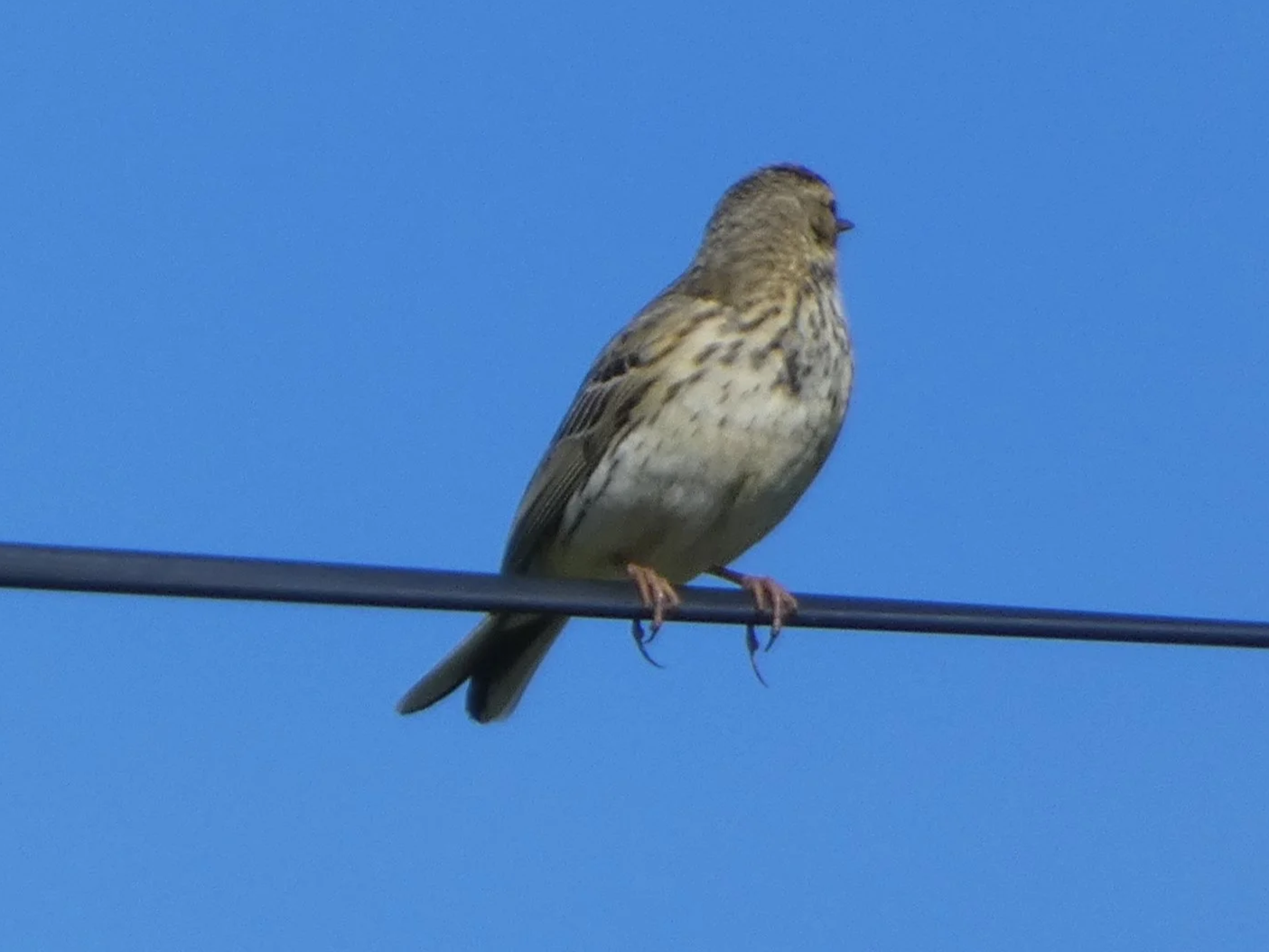
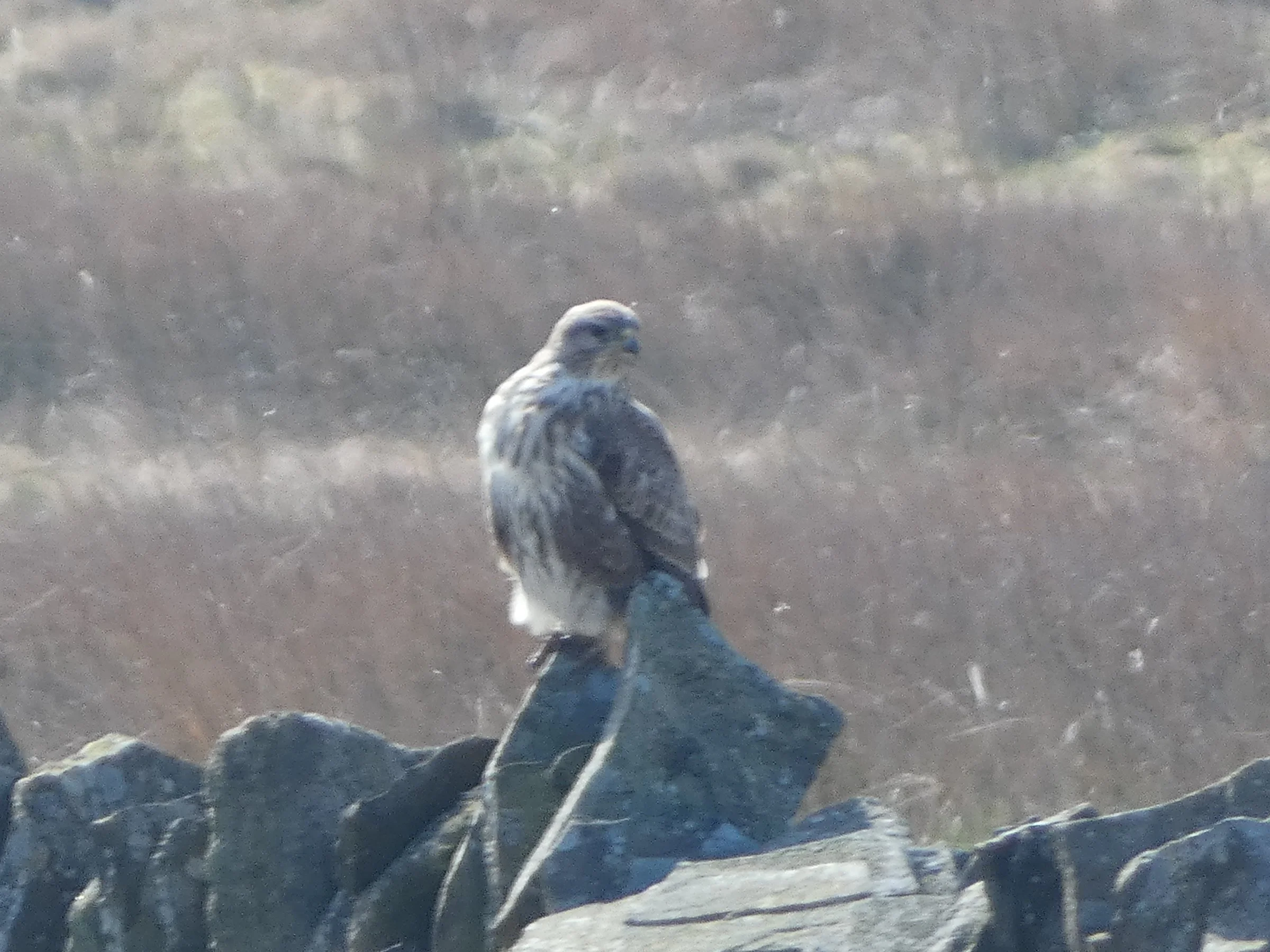
Siskin on Walshaw Moor above Hardcastle Crags, spotted in the vicinity of a conifer plantation which provides their food. Grey Wagtails are back from their winter migration on Alcomden Water in Blake Dean.
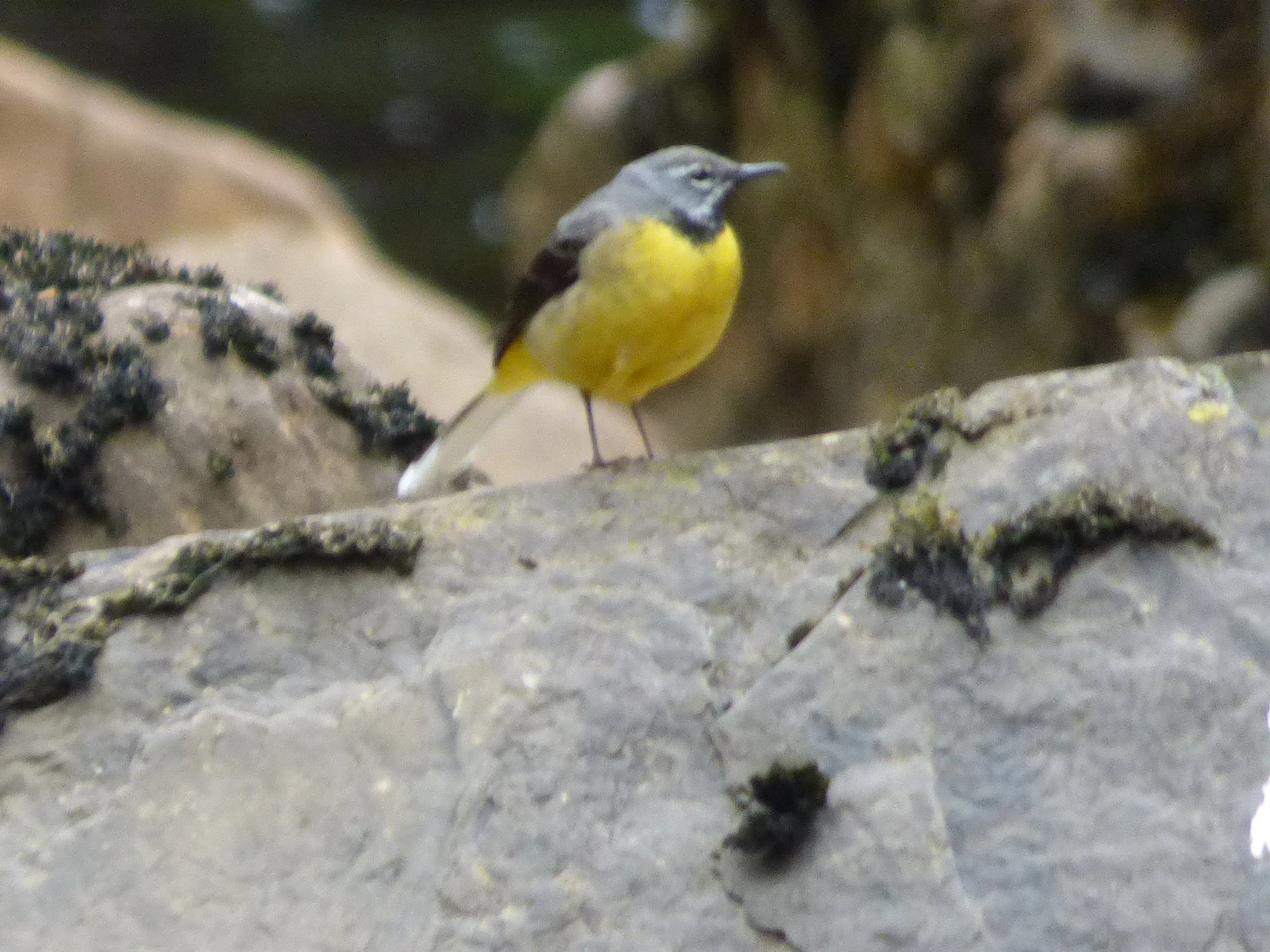
4 April 2026
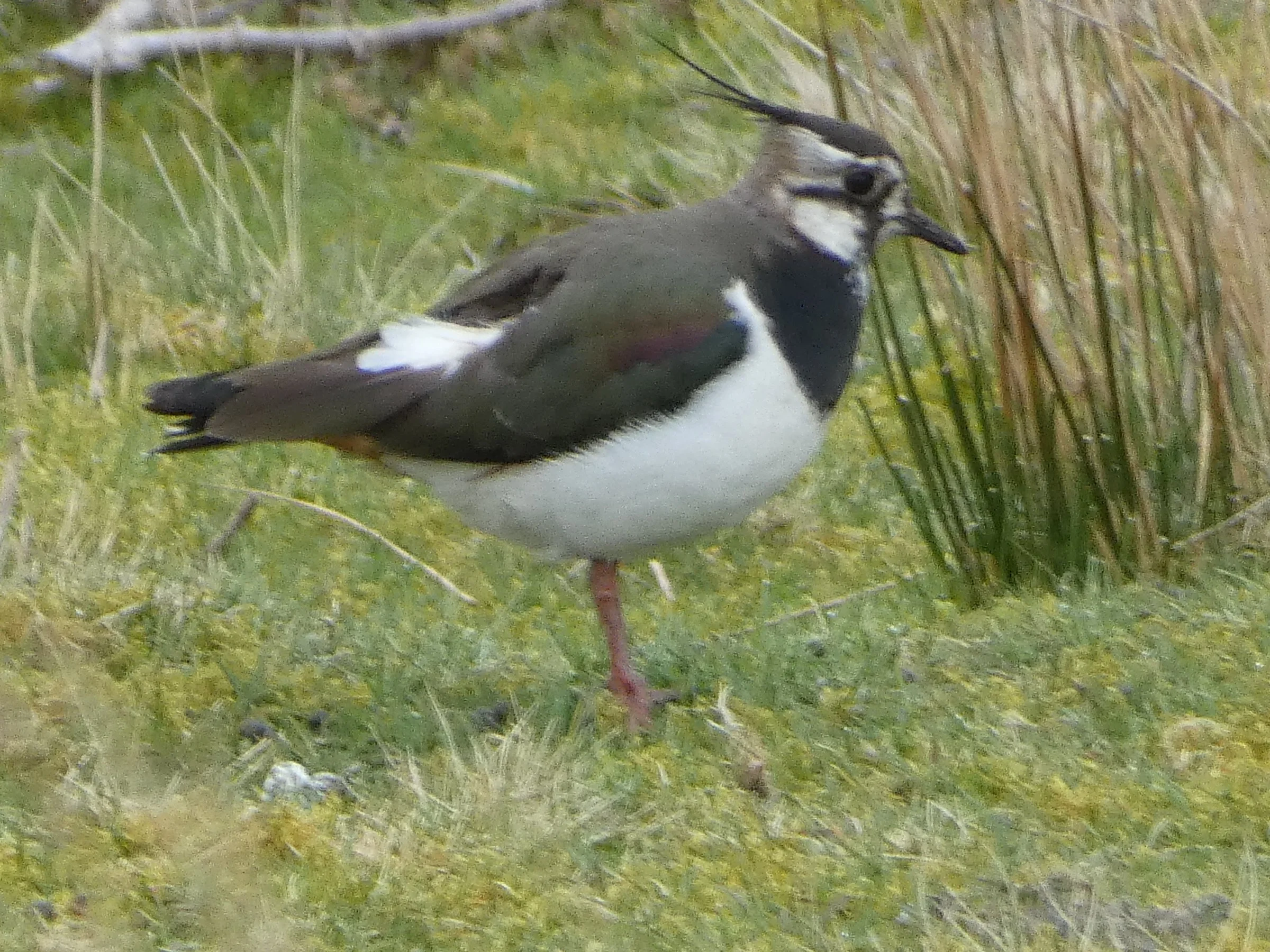
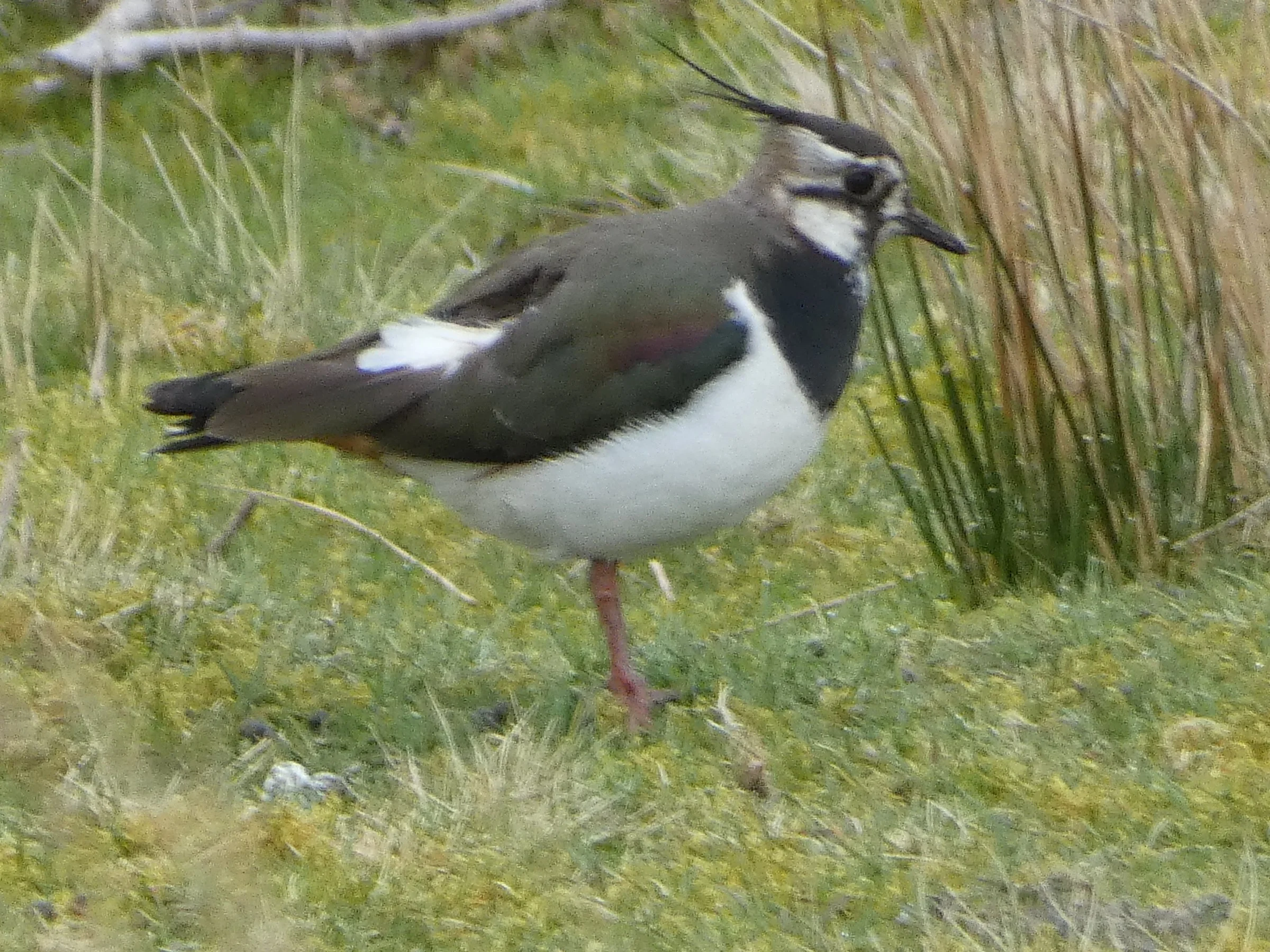
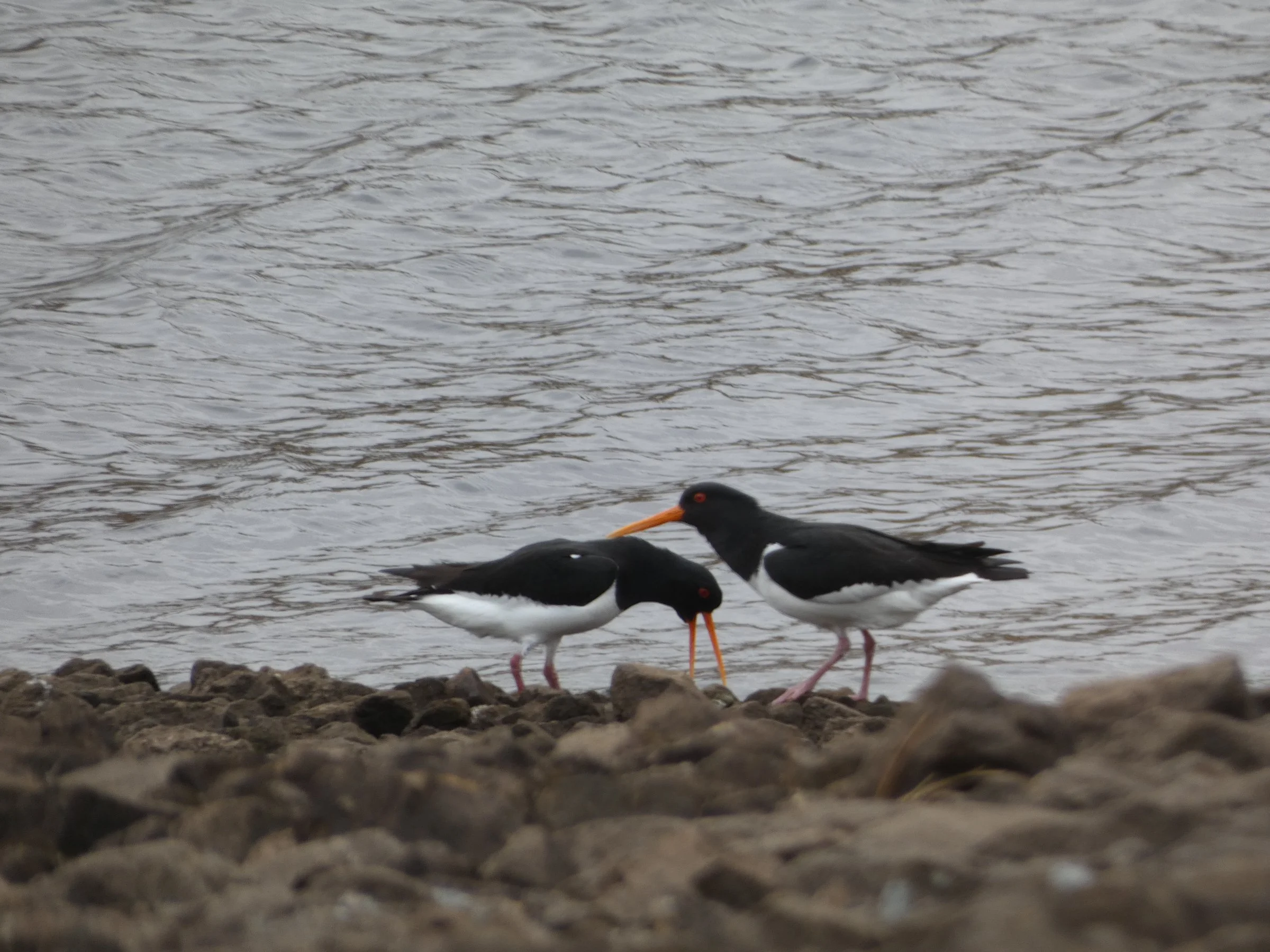
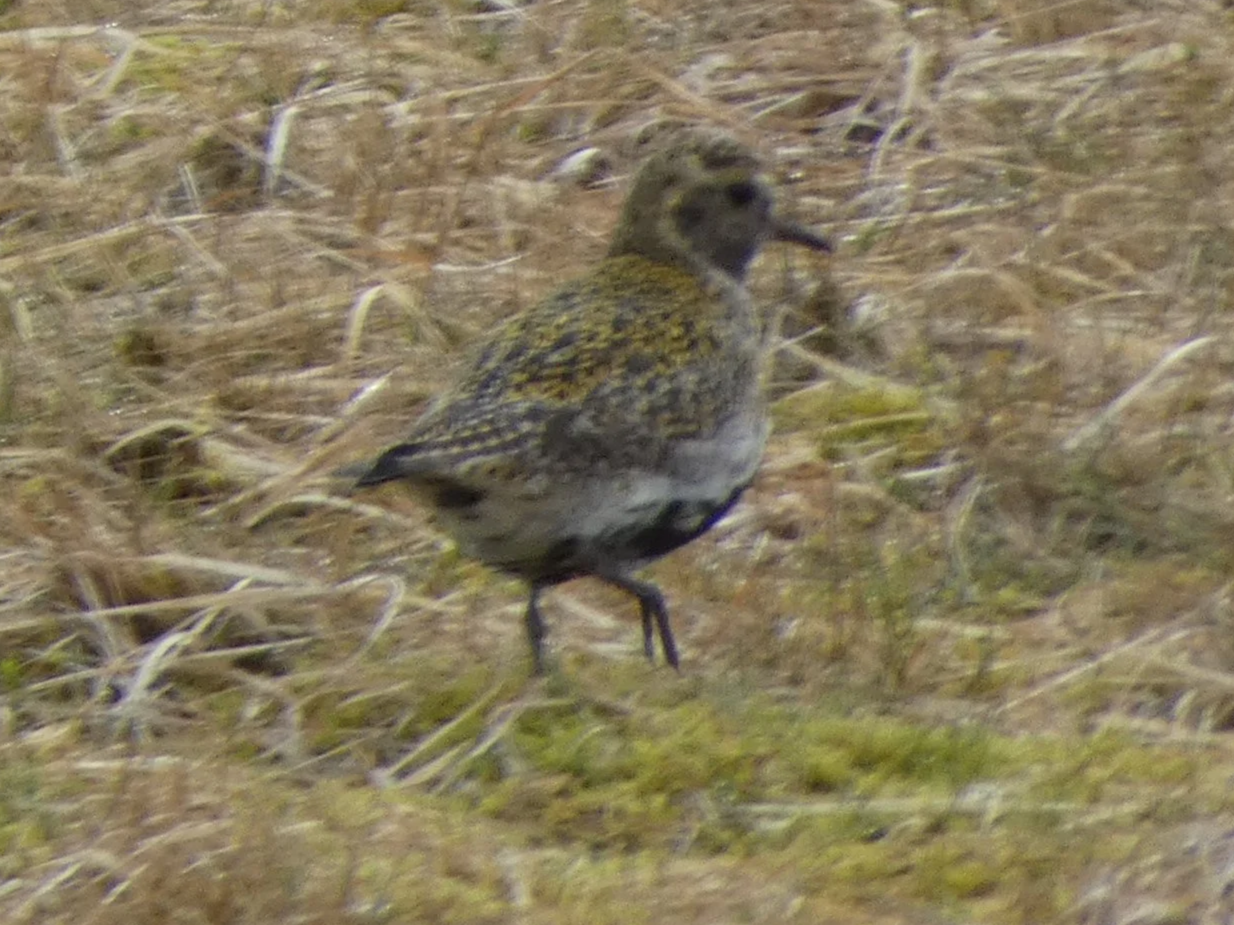
Lots of Lapwings on the moor above Lower Walshaw Dean Reservoir, one of their favoured nesting sites. The three reservoirs are also popular with Oystercatchers - around 30 seen there today. Less easy to spot are the Golden Plovers on the highest part of moor en route to Walshaw, but all the more rewarding to photograph as a result.
30 March 2026
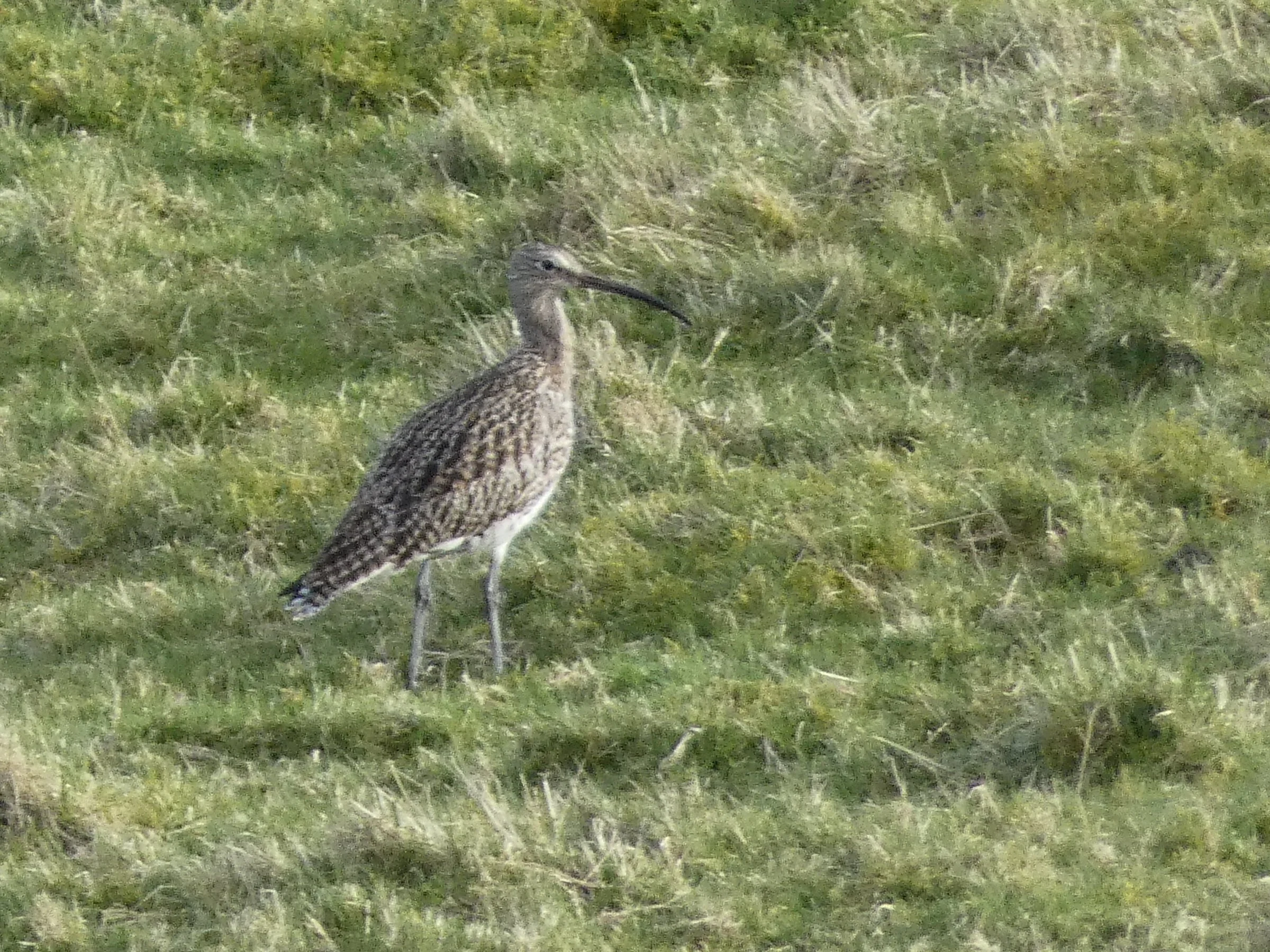
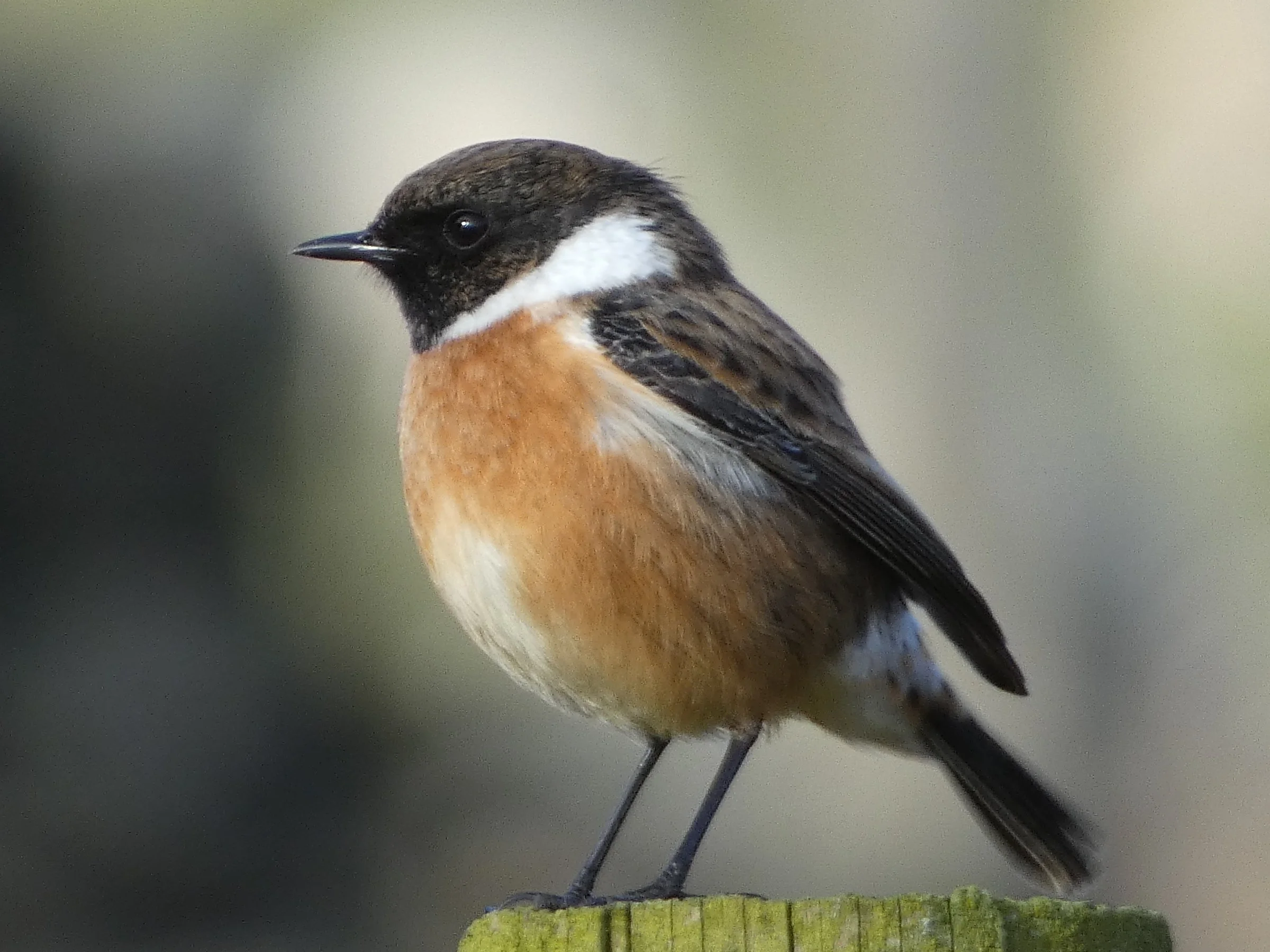
Lots of Curlews feeding and nesting on Walshaw Moor above Crimsworth Dean. Stonechats have also returned to the upper end of the valley, and Dippers are flitting about on Grain Water, one of the many streams that run off the moor.
27 March 2026
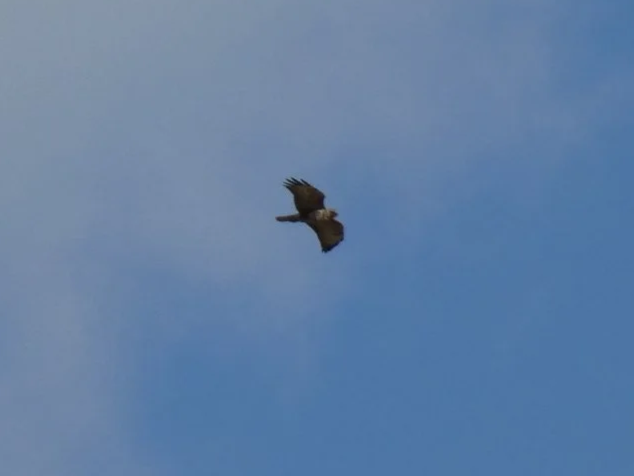
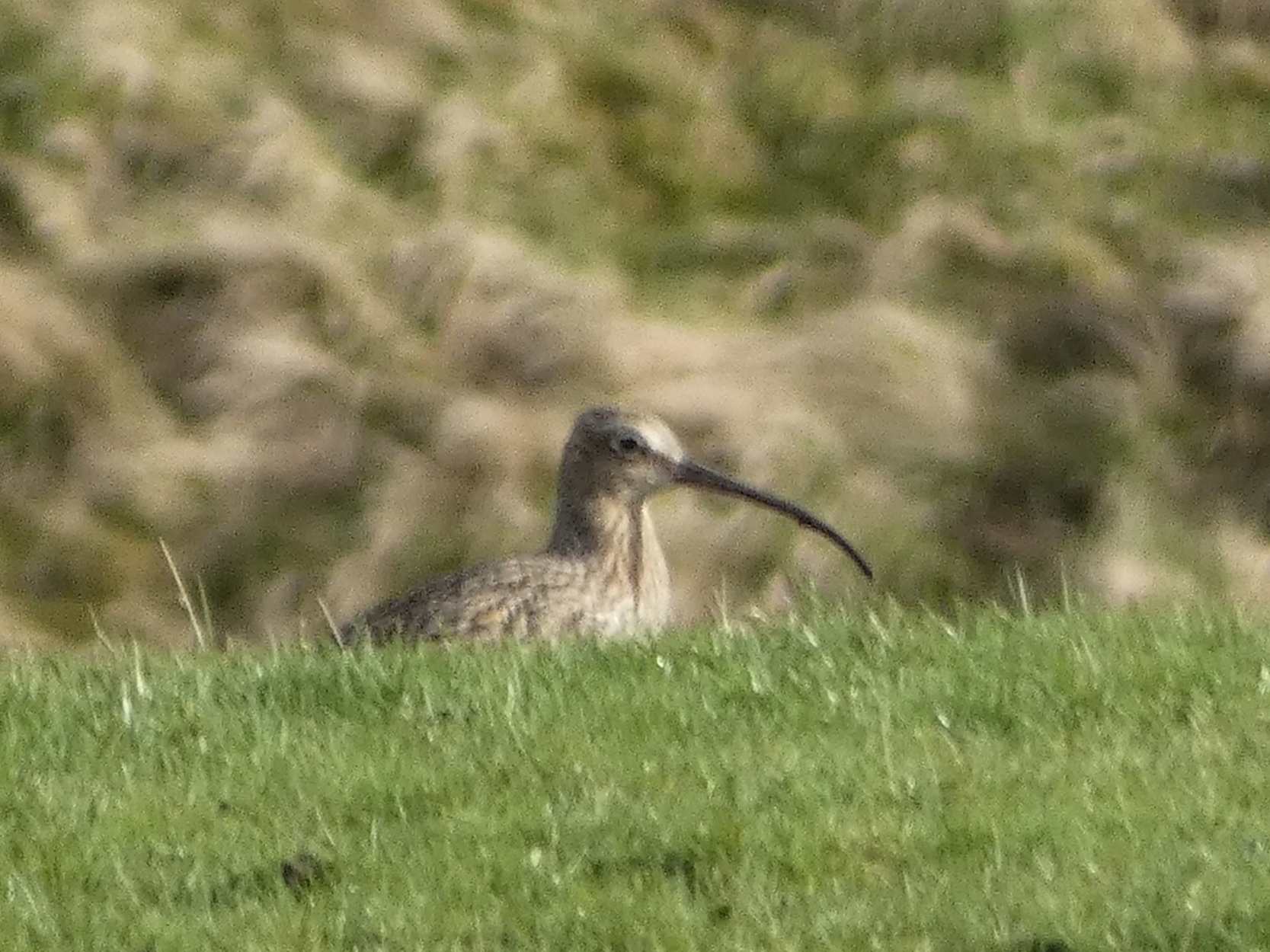
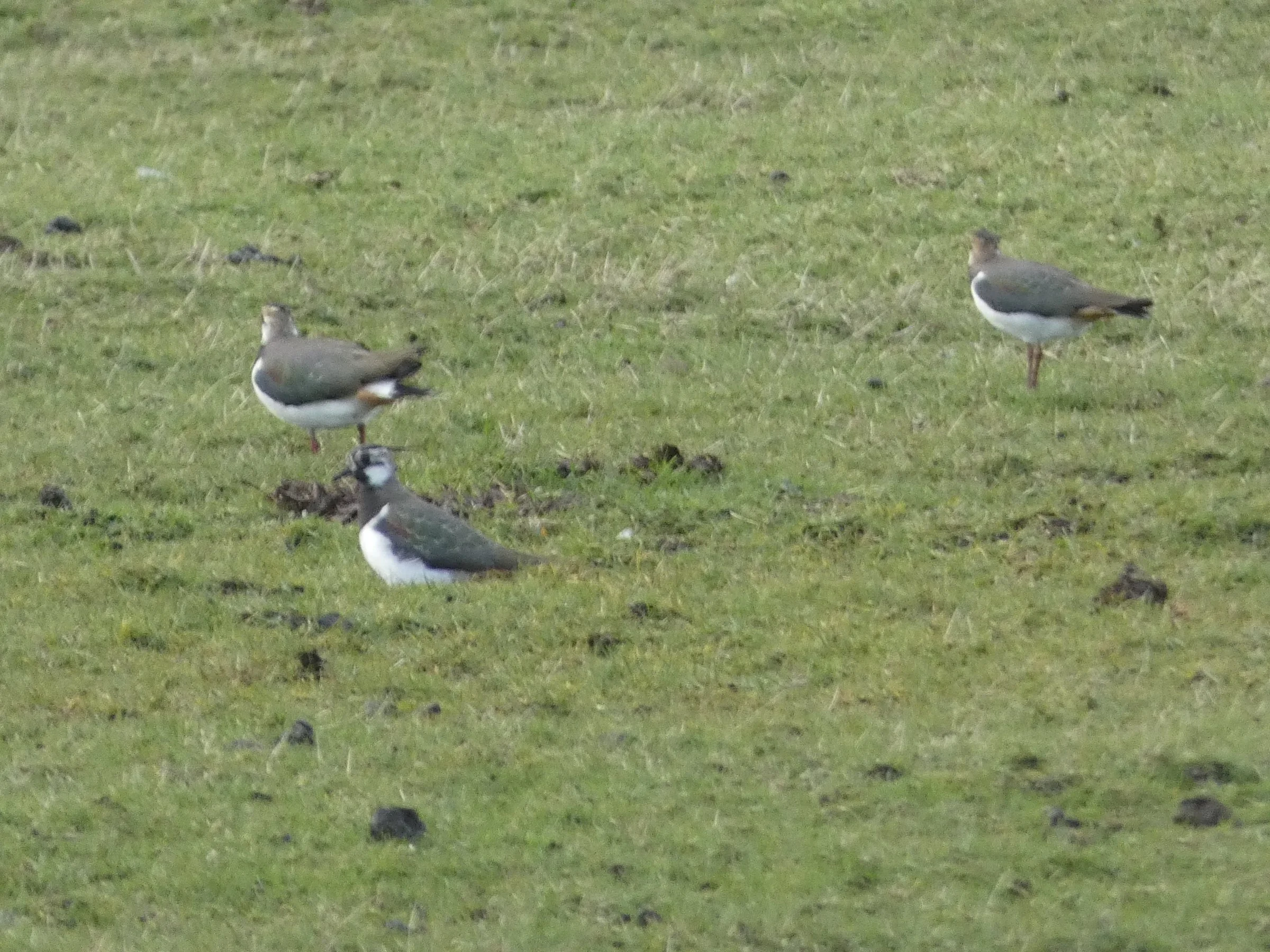
Sparrowhawk hunting over Walshaw Moor at far end of Crimsworth Dean in the late afternoon sunshine. A charm of Goldfinches on the fringes of the moor. Large numbers of Curlews and Lapwings grazing on the rough pasture of Walshaw Moor.
26 March 2026
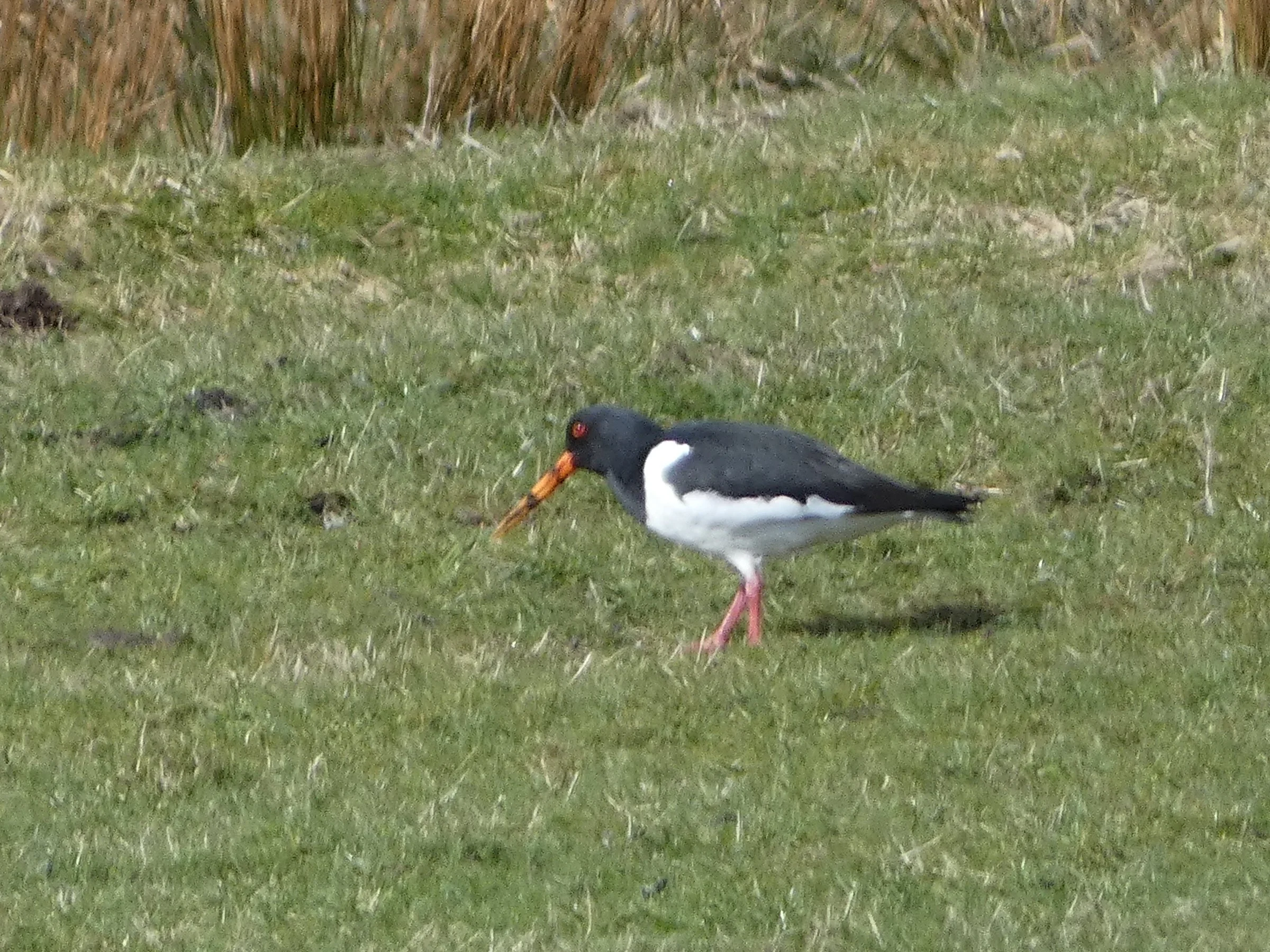
Four Oystercatchers on Walshaw Moor above Hardcastle Crags. Flocks of Lapwings flying overhead and alighting to graze on the moor with the Curlews.
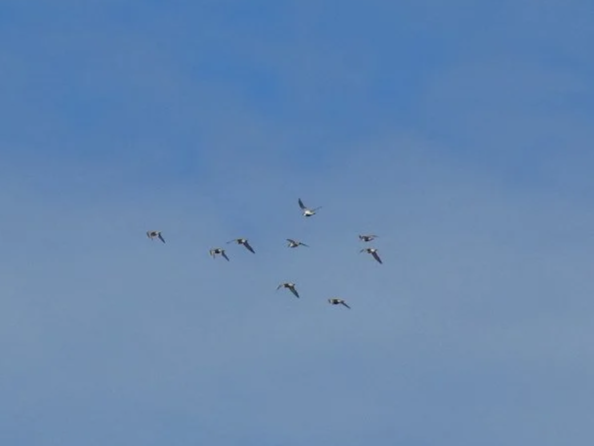
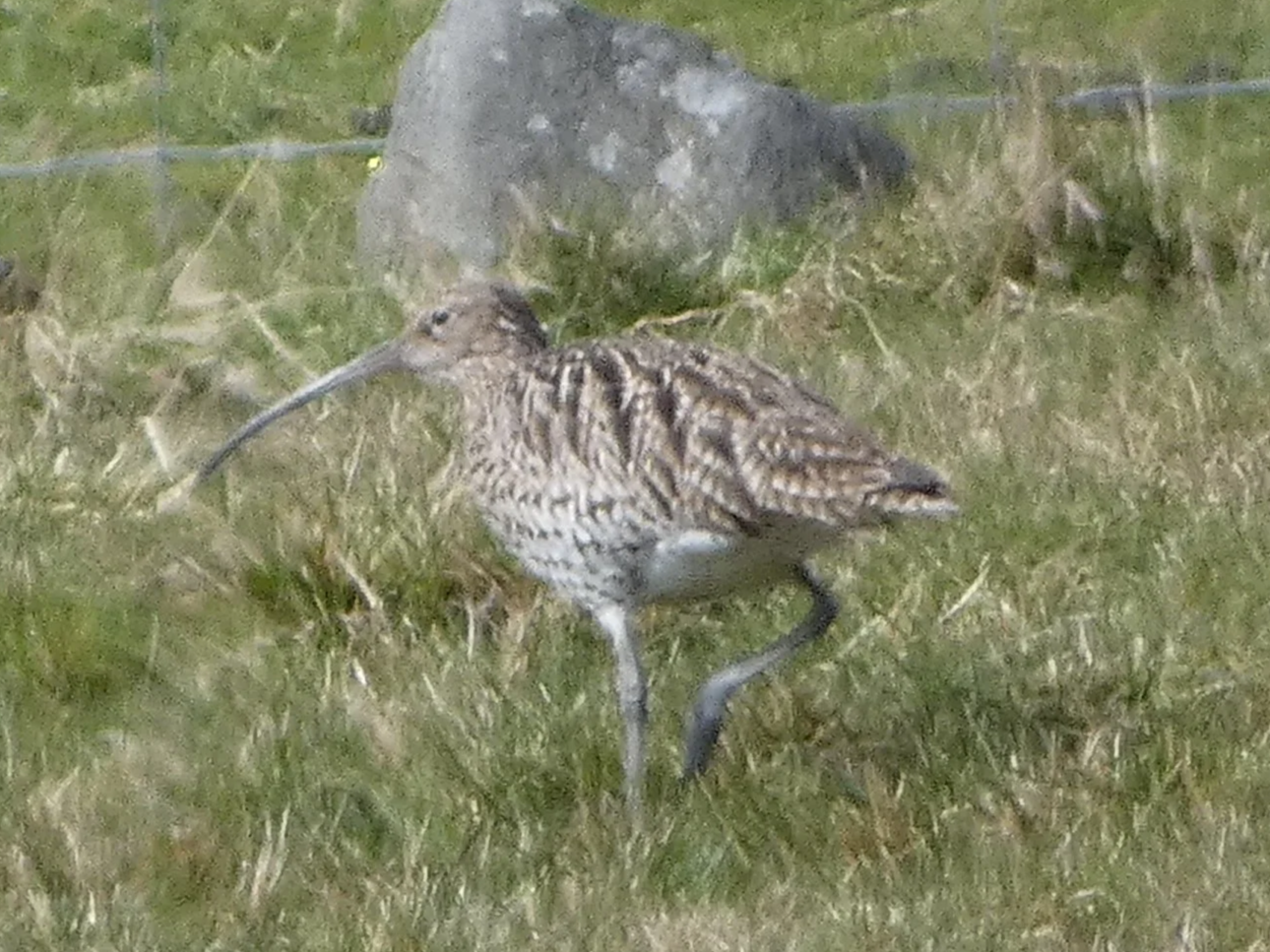
23 March 2026
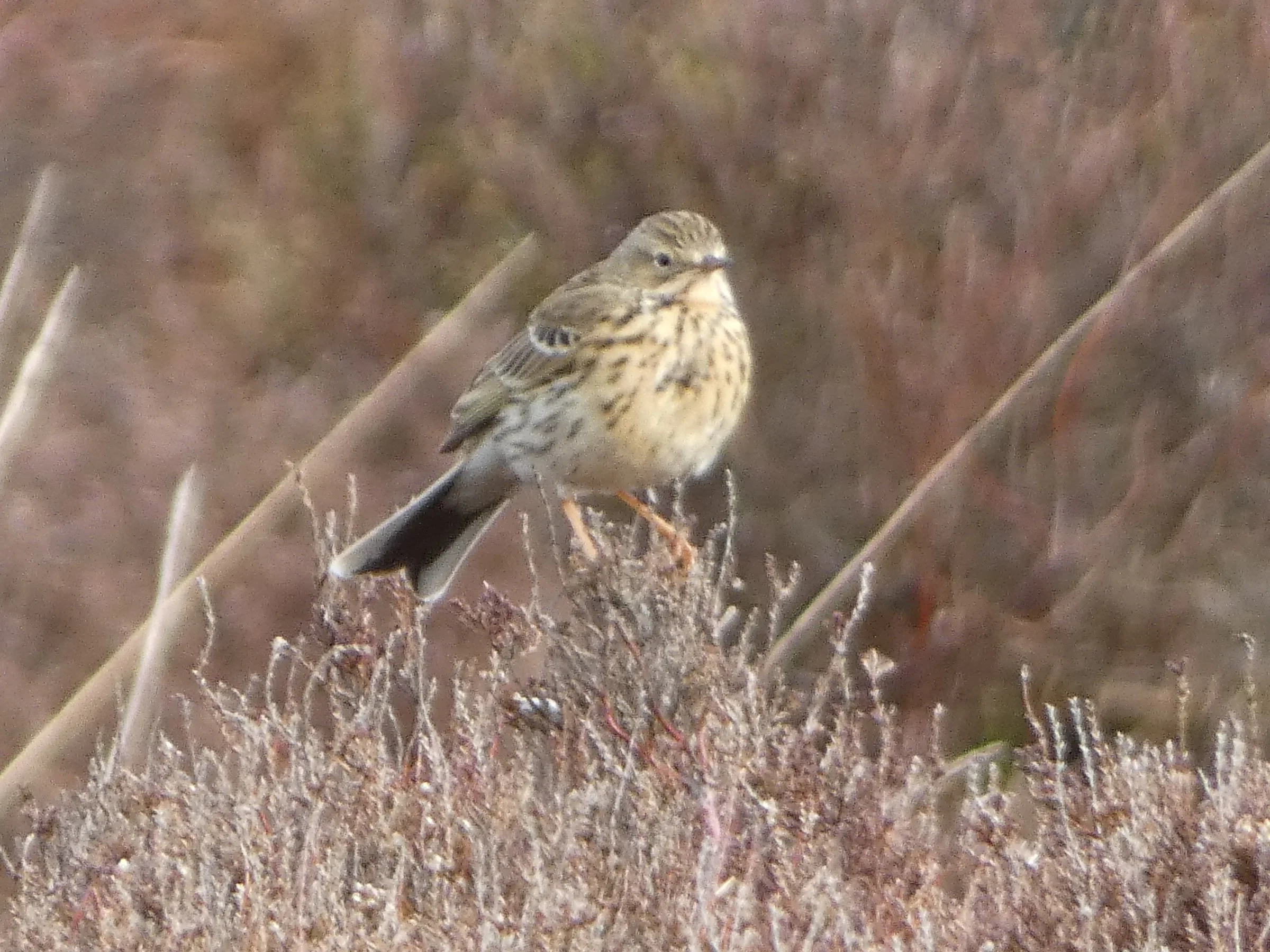
Meadow Pipit alighting on the heather on Shackleton Hill. Lots of Lapwings dipping and diving over the moor as they perform their energetic mating rituals.
17 March 2026
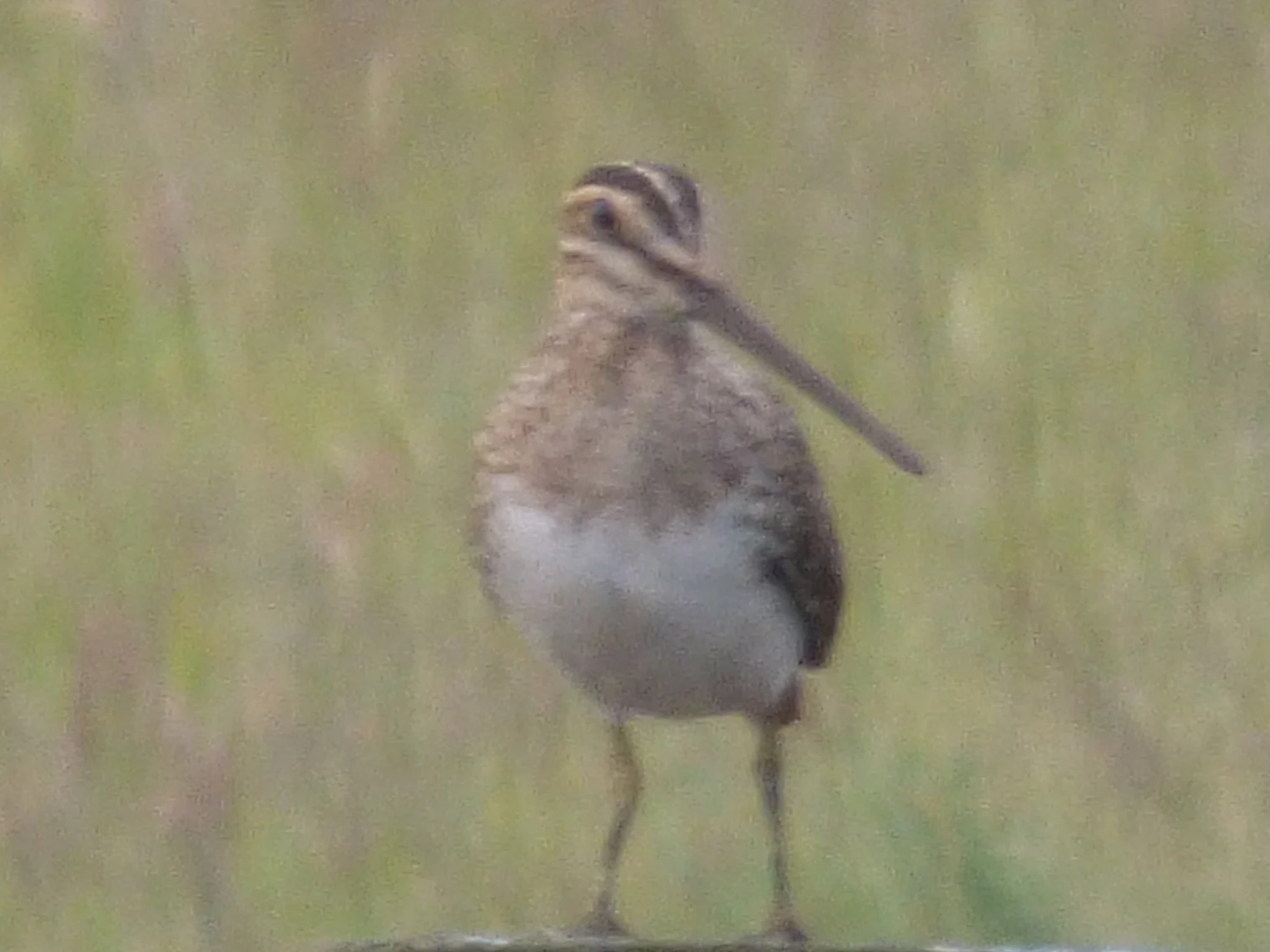
Snipes have now joined the Curlews and Lapwings on Walshaw Moor. Often not spotted close at hand until disturbed, their wuthering calls high above the moor are unmistakable.
10 March 2026
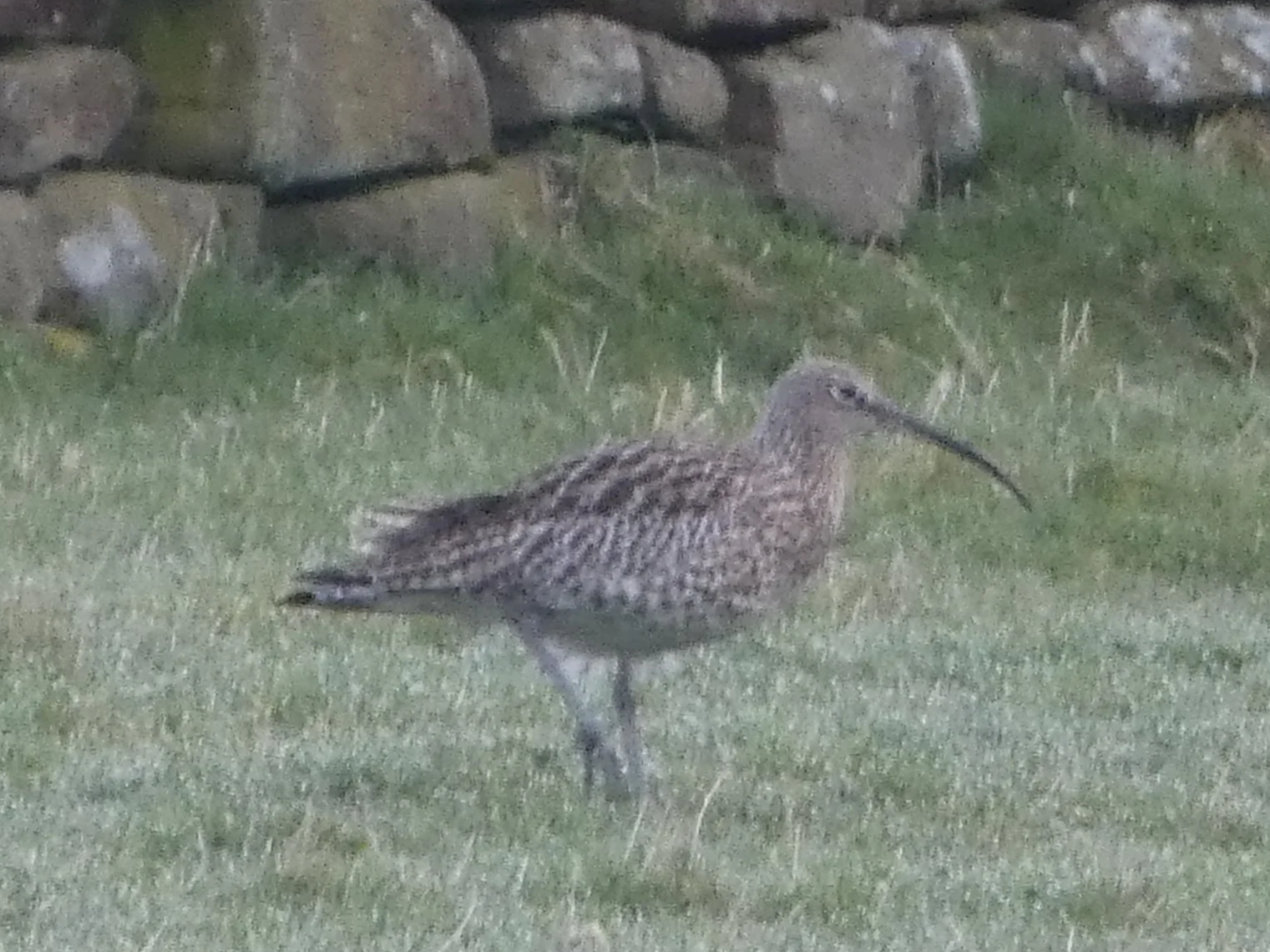
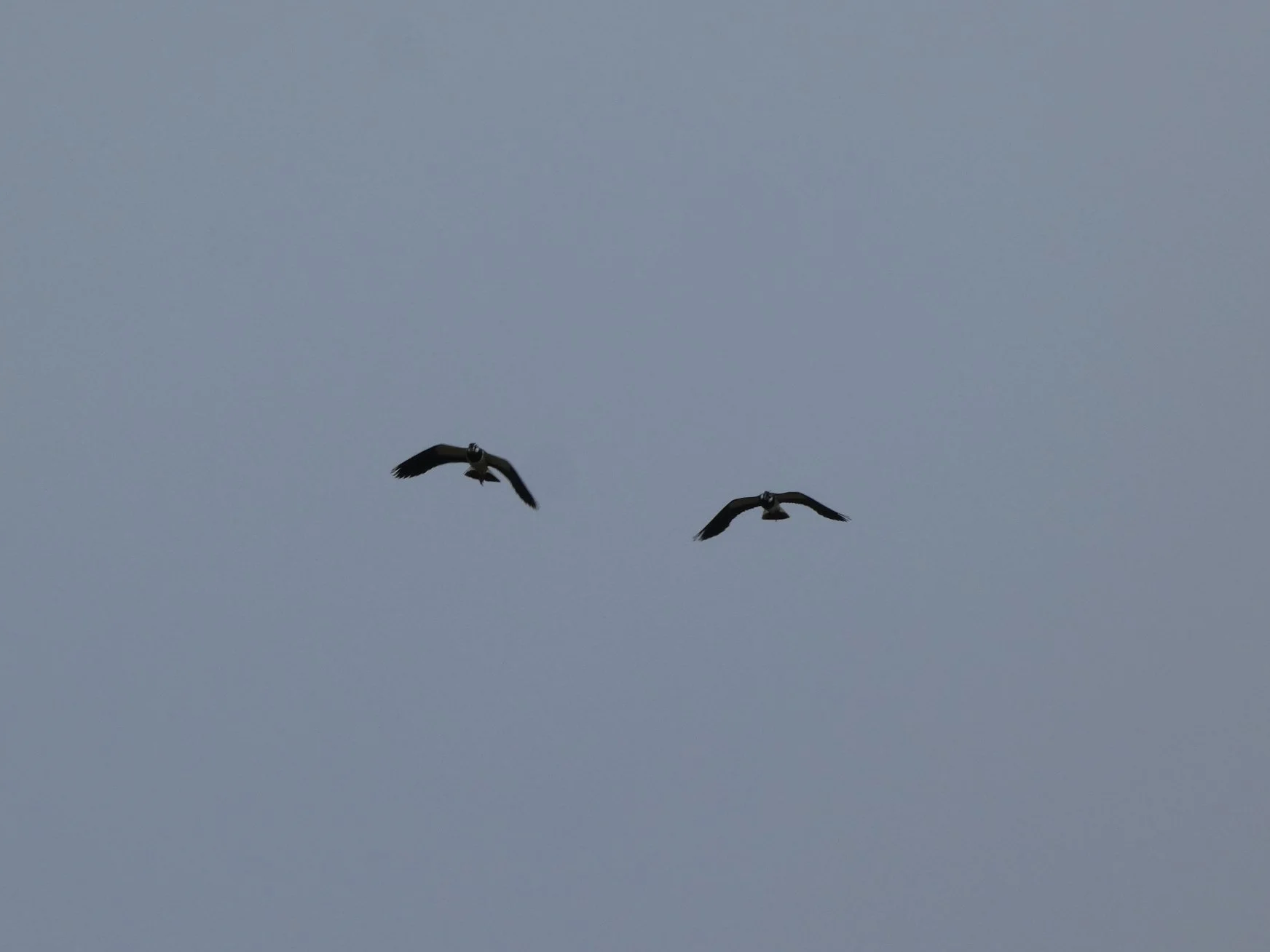
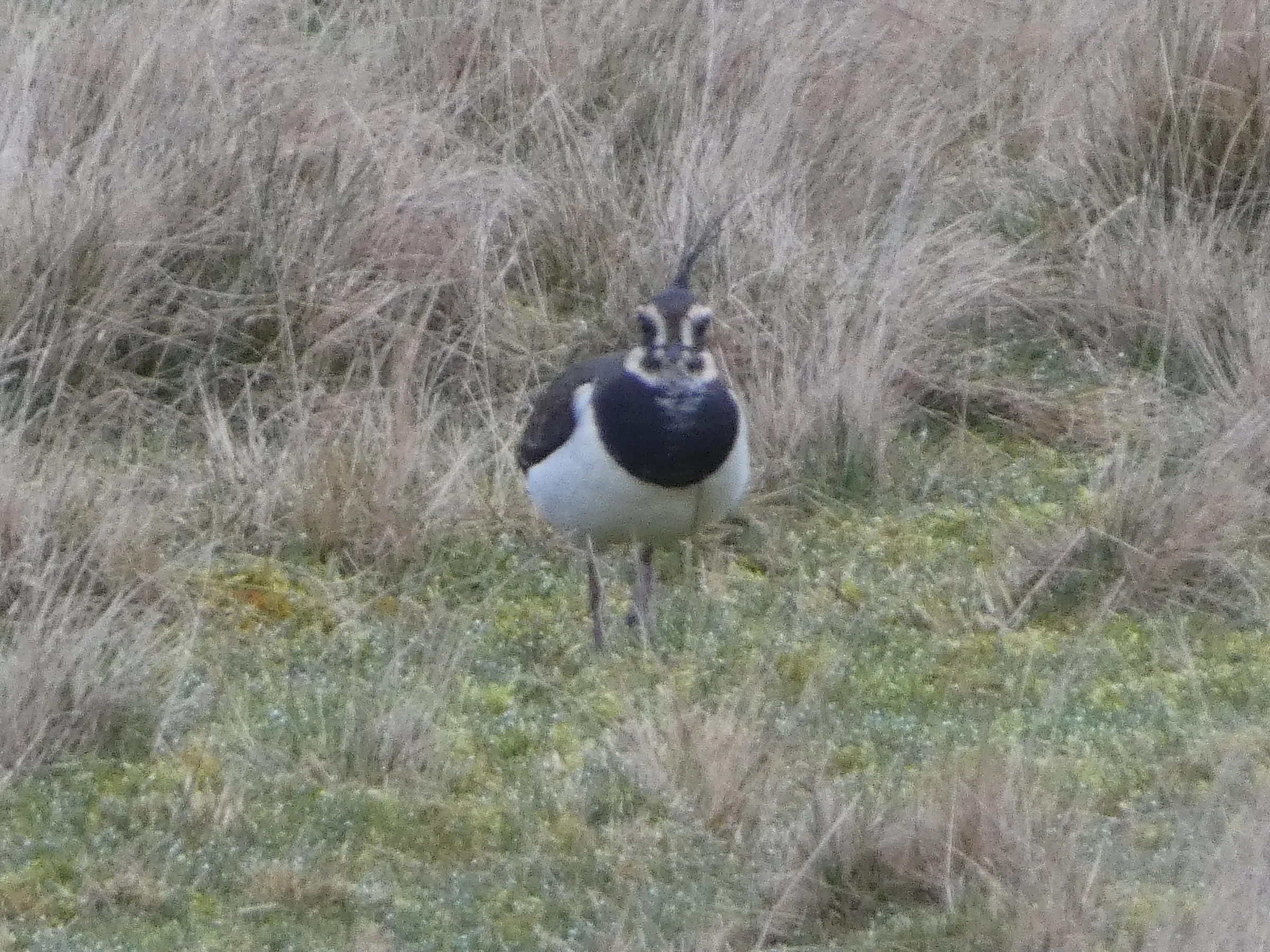
An astonishing number of Curlews and Lapwings on Walshaw Moor at the head of Crimsworth Dean this morning. Lapwings busy performing their aerial acrobatics and Curlews singing as they soar over the moor as the mating season begins in earnest.
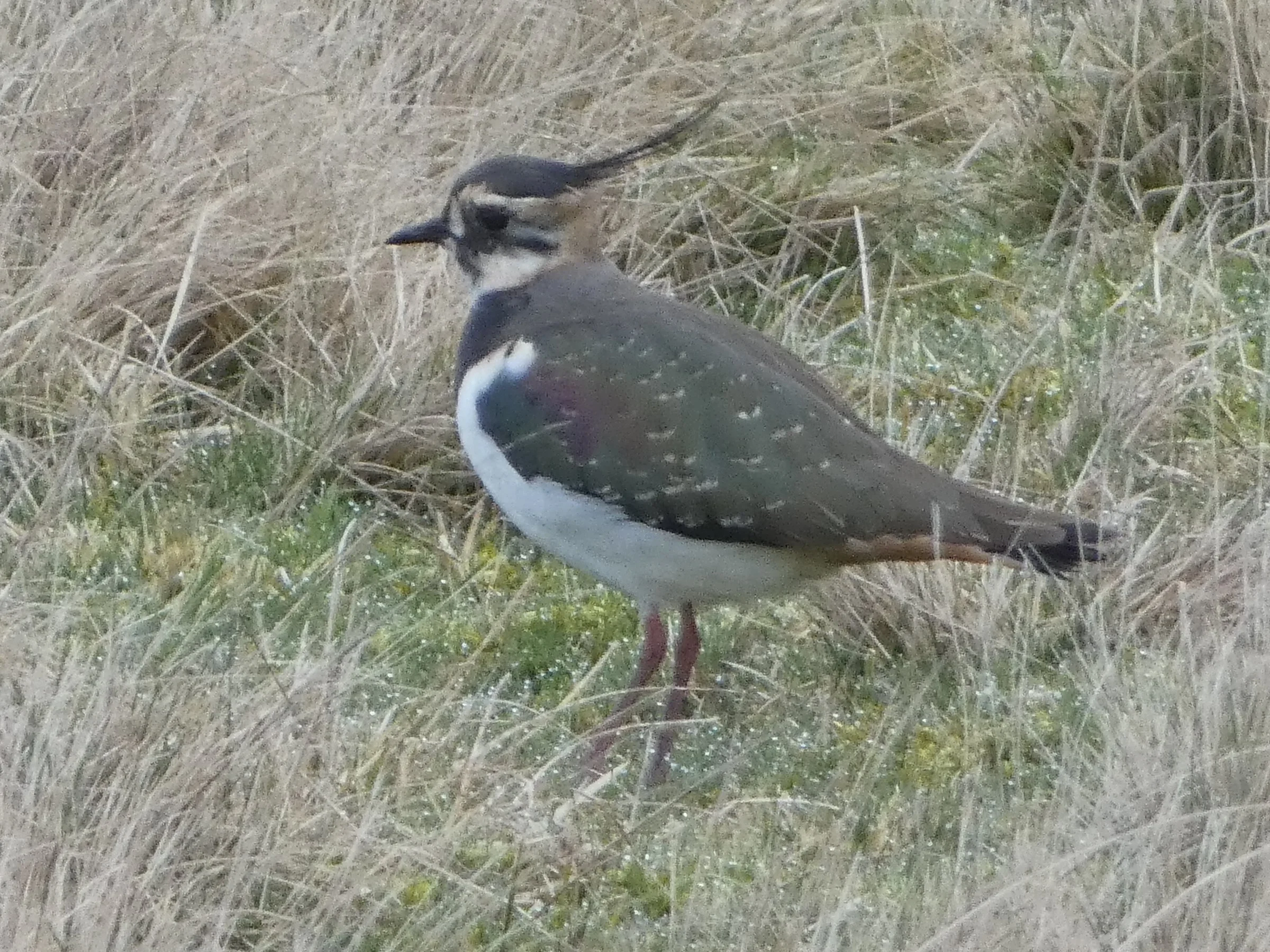
4 March 2026
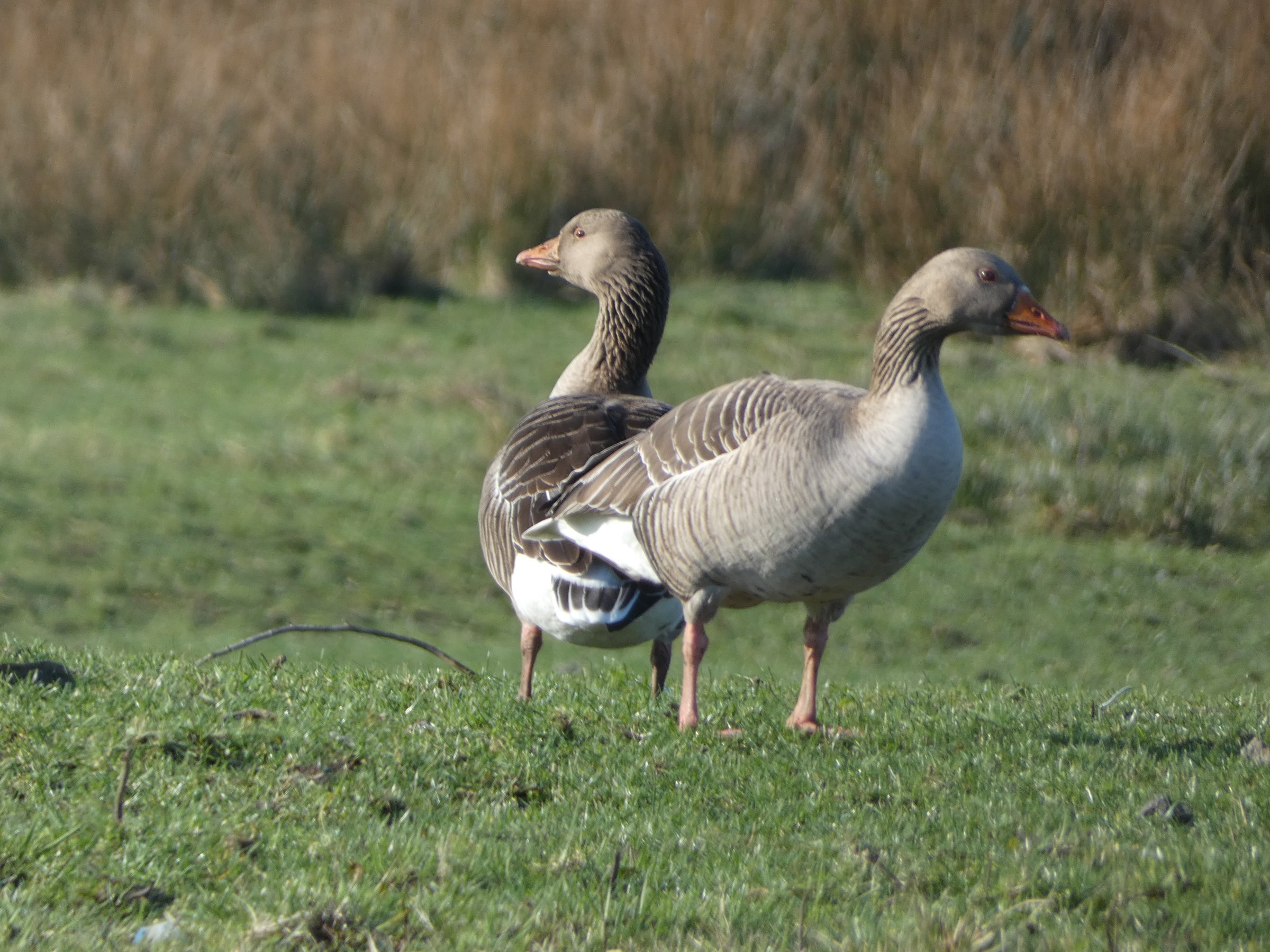
Walshaw Moor is getting busier by the day. Pink-footed Geese have arrived to breed Wadsworth Moor, joining the Curlews, Lapwings, Skylarks and Golden Plovers.
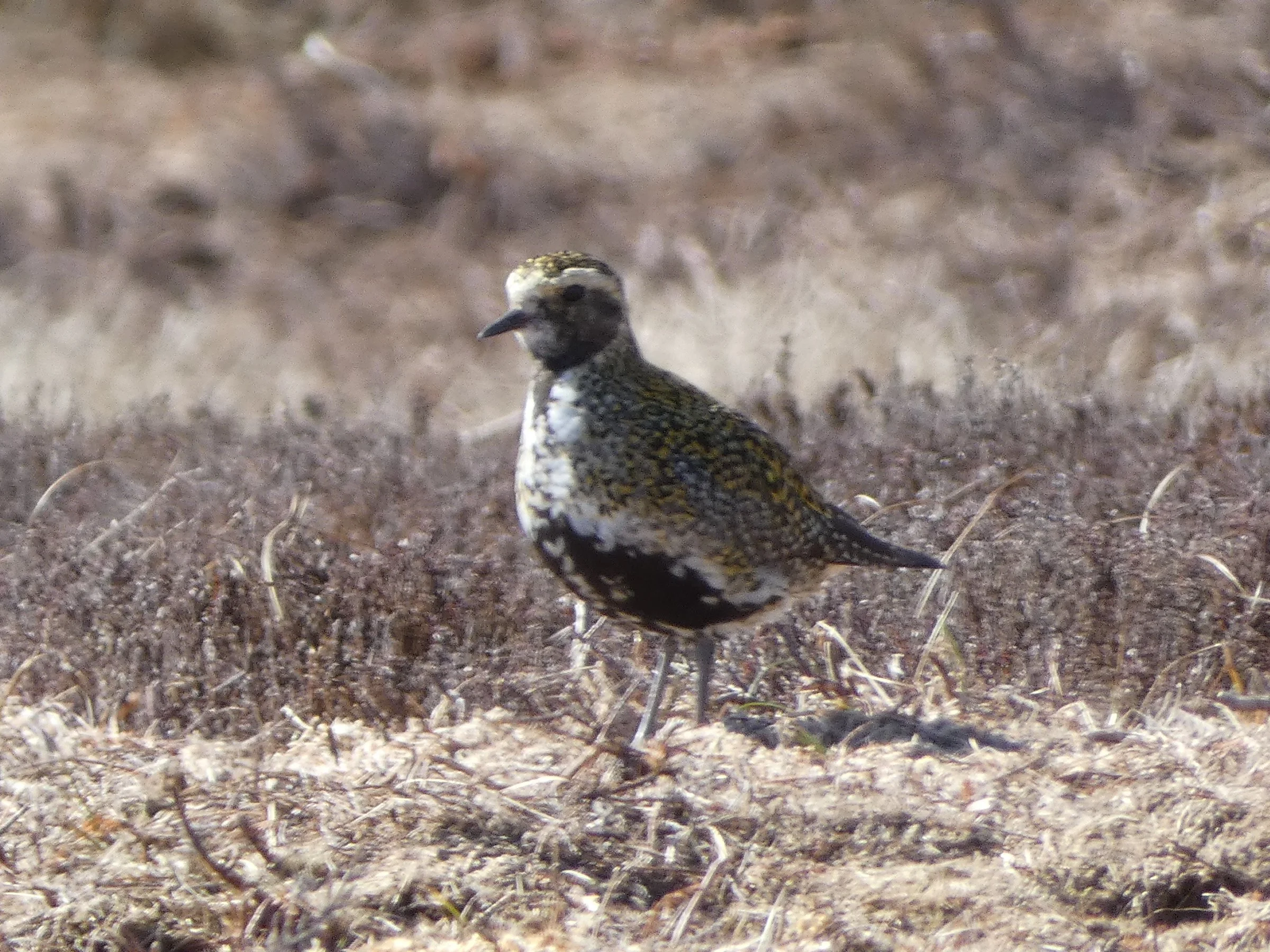
3 March 2026
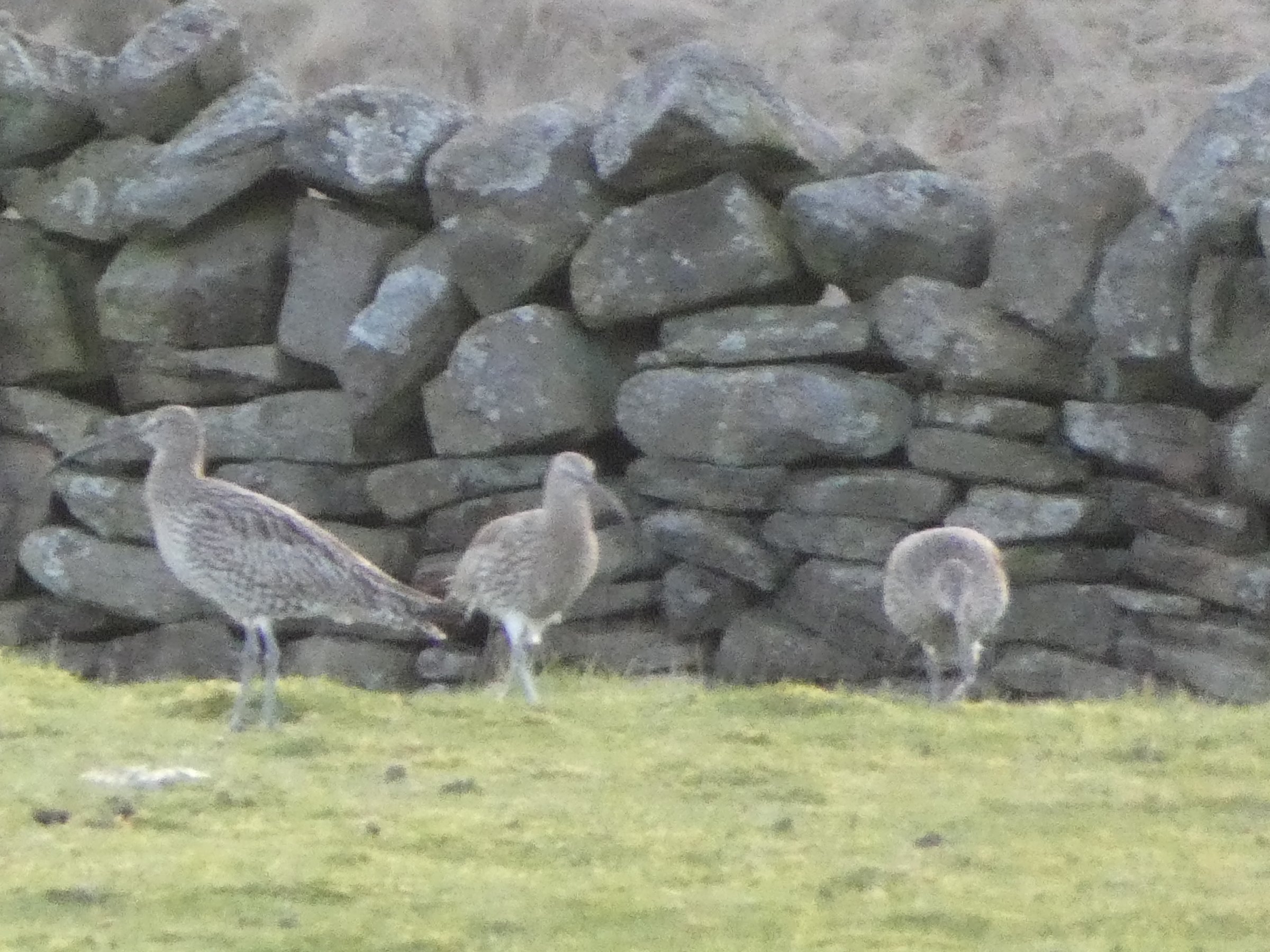
Increasing numbers of Curlews congregating in and around Crimsworth Dean, feeding on the rough pasture and breeding on Walshaw Moor. Four Buzzards wheeling overhead in the warm spring sunshine.
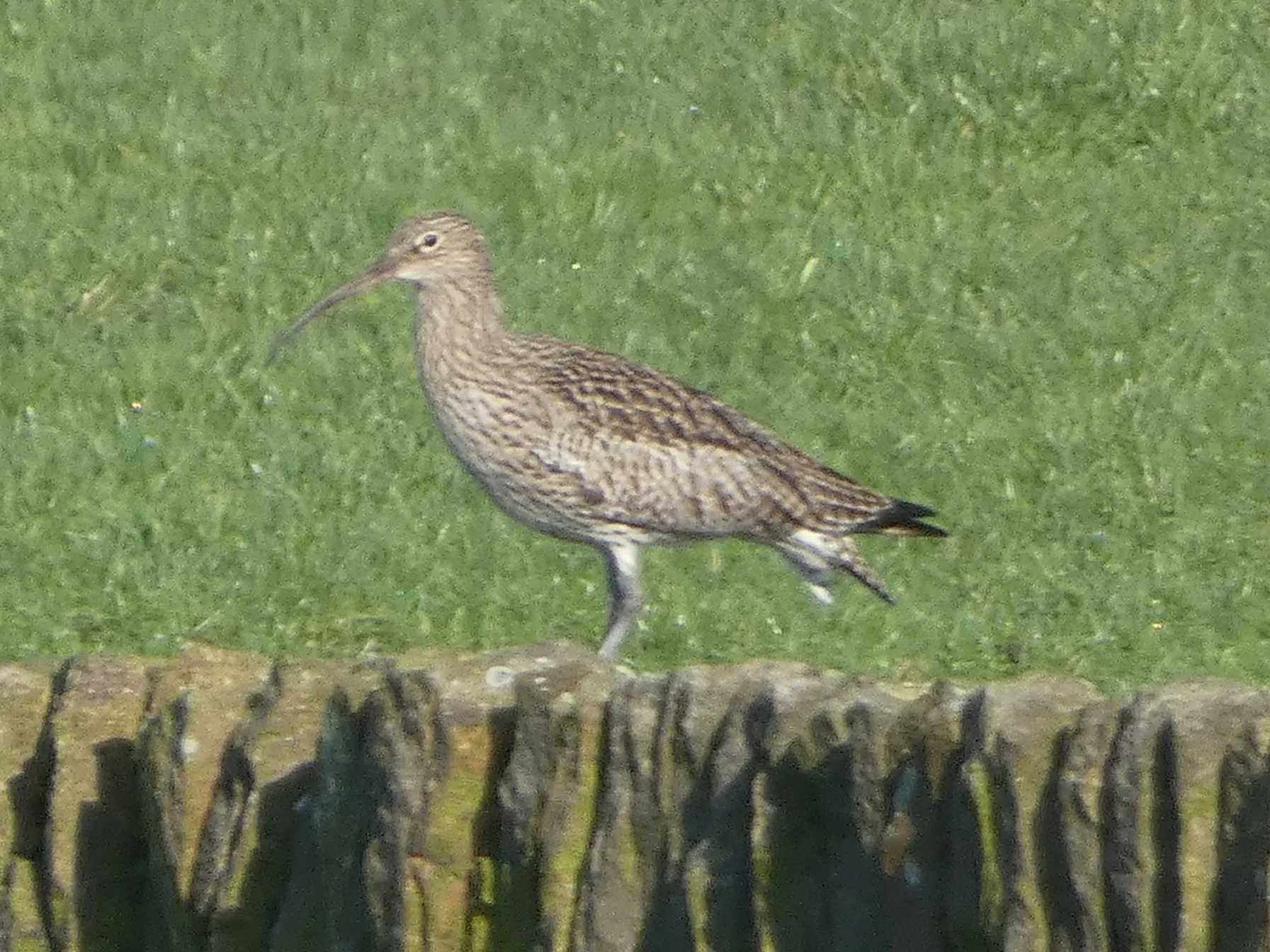
1 March 2026
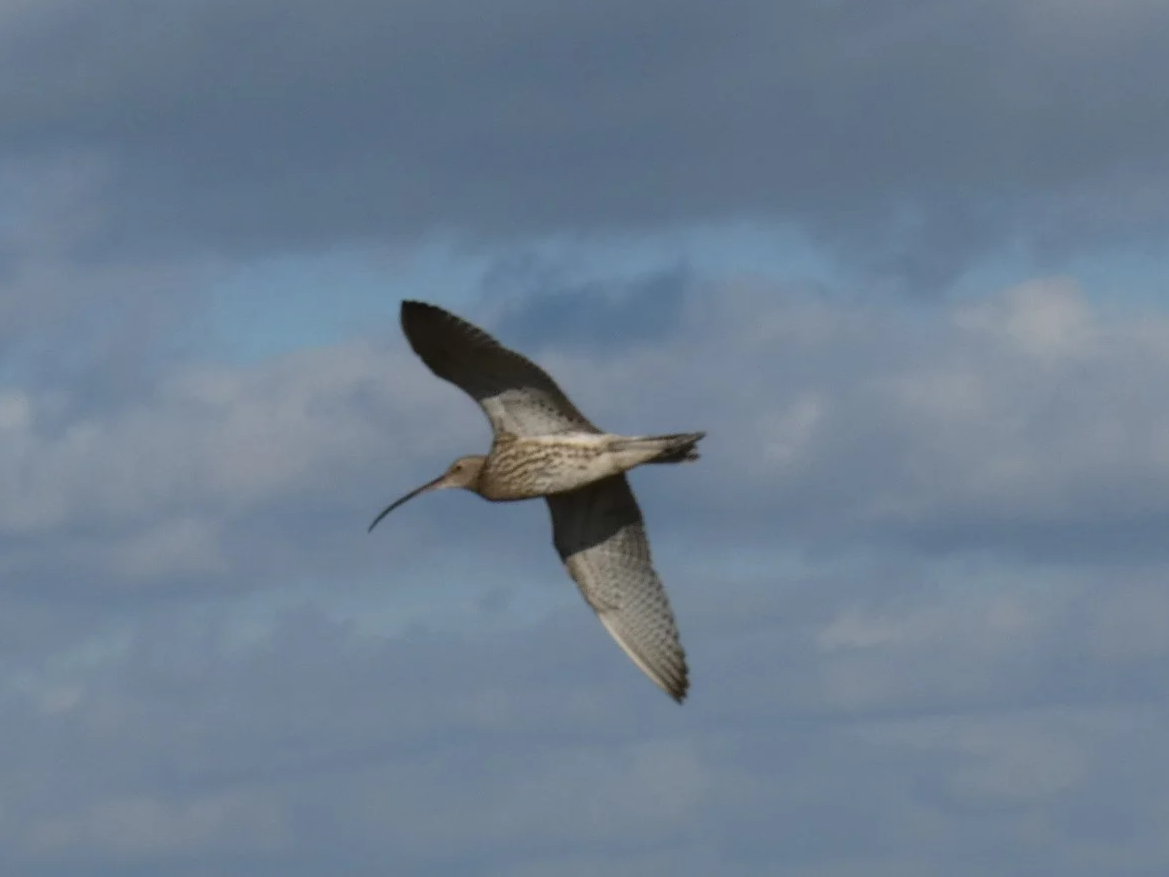
Numerous Curlews and Skylarks on Shackleton Moor this morning. A large flock of Lapwings flying overhead, heading for their breeding site on Walshaw Moor.
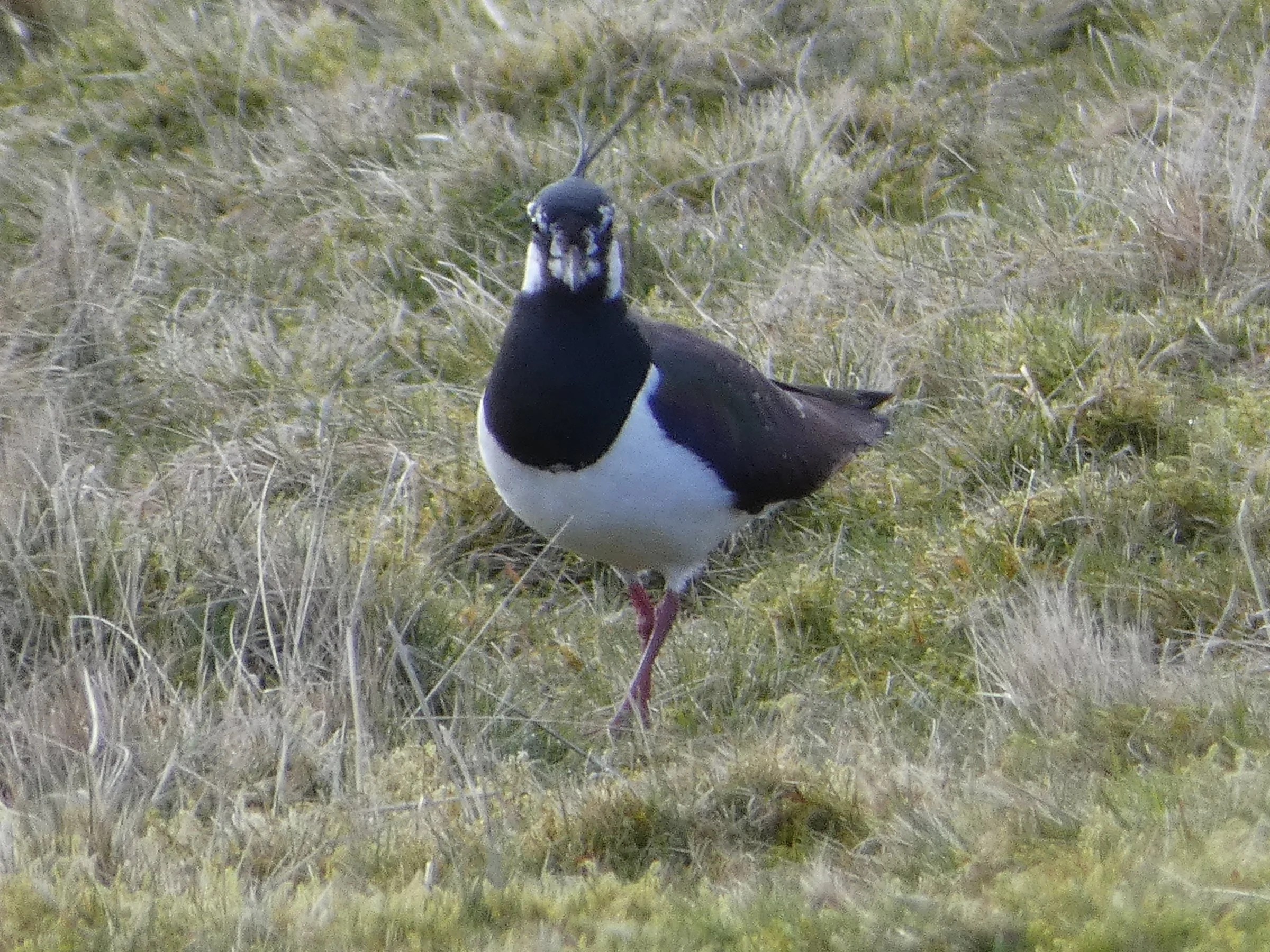
27 February 2026
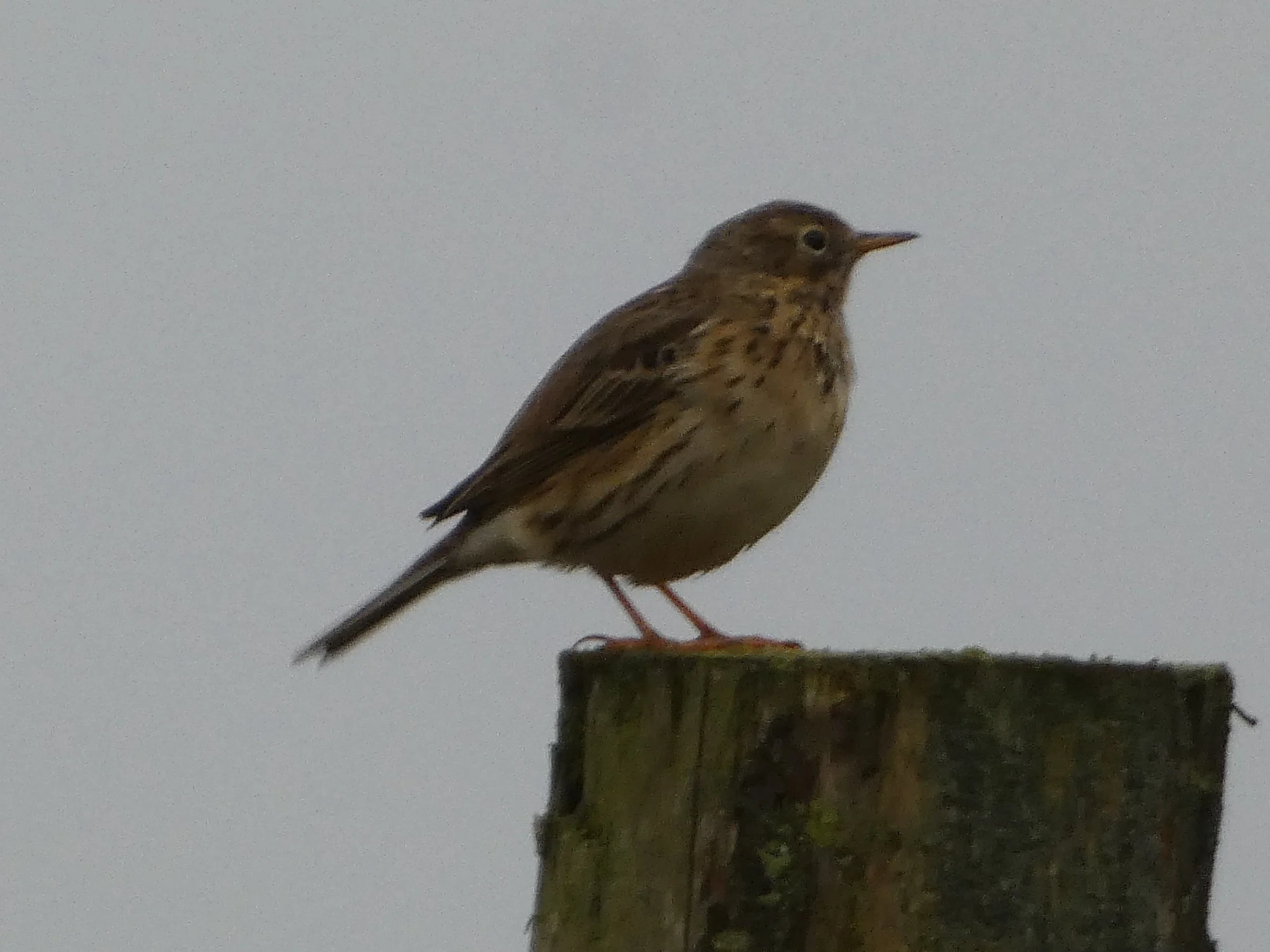
Lots of Meadow Pipits flitting around on the fringes of Walshaw Moor above Crimsworth Dean, the first Oystercatcher of the season, two Kestrels and four Golden Plovers.

24 February 2026
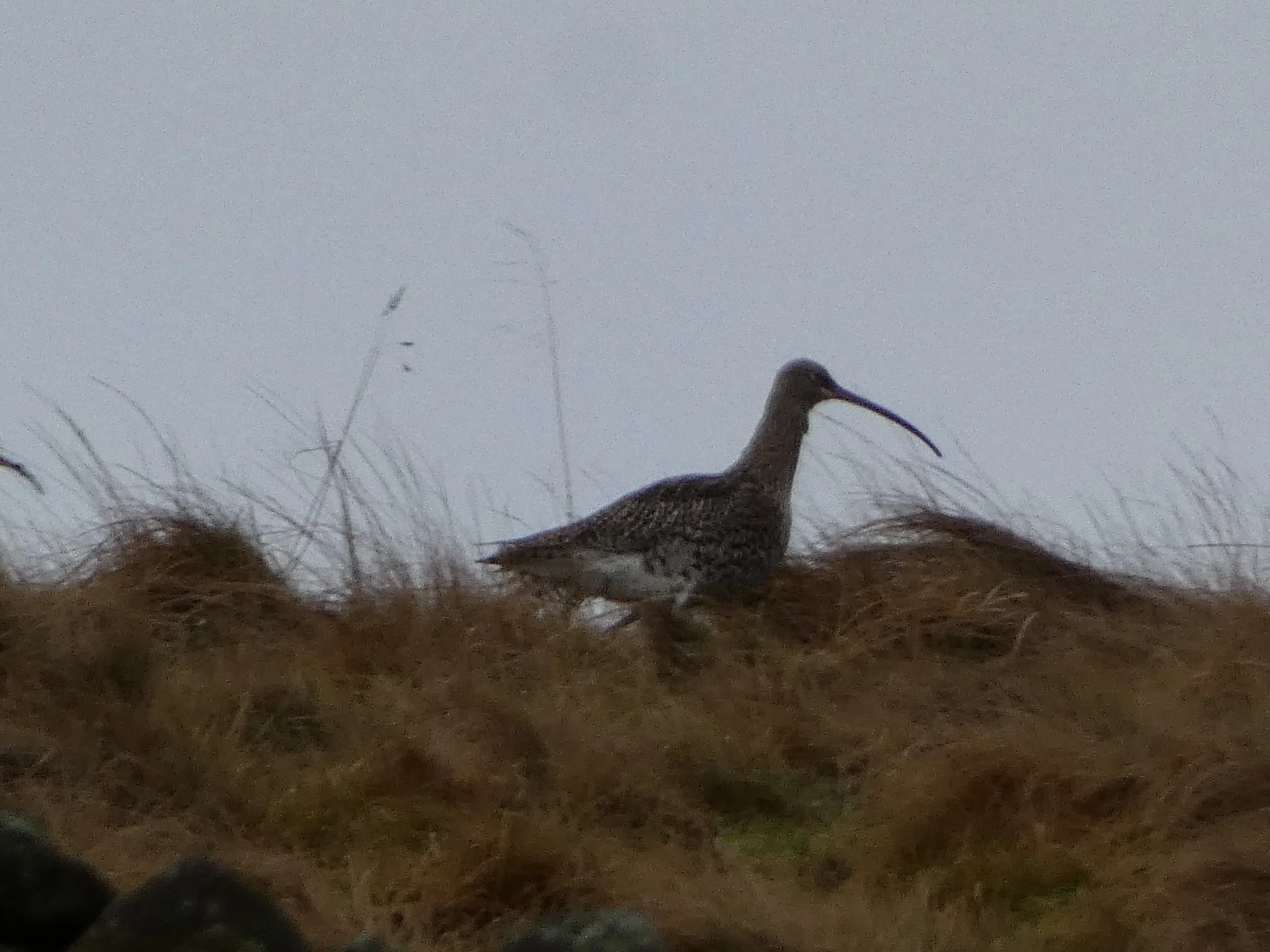
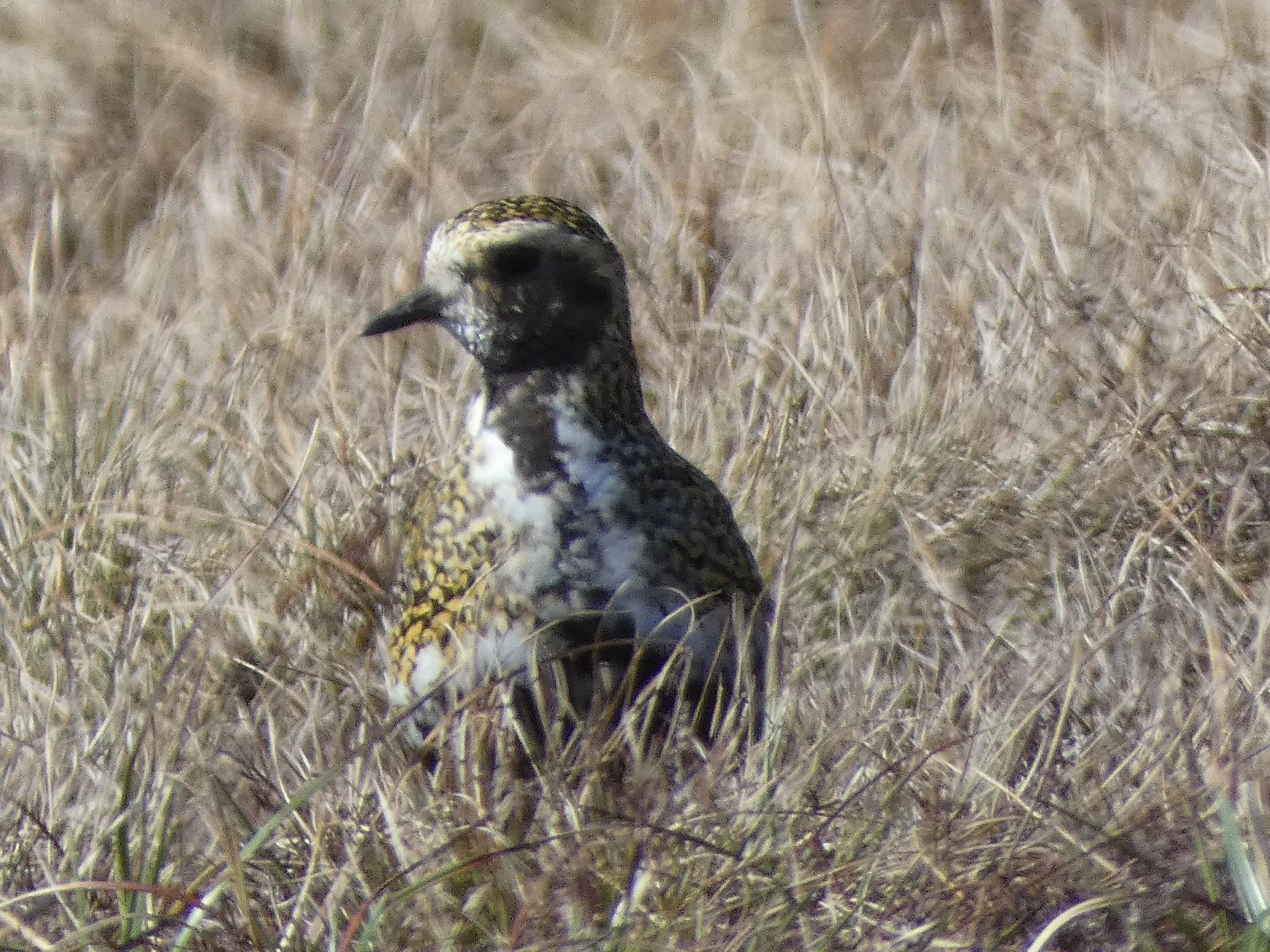
The Curlews have returned en masse to Crimsworth Dean. They nest on the fringes of Walshaw Moor at the head of the valley and can be seen on both sides of Stairs Lane (Haworth Old Road). On the top of the moor, there are Skylarks in abundance and Golden Plovers can also be heard.
21 February 2026
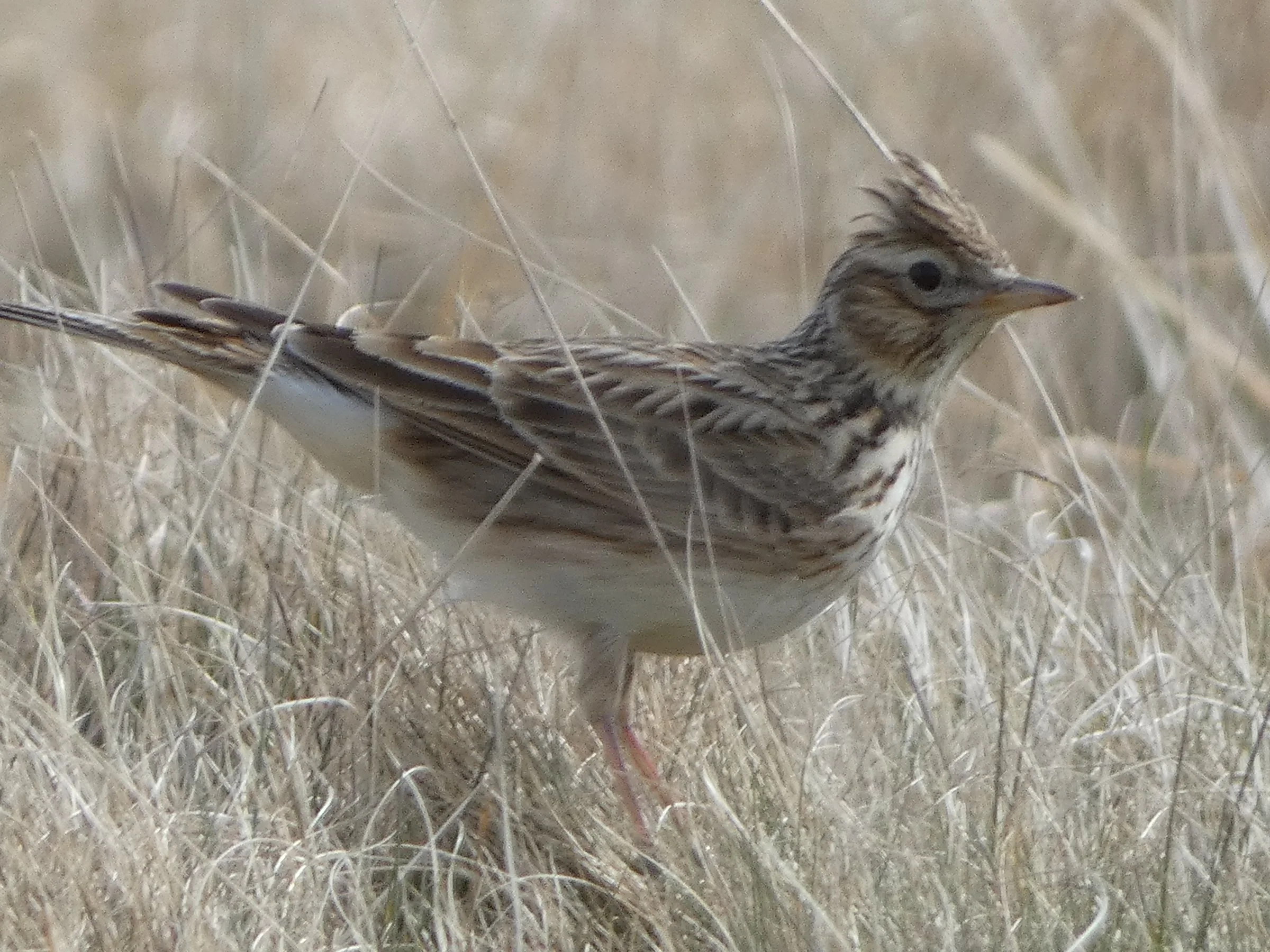
Skylarks singing on Shackleton Hill this morning. The Curlews are also returning to their favoured nesting site on Shackleton Moor. Five Curlews were spotted this morning, and a large flock of around 30 Lapwings flew overhead.
14 February 2026
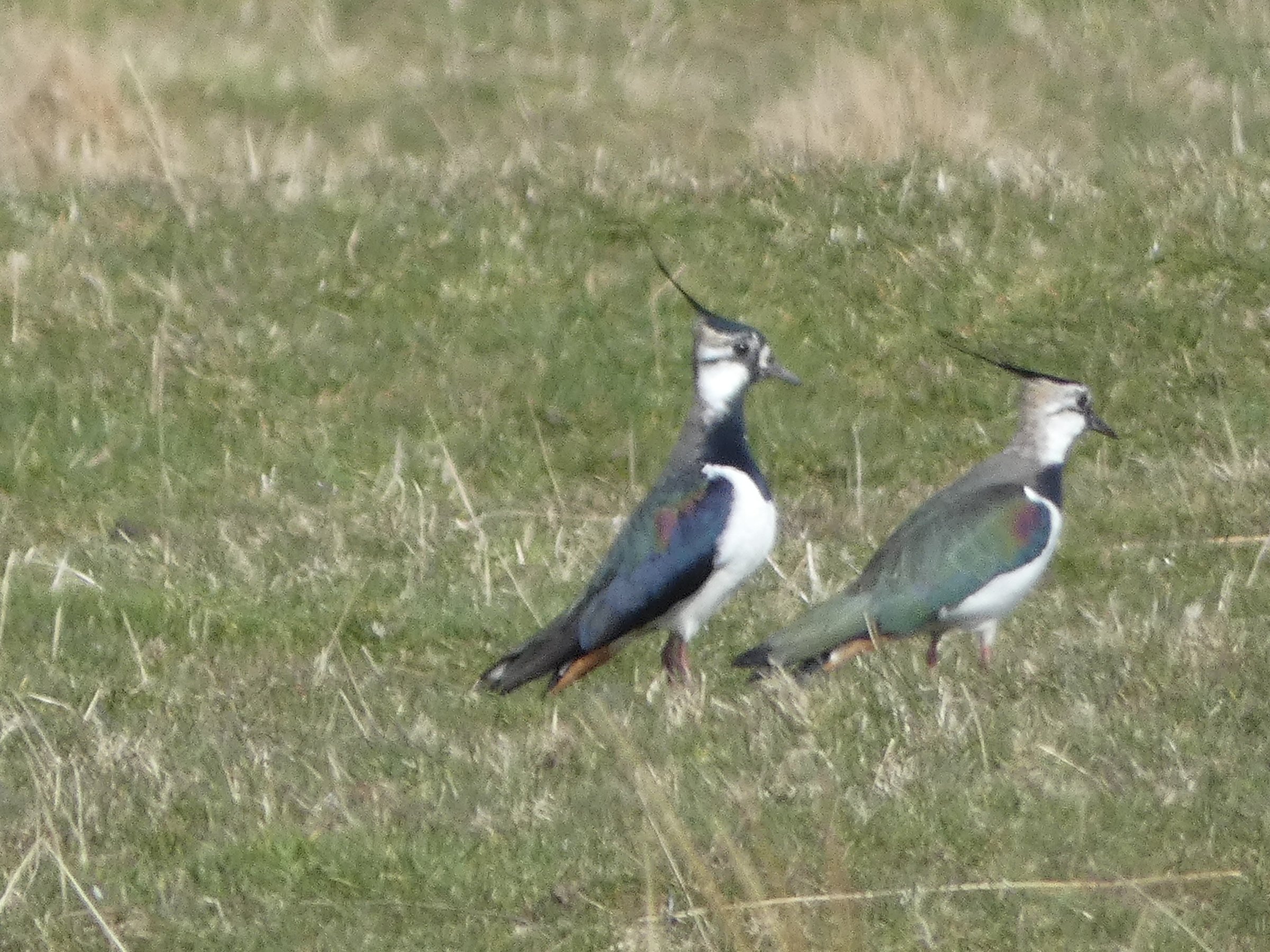
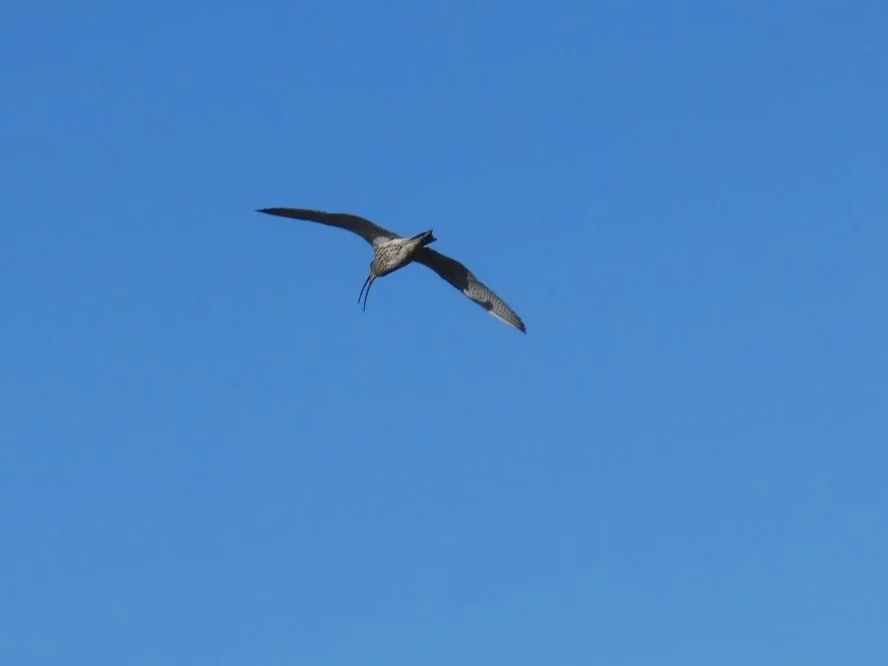
Valentine’s Day marked the return of Lapwings to breed in Walshaw Dean. Several Lapwings heard calling today on the moorland above Lower Walshaw Reservoir.
28 January 2026
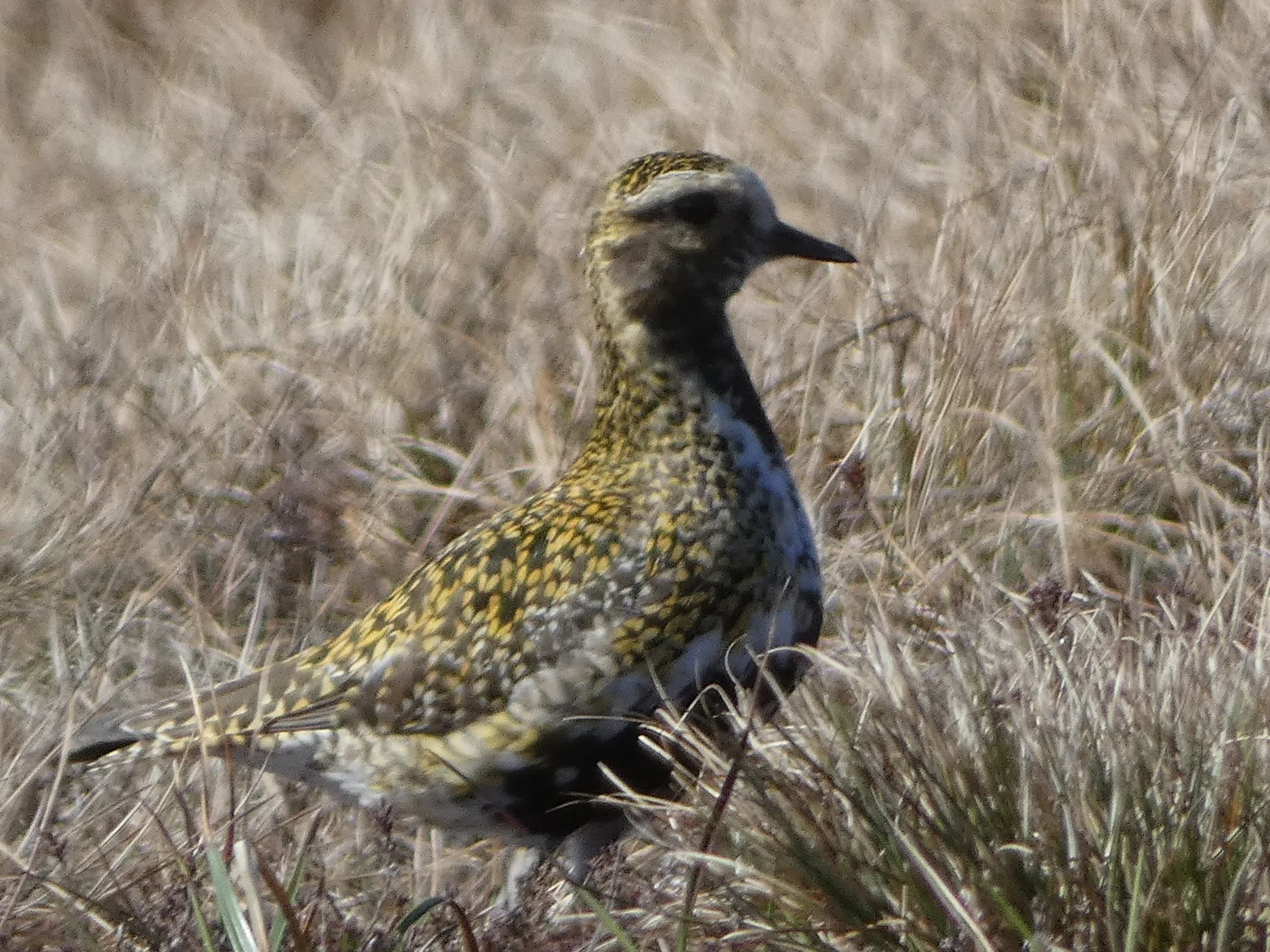
Golden Plovers are back on Wadsworth Moor. Group of 8 Golden Plovers spotted flying over the moor this morning.
Bird sightings on and around the Walshaw Moor Estate near Hebden Bridge, Calderdale, West Yorkshire 2024-26
Alphabetical List of Bird Species
Barn Owl
Bluetit
Buzzard
Canada Goose
Carrion Crow
Chaffinch
Coal Tit
Common Sandpiper
Cuckoo
Curlew
Dipper
Dunlin
Fieldfare
Goldcrest
Golden Plover
Goldfinch
Goosander
Great Spotted Woodpecker
Great Tit
Green Woodpecker
Grey Heron
Grey Wagtail
Greylag Goose
House Martin
Jackdaw
Kestrel
Lapwing
Linnet
Little Owl
Little Ringed Plover
Long-tailed Tit
Magpie
Mallard
Meadow Pipit
Merlin
Mistle Thrush
Northern Wheatear
Nuthatch
Oystercatcher
Pheasant
Pied Wagtail
Raven
Red Grouse
Red Kite
Redshank
Redstart
Redwing
Reed Bunting
Ring Ouzel
Robin
Rook
Sand Martin
Short-eared Owl
Siskin
Snipe
Snow Goose
Song Thrush
Sparrowhawk
Starling
Stonechat
Swallow
Tawny Owl
Treecreeper
Wren
The Walshaw Moor Estate near Hebden Bridge in Calderdale, West Yorkshire, is one of the most important breeding sites for ground-nesting birds in the UK, including large populations of Curlews, Lapwings, Golden Plovers and Skylarks, and significant numbers of Snipe, Oystercatchers, Northern Wheatear, Merlin and Short-Eared Owls.
As well as being a Site of Special Scientific Interest, Walshaw Moor has been designated as a Special Area of Conservation and a Special Protection Area in recognition of its international significance for ground-nesting birds and moorland raptors.
The Walshaw Moor Estate covers 9 square miles of moorland directly above the National Trust Estate of Hardcastle Crags, Crimsworth Dean, Haworth and Bronte Country. As well as Walshaw Moor itself, it also includes Walshaw Dean, Wadsworth Moor, Shackleton Moor and Widdop Moor.